New Delhi's much-touted "Goldilocks" moment for 2026 is turning sour. Prime Minister Narendra Modi's "Make in India" campaign, once a global brand, now faces mounting headwinds: a depreciating rupee, persistent fiscal deficits, and a manufacturing sector still deeply reliant on Chinese inputs. The narrative of India as the world's preferred alternative to China is being tested by hard economic realities.
Rupee slide and investor caution
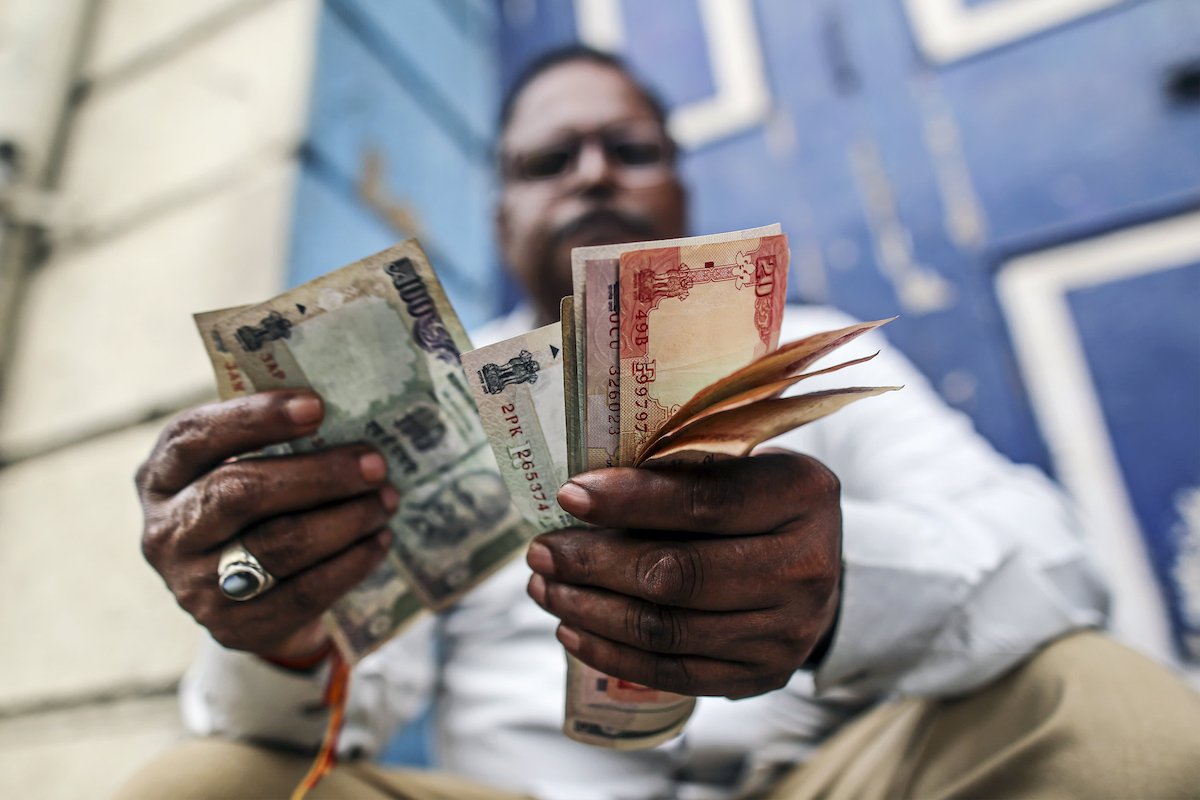
The rupee has been Asia's worst-performing currency for two consecutive years, falling another 6% in 2026. This weakness reflects India's vulnerability to higher oil prices, exacerbated by the Iran conflict, and a widening current-account deficit. Investors are also wary of lofty equity valuations and the government's opaque GDP revisions, which economists are still trying to decipher.
At a Bloomberg forum this week, Modi doubled down on his vision, portraying India as a trusted partner in a world where trade and technology have become geopolitical "choke points." He argued that trust is the defining issue of our age, and India brings a different mindset. Yet the market's verdict is less flattering.
The China dependency problem
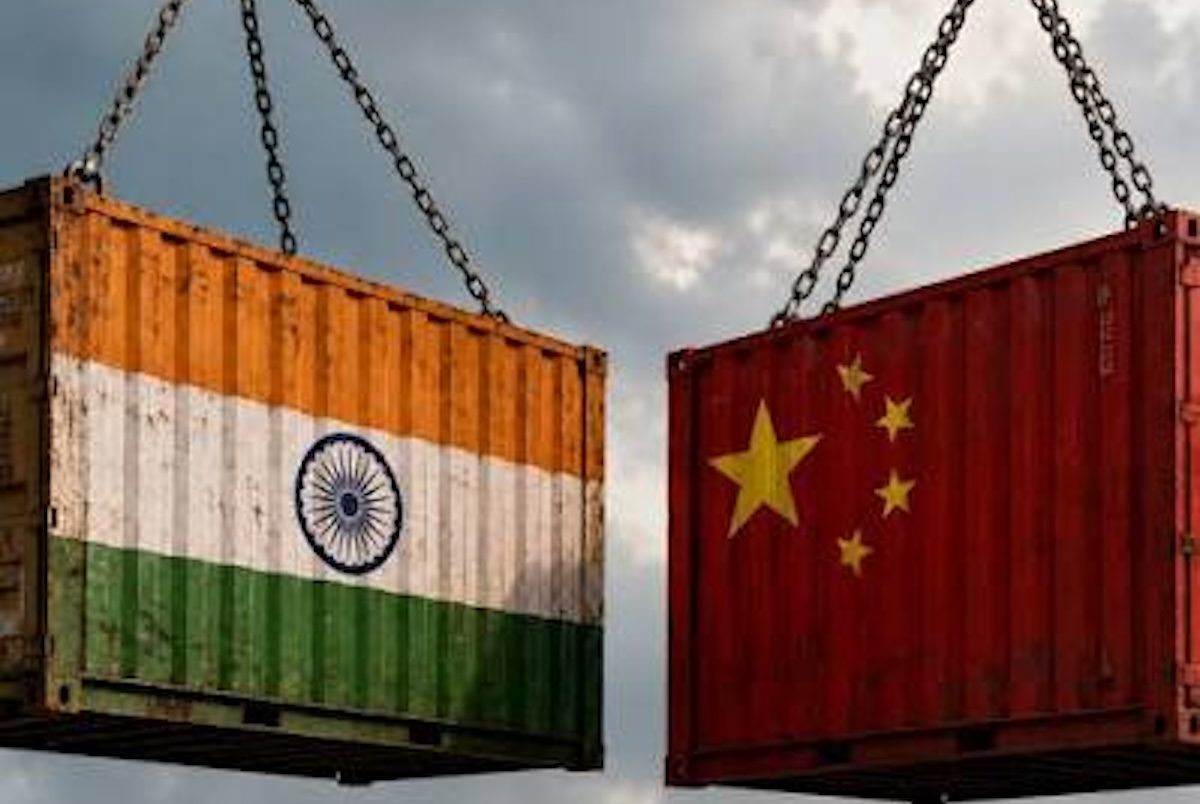
Beneath the surface, a deeper vulnerability persists: many of India's fastest-growing industries remain heavily dependent on China. In sectors like electronics, up to 85% of machinery and components originate from China. Lithium-ion batteries and solar equipment are emblematic—China supplied roughly $3.9 billion of India's lithium-ion battery imports in the fiscal year ending March 2026, and provides 85-90% of the rare-earth minerals and magnets Indian industry requires.
A recent study by Koan Advisory Group and the Institute of Chinese Studies found that India relies on China for more than 80% of critical inputs across 71 electronics product categories. The number of product lines with overwhelming Chinese dependence has risen from 44 in 2018-19. This is not a cyclical blip but a structural trade deficit, which reached $112.1 billion in fiscal 2025-26, with electrical machinery alone accounting for $43.1 billion.
China also supplies about half of India's semiconductor imports, creating a supply chain that depends not only on Beijing but also on access to American chip technology. This balancing act complicates India's ambitions in the AI age, as a BRICS open-source AI push might suggest, but for now, the dependency remains.
Tariffs won't fix it
Tariffs are not the solution. India's weakness lies in producing critical components, not assembling finished products. As long as upstream inputs come overwhelmingly from China, rising domestic output will do little to shrink the trade gap. Some analysts argue New Delhi should selectively allow Chinese manufacturers to build capacity within India, shifting from import dependence to locally embedded manufacturing. But there is little evidence of such a pivot.
Twelve years after its launch, "Make in India" remains far from its goals. Manufacturing still accounts for only about 17% of GDP, well short of the 25% target set in 2014. The timing is also poor: surging oil and fertilizer costs, tighter monetary policy, and a turbulent global economy are forcing the Reserve Bank of India into damage-control mode. Governor Sanjay Malhotra has spent much of the year defending the rupee rather than enabling growth.
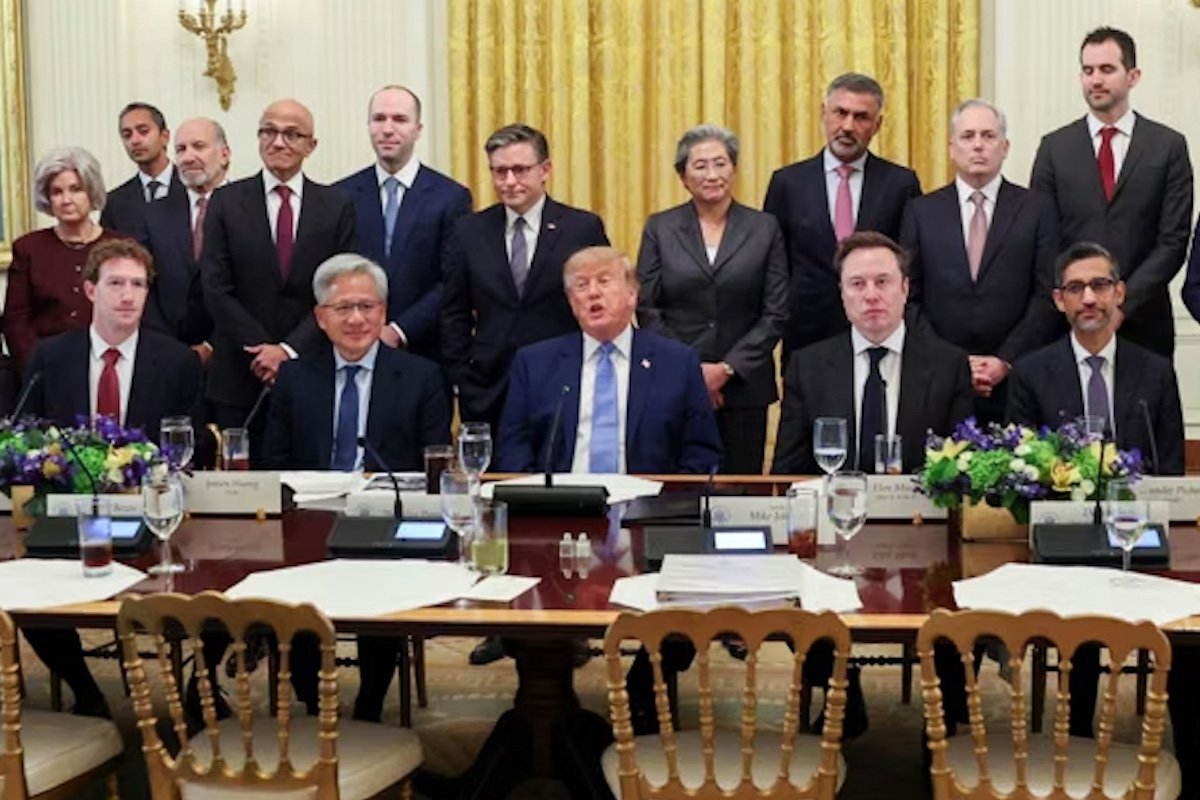
The RBI's aggressive intervention has drawn concern. Ritesh Bhansali, deputy CEO at Mecklai Financial Services, notes that the "sharp decline" in reserves is a cause for worry, and that intervention is "the only factor" keeping the rupee from deeper declines. Meanwhile, India's persistent export of talent adds another layer of vulnerability, as the superpower dream remains more slogan than strategy.
For Modi's team, the challenge is clear: accelerate localization of component manufacturing and expand support for critical-minerals development. But with the rupee under pressure and the global economy uncertain, the "Goldilocks" year is curdling, and India's economic narrative is losing its sheen.