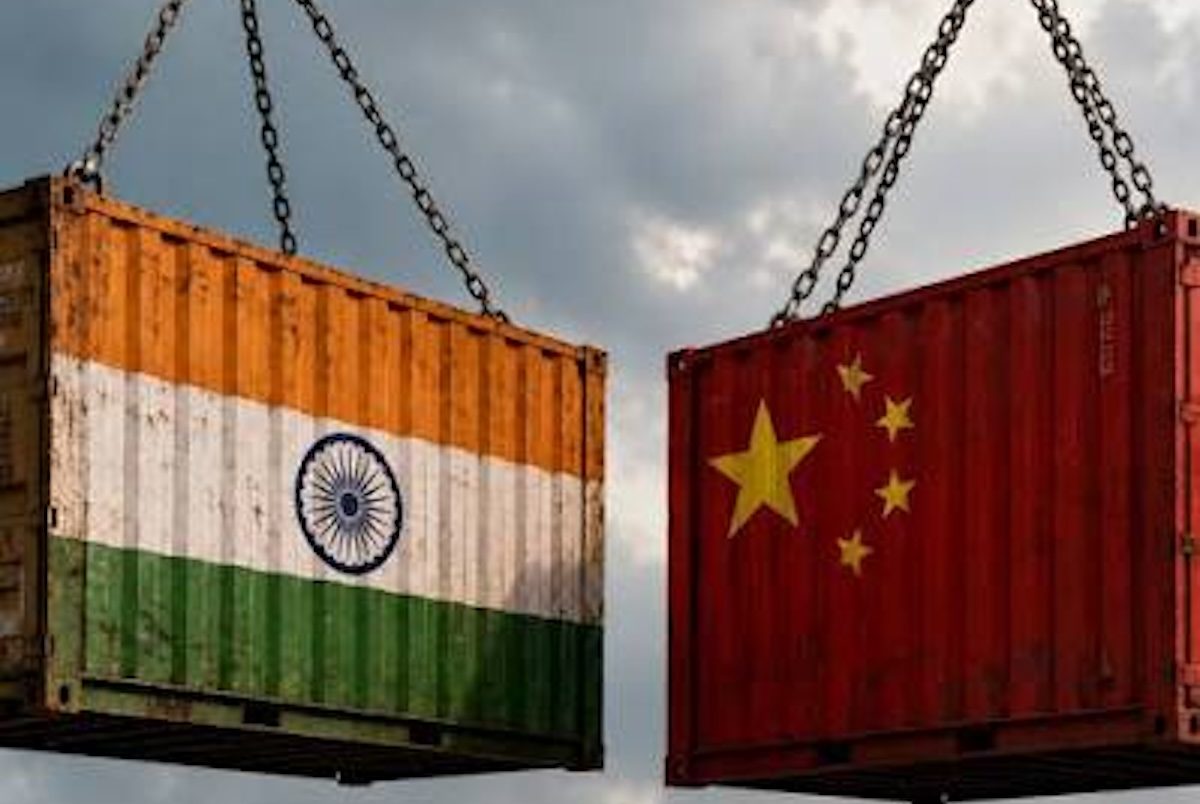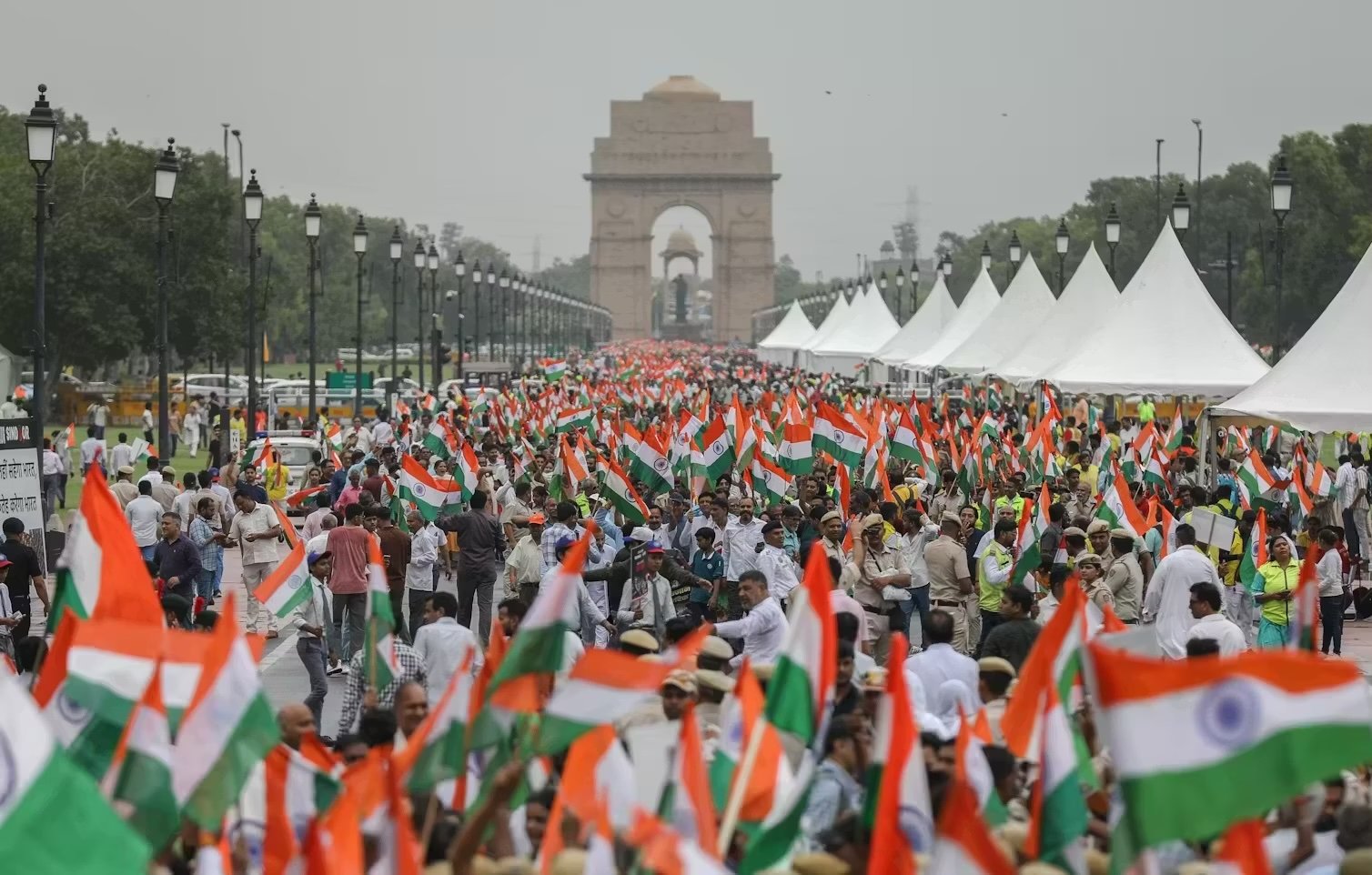
In a recent analysis, I noted that for the first time I am becoming bearish on China's continued economic and technological outperformance. Several readers asked whether I held a similar view on India. The answer is no — I am actually more bullish on India than I have been in years.
The reason for this divergence is that we are asking the two countries to do very different things. For China, the bar is set high: overtake the combined economies of the US and its allies, lead in artificial intelligence, reach Taiwan or South Korea's income levels, and dominate Asia. I am increasingly skeptical of China's ability to achieve all that. India's task is simpler: escape poverty and become an upper-middle-income country. And that, I believe, it can do.
Where India stands today
In both GDP per capita and the Human Development Index (which combines income with education and health), India is roughly where China was in the late 2000s. It is easy to forget that in that era, China was still widely seen as a developing country — cities choked with smog, rural areas mired in poverty, and an economy driven by cheap labor and lax environmental rules.
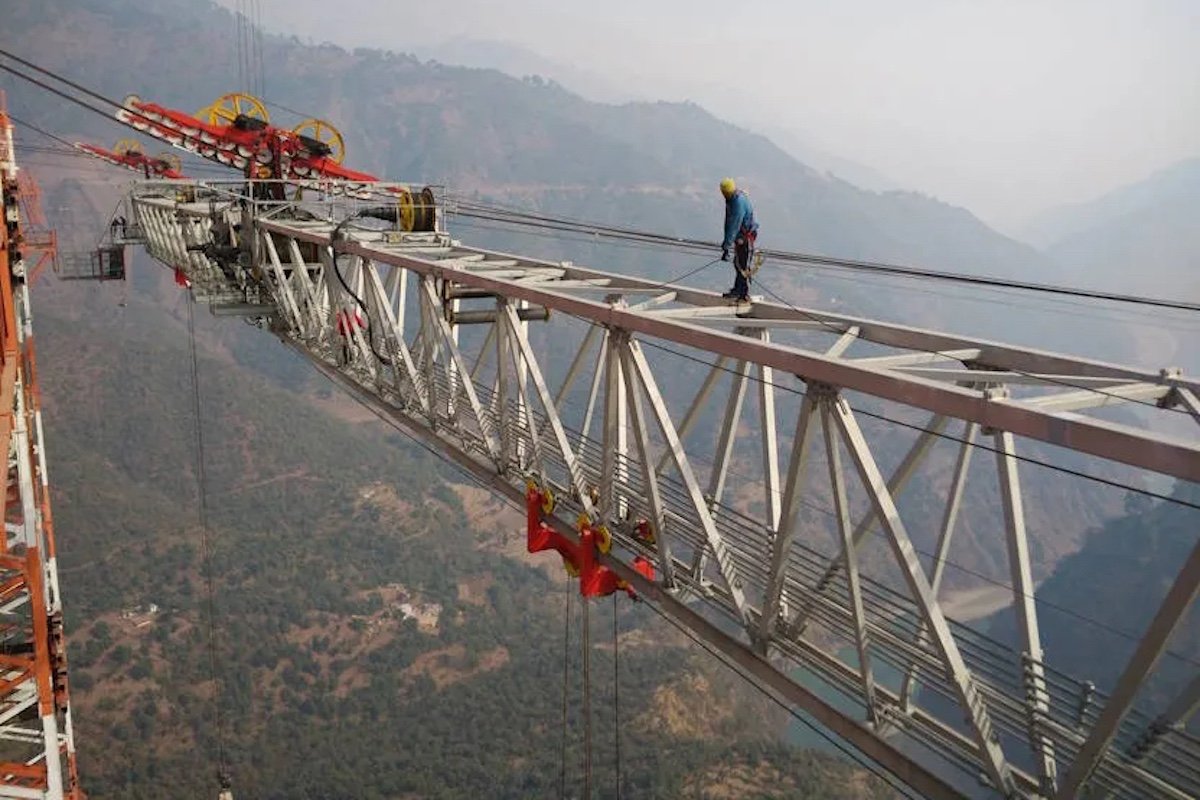
India's challenge now is to make the leap China made in the 2010s: build abundant high-quality roads, trains, housing, and energy; provide decent jobs and livelihoods to the majority of its people; and catch up to the technological frontier.
Many observers underestimate how strong a start India has made. Extreme poverty in India has mostly been conquered over the last two decades — an incredible achievement that has lifted a full tenth of humanity out of deprivation. Remarkably, unlike China, India managed this poverty reduction while also reducing inequality, according to World Bank data.
The World Bank attributes this progress to the usual suspects: economic growth and redistribution. Its report notes that India has recorded one of the fastest poverty declines in the world, driven by strong consumption growth, rising employment — especially among women — and expanded social transfers, including food subsidies.
A strong welfare state matters, but growth deserves the lion's share of the credit. Without growth, there is less to redistribute. And India's growth has been impressive: since the pandemic, it has consistently outpaced China. While India is not growing as fast as China did at a comparable income level — China was still expanding at near double-digit rates in the late 2000s and only slowed to India's current pace in 2014, when it was 40% richer — a 6.5% annual growth rate still means living standards nearly double every decade.
Bloomberg expects Indian growth to accelerate to 8% by the end of the decade. Neelkanth Mishra, executive director at the World Bank, points out that India's recovery from the pandemic recession is still incomplete, leaving ample room for acceleration.
This growth is already transforming Indian society. Arjun Ramani's in-depth report from travels across India shows how economic development is changing life on the ground. India is long past the point where a simple narrative suffices: manufacturing, finance, real estate, business services, IT, and many other sectors are all expanding simultaneously.
Reforms and prudent policy
The Economist credits liberalizing reforms and prudent macroeconomic policy. A fiscal consolidation program has cut the budget deficit from 9.2% of GDP in fiscal 2021 (inflated by pandemic spending) toward a target of 4.4% for fiscal 2026. Excluding interest payments, the deficit will be only around 0.9% of GDP. With inflation under control, interest rates have been cut by 1.25 percentage points over the past year.
Sonal Varma of Nomura notes that the decline in inflation is not limited to food. Earlier reforms — such as creating a digital-payments infrastructure that made prices more transparent, and the Reserve Bank of India's shift to inflation targeting in 2016 — have helped lower inflation expectations and are now paying off. The RBI has also built up its foreign-exchange reserves, and a banking sector cleanup plus bankruptcy code reforms have kept the financial system stable.
The longer-term outlook is even more promising. A long-mooted reduction in labour codes, from 29 to four, was enacted in November. The cap on foreign direct investment in insurance has been lifted, nuclear power has been opened to the private sector, and financial-market regulation has been overhauled. States have also pursued reforms, such as allowing women to work after dark, which enables textile and electronics factories to operate more efficiently.
India's trajectory is not without risks — infrastructure gaps, bureaucratic hurdles, and regional disparities remain. But the direction is clear. While China's ambitions may be hitting limits, India is quietly doing what matters most: lifting hundreds of millions out of poverty and building a middle-class society. For those watching the Indo-Pacific, India's rise is a story worth following closely.