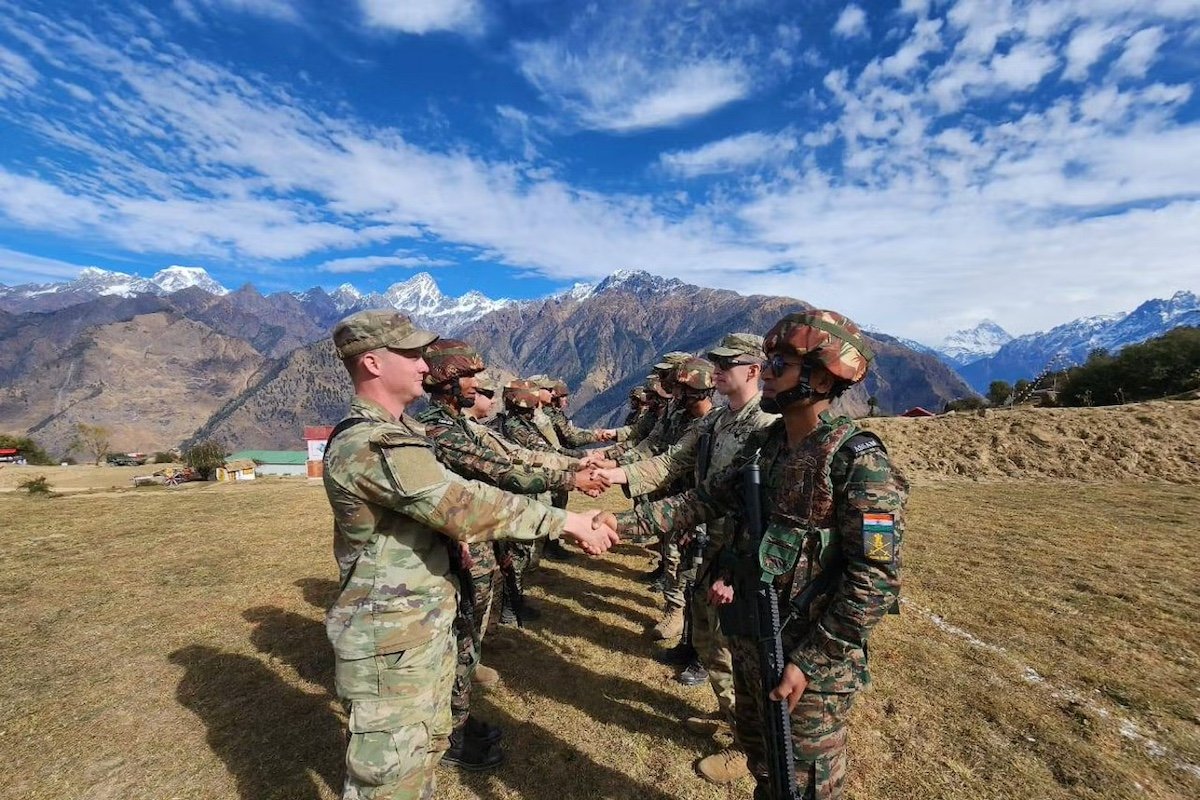
The Pentagon's quiet decision to restore the designation US Pacific Command (USPACOM), replacing the Indo-Pacific Command name adopted in 2018, has officially been framed as a historical adjustment rather than a strategic shift. According to the US Department of Defense, the command's area of responsibility remains unchanged, stretching from America's Pacific coastline to India's western border, while its mission and commitment to maintaining a 'free and open' region remain intact.
Yet the 2018 decision to rename Pacific Command as Indo-Pacific Command reflected a broader strategic vision that placed India at the center of Washington's approach to Asia, elevating it from a major regional power to a key pillar of the Indo-Pacific framework. Eight years later, the return to the Pacific Command designation raises an important question: Is Washington beginning to reassess some of the assumptions that shaped that strategy?
The India Assumption
The Indo-Pacific concept emerged as the US sought to respond to China's growing economic, technological and military influence. At the heart of that framework was the belief that India would play a leading role in preserving a balance of power favorable to the US across the region. The rationale made good strategic sense. India has a population exceeding 1.4 billion people, was the world's fourth-largest economy in 2025 and spends more than US$86 billion annually on defense. Its geographic location places it astride critical maritime routes connecting the Middle East, Africa and East Asia.
Washington invested heavily in this vision. Defense cooperation expanded dramatically, intelligence sharing deepened and military interoperability increased. The US and India signed a series of foundational defense agreements while bilateral defense trade grew from virtually zero in the early 2000s to more than $20 billion. Through mechanisms such as the Quad and joint exercises such as Malabar, India became increasingly integrated into American strategic planning.
Underlying all this was a broader assumption: that India would emerge not only as a counterweight to China but also as a stabilizing force in South Asia and a major contributor to wider Indo-Pacific security. The question today is not whether India has become more powerful, which it clearly has. Rather, it is whether the strategic expectations the US sought from India have been realized.
Outcomes Over Potential
To be sure, India's recent achievements are substantial. Few countries have expanded their international profile as rapidly over the past two decades. Yet regional leadership depends not only on economic growth and military spending but also on the ability to shape regional outcomes and manage security challenges.
It is here that India's record is mixed. The 2019 Balakot crisis demonstrated how rapidly tensions between India and Pakistan, both nuclear powers, could dangerously escalate despite enhanced international engagement with both countries. More recently, the May 2025 confrontation again required diplomatic intervention by outside powers to prevent further deterioration. These episodes do not diminish India's strategic importance. They do, however, highlight the limits of military and diplomatic coercion as instruments for managing the India-Pakistan relationship. The realities of nuclear deterrence have constrained escalation in recent clashes and limited the ability of India to impose unilateral outcomes on Pakistan.
For Washington, this matters because US policymakers under Trump increasingly seek partners capable of reducing America's strategic burdens. As strategic competition with China intensifies, the US has strong incentives to avoid becoming repeatedly drawn into regional crises that divert attention from its broader priorities. There are also signs that Washington is increasingly willing to evaluate India through a more transactional lens than was common during the early years of the Indo-Pacific framework. The contrast between Trump's first and second administrations underlines the point.
Trump's first term embraced the Indo-Pacific concept as a strategic vision in which India was positioned as a future counterweight to China. In this vision, strategic potential often received greater emphasis than immediate returns. Trump's second administration, however, is much more focused on measurable outcomes. Despite repeatedly describing India as an important strategic partner, Washington has maintained pressure on trade issues, pursued tariff disputes and approached economic negotiations through a framework emphasizing reciprocity rather than exceptional treatment. This suggests that geopolitical importance alone no longer guarantees preferential consideration in American policymaking. This does not necessarily downgrade India in America's vision. Rather, it suggests that Washington under Trump may be moving from strategic aspiration toward strategic performance as the principal standard of evaluation.
Pakistan's Rising Relevance
This US reassessment of regional realities has coincided with renewed acknowledgment of Pakistan's strategic significance. For much of the past decade, many analysts predicted that Pakistan's relevance would steadily decline as India's economic and diplomatic influence expanded. Yet geography and geopolitics continue to undercut those assumptions. Pakistan is home to approximately 250 million people and maintains one of the world's largest military establishments, with roughly 650,000 active personnel. It possesses a nuclear arsenal estimated at more than 170 warheads and occupies a strategic position connecting South Asia, Central Asia, Afghanistan and the Gulf.
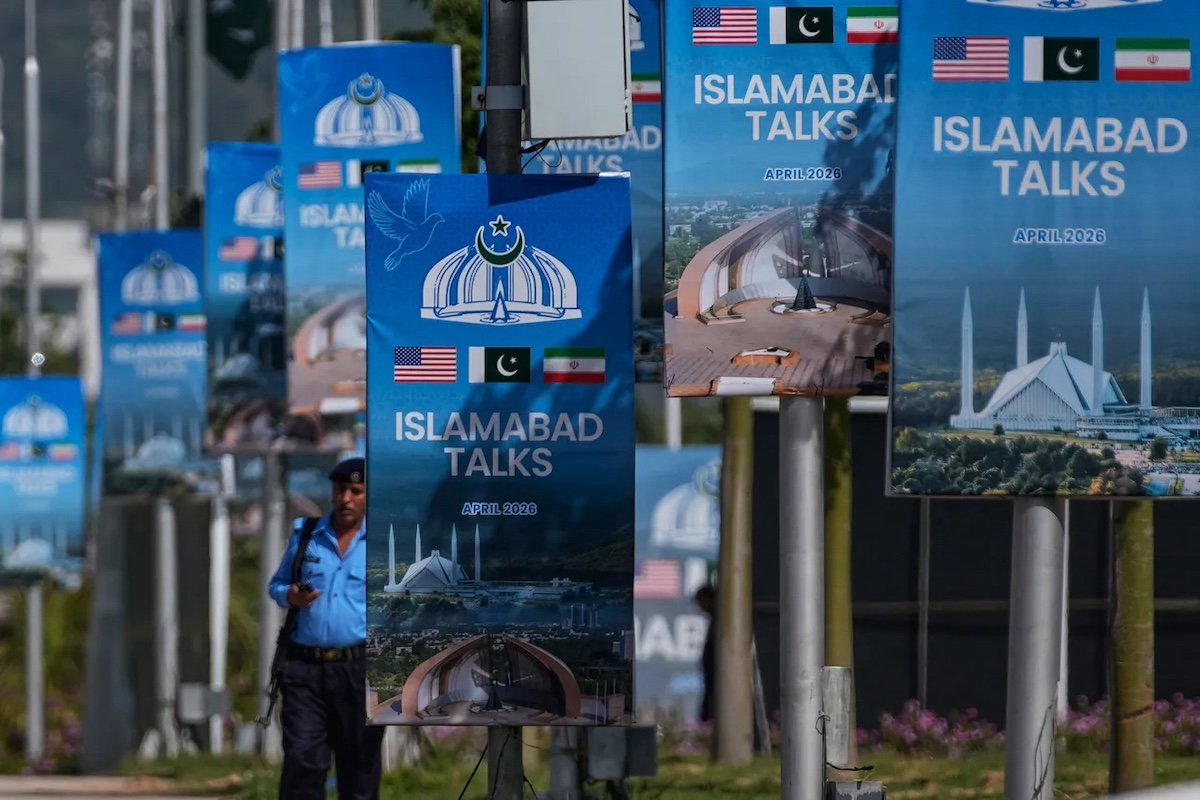
Recent events have reinforced that relevance. Pakistan's role in facilitating communication and diplomatic engagement between the US and Iran during their war has reinforced Islamabad's value as a regional interlocutor. That role reminded US policymakers that Pakistan remains a necessary partner for managing crises across multiple theaters. The name change, then, is not merely cosmetic. It reflects a Washington that is recalibrating its expectations of India and acknowledging that the Indo-Pacific framework may have overestimated New Delhi's ability to deliver on its strategic promise. For a deeper look at how the Pentagon's shift sharpens its focus on China, see Why Dropping 'Indo-Pacific' Sharpens the Pentagon's China Focus. Meanwhile, India's own connectivity efforts, as explored in India's Connectivity Strategy: From Autonomy to Geopolitical Resilience, show the country's ambitions, but the gap between potential and outcomes remains a concern for Washington.