In recent weeks, two contrasting perspectives on Indonesia have emerged among foreign investors. A seasoned business executive described the country as too large and stable to ignore, with opportunities still emerging across sectors. Yet an investor noted a rising number of queries from headquarters abroad—not about specific projects, but a more fundamental question: “Where is Indonesia heading?”
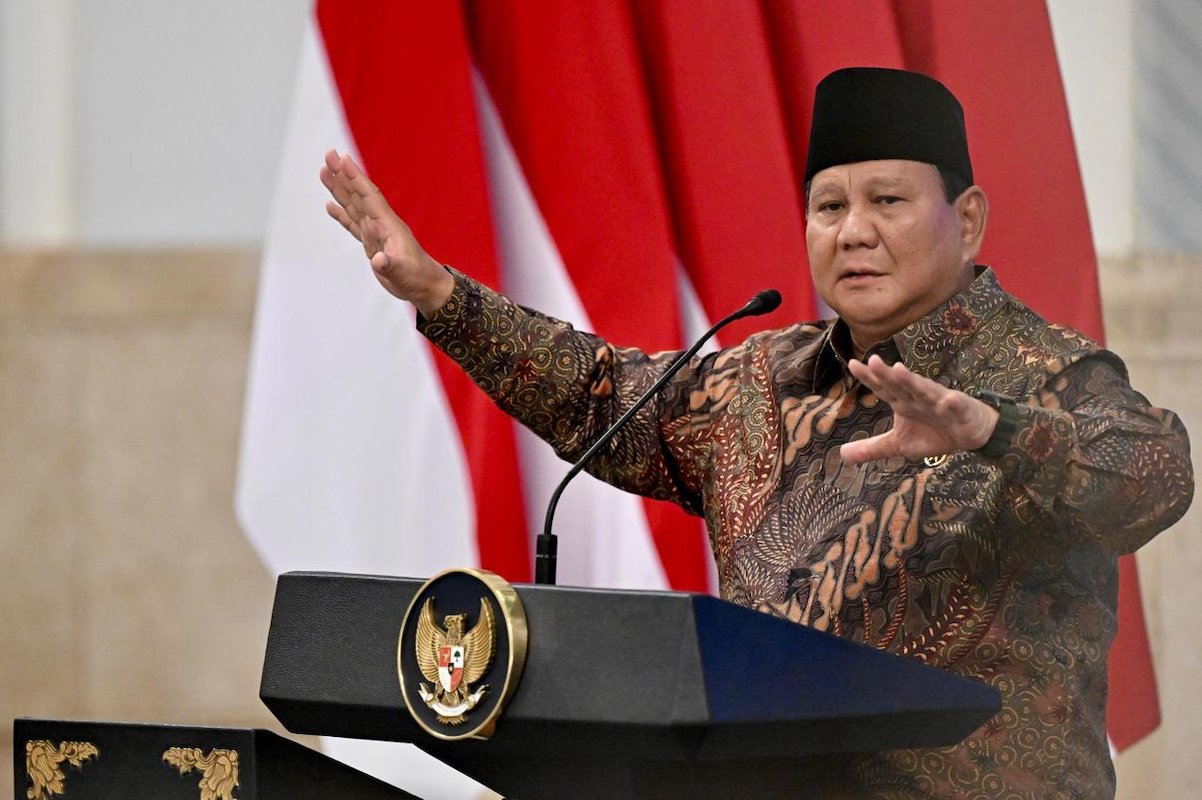
This split screen reflects the current mood in Jakarta, where President Prabowo Subianto has launched an ambitious economic agenda centered on the newly created state wealth fund, PT Danantara Investment Management. The fund received a Baa2 rating with a negative outlook from Moody’s, while S&P Global Ratings assigned a BBB long-term rating with a stable outlook. Both agencies linked Danantara’s credit profile closely to government support and Indonesia’s sovereign standing.
Yet the more telling development is not the ratings themselves, but the intense investor focus on Danantara. The fund has become a symbol of a broader shift: the Indonesian state’s effort to take a more active role in directing economic development, accelerating growth, capturing more value from natural resources, and mobilizing large-scale investment.
State-Led Ambition Meets Global Skepticism
Indonesia is not alone in pursuing industrial policy. The United States has its CHIPS and Science Act and Inflation Reduction Act. The European Union is focusing on green technology and supply-chain resilience. China has long used state-led industrial upgrading, and India deploys production-linked incentives. What sets Indonesia apart is the scale of Prabowo’s ambition: he aims to lift average growth well beyond the usual 5%.
From Jakarta, these initiatives appear as a logical push for faster development. From overseas, however, investors view them with a more skeptical lens. They are weighing not just whether growth targets are achievable, but where the boundaries lie between commercial decision-making and state direction, how fiscal risks are managed, whether institutions remain independent, and whether the rules of the game are predictable.
These concerns are not unique to Indonesia. They arise whenever governments expand their economic role. Credit ratings capture only part of the picture: they influence borrowing costs and risk perceptions, but they move slowly, waiting for durable trends. Investors, by contrast, monitor exchange rates, bond yields, capital flows, and policy announcements in real time, often pricing in risks before ratings adjust.
Recent capital flight suggests some investors are already pricing in a deterioration. The rupiah has fallen, equity markets have seen outflows, and questions about policy implementation and investor confidence are mounting. Yet by conventional measures, Indonesia’s macroeconomic fundamentals remain solid: public debt is moderate, the banking sector is well capitalized, and the domestic market, buoyed by favorable demographics, remains one of Asia’s largest.
The challenge for Prabowo’s government is managing confidence when the economy is fundamentally sound but the policy environment is evolving. Danantara sits at the center of this tension. Supporters see a fund that can mobilize capital and coordinate investment to achieve long-elusive economic ambitions. Critics worry about governance, transparency, and the risk that commercial decisions become subordinated to political priorities.
The reality likely lies somewhere in between. Danantara could become an important development instrument, or it could face the same governance questions that have plagued state-linked investment vehicles elsewhere—most notably neighboring Malaysia’s 1MDB scandal. The outcome will depend less on stated ambitions than on how the fund operates over time: transparency, clear rules, credible financial reporting, and a visible separation between development objectives and commercial discipline are essential to maintaining investor confidence.
Ultimately, investors are not asking whether Indonesia should pursue higher growth. They are asking whether the institutions and rules that underpin that growth can be trusted. For Prabowo, the answer will be shaped by how Danantara—and the broader policy environment—evolves in the months ahead.
Related coverage: Indonesia's Self-Inflicted Crisis: Bad Timing for a Dangerous Gamble and China Risks Reputational Damage by Backing Prabowo's Tainted Meal Program.