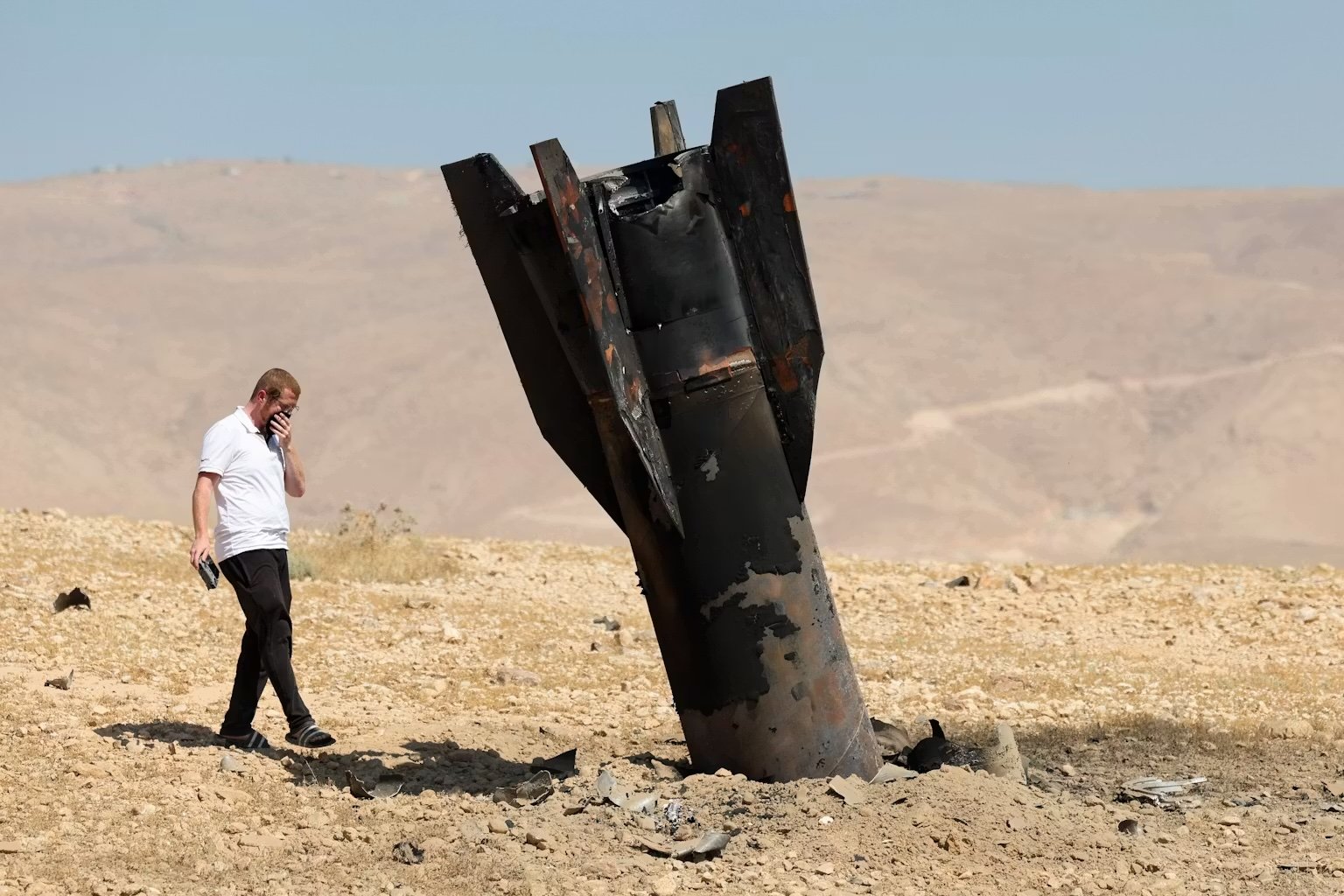
On June 7, Iran fired barrages of missiles at Israel for the first time in two months, escalating a conflict that has reshaped the Middle East's geopolitical landscape. The immediate trigger was an Israeli strike against a Hezbollah target in the Lebanese capital of Beirut earlier that day—an operation that former US President Donald Trump had reportedly urged Israeli Prime Minister Benjamin Netanyahu to avoid.
Israel's military quickly retaliated with strikes on targets in western and central Iran, again defying Trump's calls for restraint. Iran then launched fresh attacks of its own before announcing a halt, warning that it would deliver a "more severe" response if Israeli operations in Lebanon continued. This cycle of violence, however, is not merely a tactical exchange; it represents a strategic bid by Tehran to impose a new set of rules on the region.
Iran's New Regional Order: Four Pillars
The first feature of this emerging order is Iran's attempt to dictate the boundaries of Israeli and US military action. Six months ago, Israel could operate freely in Lebanon without Iranian intervention. Now, emboldened by the ongoing war and perceived US reluctance to escalate, Tehran is seeking to limit Israeli operations on Israel's own borders. This principle extends to the Strait of Hormuz, where Iran has established a chokehold since late February, signaling that it can tighten its grip on global energy flows unless its demands are met.
A second aspect is Iran's expanding toolkit for inflicting pain on its adversaries. Tehran has demonstrated it can rain missiles on Israel, strike infrastructure across Gulf states, kill American soldiers, and choke the global economy of oil—all without facing a credible threat of regime change. Iran retains additional cards, including targeting energy and desalination plants across the Gulf and activating Houthi forces to block Red Sea shipping. The Houthis have already announced a ban on Israeli shipping in the Red Sea following the latest escalation.
The third feature is the fraying of US-Israeli coordination. Trump responded to Iran's attack by emphasizing restraint, stating publicly, "I am going to call Bibi right now and tell him not to retaliate." This marks a stark departure from the close alignment seen just six months ago. While the US has not yet threatened to withhold missile interceptor defenses, the strain is evident. Sustaining further conflict would be difficult for Israel without American logistical and intelligence support, especially if the northern front against Hezbollah remains active.
Finally, the new order makes peace seem increasingly unattainable. Netanyahu cannot accept an Iranian veto over Israeli actions in Lebanon, nor can he absorb the deterrence damage of leaving Iranian attacks unanswered. Trump cannot pursue his desired peace deal with Iran while Israel bombs Lebanon. And Iran has every incentive to keep pushing, inflicting more costs on its opponents with few consequences.
This dynamic echoes broader trends in the Indo-Pacific, where cost asymmetry and shifting alliances are reshaping warfare, as explored in The $20,000 Drone vs. the Superpower: Cost Asymmetry Reshapes Warfare. The US-Iran confrontation also risks derailing fragile ceasefires, as noted in US-Iran Airstrikes Risk Derailing Fragile Ceasefire as Regional Conflicts Deepen. Meanwhile, Israel's military expansion undermines peace plans, detailed in Israel's Military Expansion Undermines Gaza Peace Plan.
For now, Iran appears to be succeeding in reshaping the region on its own terms. The US and Israel have yet to mount a coherent response, and Tehran's calculus suggests it will continue to test the limits of this new order. Whether this strategy leads to a broader conflagration or a grudging acceptance of Iran's role remains the defining question for the Middle East—and for the wider Indo-Pacific, where the ripple effects of this conflict are already being felt.