The ongoing US and Israeli military campaign against Iran has global repercussions, including across the Indo-Pacific. For Taiwan, the immediate question is not whether the conflict directly threatens the island, but how it reshapes the strategic calculations of both Washington and Beijing.
Two critical issues emerge. First, does the willingness to strike Iran signal a greater or lesser likelihood that the United States would intervene to defend Taiwan? Second, does the conflict encourage China to accelerate its own plans for a cross-Strait attack?
US Aggression in Iran Does Not Guarantee a Taiwan Commitment
Critics of the US campaign argue it was overly aggressive—launched without sufficient diplomatic effort, without clear allied consensus, and without full appreciation of Iran's capacity for retaliation. Yet for Taipei, the more pressing concern is whether Washington is aggressive enough to commit forces to a Taiwan contingency, rather than staying out.
Many analysts, including Temple University Tokyo campus professor Robert Dujarric, former US National Security Advisor John Bolton, and The Guardian's Simon Tisdall, have characterized President Trump's foreign policy as isolationist. They argue that Trump prioritizes avoiding war in Asia over preventing a Chinese takeover of Taiwan. However, the Iran campaign demonstrates that this administration is willing to deploy large-scale military force far from the Western Hemisphere—a fact that complicates any assumption of US passivity.
China, of course, is a far more formidable adversary than Iran. A willingness to bomb Tehran does not equate to a willingness to fight Beijing. But the operation shows that the US president does not categorically rule out major overseas combat.
China's Cautious-Aggressive Posture and the Iran Lesson
Beijing's approach to Taiwan can be described as cautious-aggressive: probing first, advancing only if resistance is light. This follows the maxim often attributed to Stalin or Lenin: “If you hit mush, keep going; if you hit steel, pull back.”
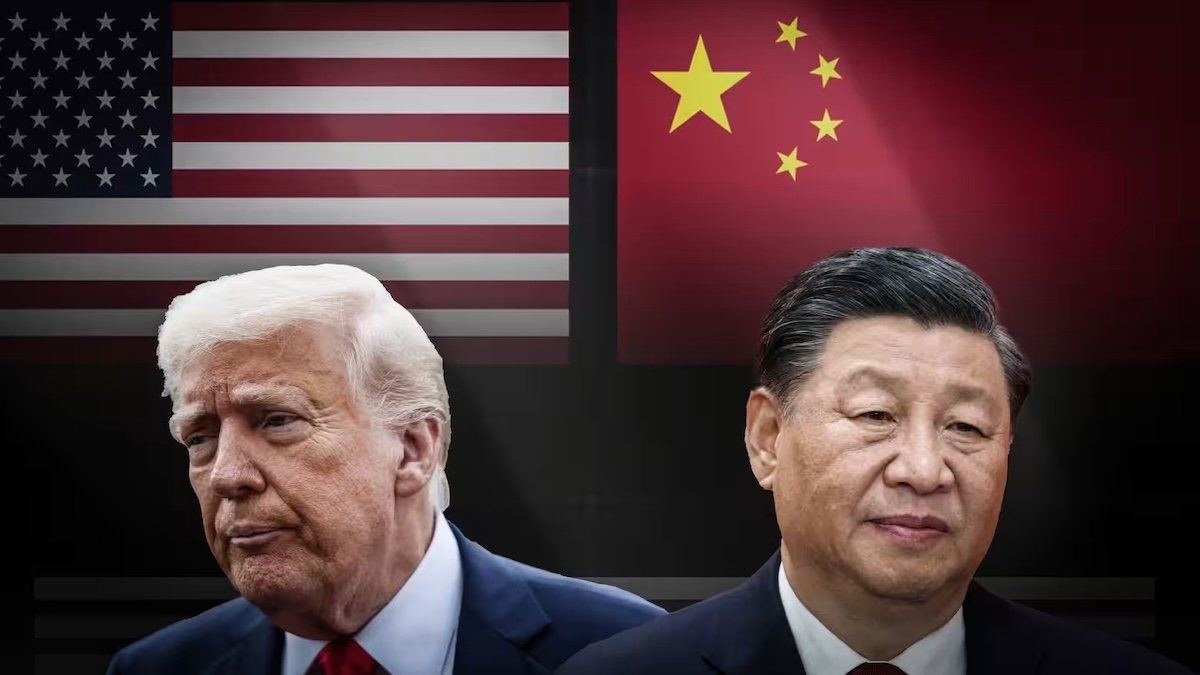
From Beijing's perspective, Trump's actions—the 2020 strike on Quds Force commander Qasem Soleimani, the abduction of Venezuela's president, the blockade of Cuba's oil, the bombardment of Iran, and even discussions about seizing Greenland—are strikingly bold. These moves make it difficult for Chinese strategists to confidently conclude that the US would not intervene militarily in defense of Taiwan.
Some commentators argue that America's “might is right” approach could be interpreted as a green light for Xi Jinping to launch a war of conquest. This view is mistaken. Beijing does not calibrate its policies based on US normative standards. China's 2005 Anti-Secession Law already formalizes the threat of force. The decision to attack Taiwan rests on Beijing's own strategic assessment, not on a reaction to US behavior elsewhere.
Operational Competence and Deterrent Value
Chinese state media and officials criticized the US campaign as lawless and brutal, but behind the rhetoric, there was recognition of American operational excellence. Chinese foreign affairs analyst Zheng Yongnian concluded the US is “still number one.” Another analyst, Niu Tanqin, said he “cannot but admire” the performance. International relations scholar Shi Yinhong revealed that the tactical success “strongly impressed the leaders here.”
The demonstration of well-orchestrated lethality has deterrent value. Chinese-supplied air defense systems performed poorly in both Venezuela and Iran, serving as an instructive reminder of US military superiority.
Diversion of Assets and the Window of Opportunity
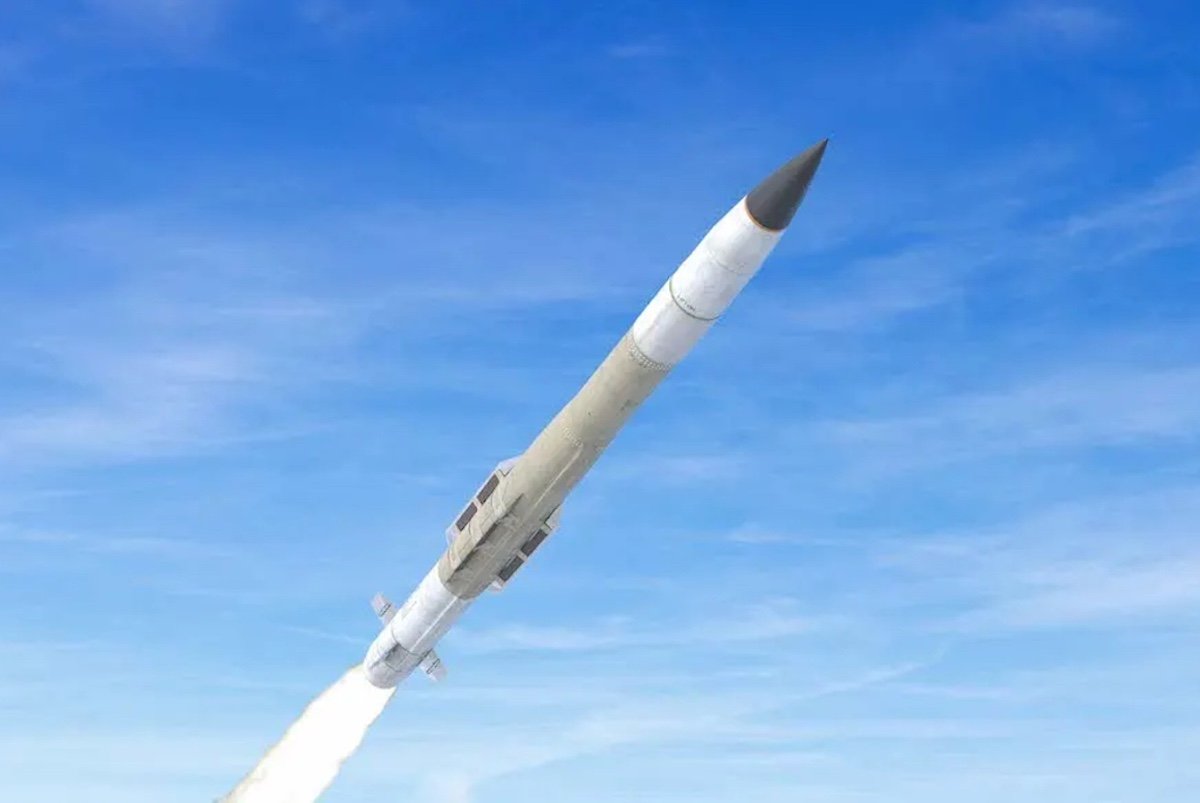
On the other hand, the Iran campaign has diverted significant US military resources from the Indo-Pacific. Assets moved to the Middle East include Patriot interceptors, THAAD tubes, the USS Abraham Lincoln carrier strike group, two additional destroyers, and two Marine expeditionary units. The US has also expended 850 to 1,000 Tomahawk cruise missiles—weapons that would be critical in a Pacific conflict. Replacing them will take two to three years at a cost of about $3.5 million each.
US officials insist the Iran war has not worsened pre-existing delays in delivering weapons to Taiwan. However, the depletion of precision munitions and the temporary shift of naval and air assets create what some observers call a window of opportunity for China. This argument is strongest if one assumes Xi has already decided to forcibly annex Taiwan when conditions appear favorable.
But that assumption underestimates the massive risks and downsides. A cross-Strait war would entail enormous economic disruption, potential casualties, and the risk of escalation with the US. China's leadership is acutely aware that even a weakened US military remains the world's most capable force.
For now, the Iran war does not immediately jeopardize Taiwan. It does, however, sharpen the strategic choices for both Washington and Beijing. The US must balance its global commitments without undermining deterrence in the Indo-Pacific. China must weigh the lessons of American competence against the temptations of a temporary advantage. The outcome will shape the security of the region for years to come.