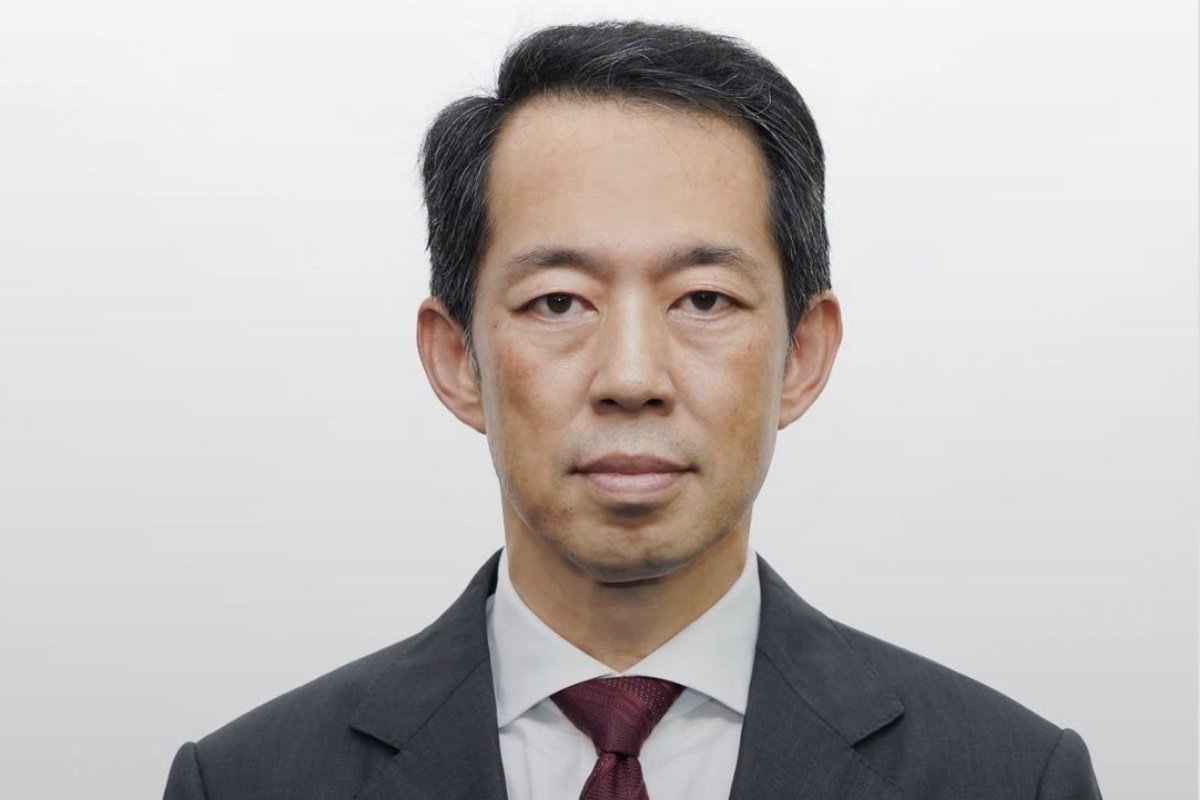
When Kitagawa Katsuro presents his credentials in Manila later this year, he will step into one of the most delicate diplomatic balancing acts in the Indo-Pacific. The veteran Japanese diplomat arrives as the Philippines and Japan celebrate 70 years of normalized relations, elevate their partnership to a Comprehensive Strategic Partnership, and confront rising tensions in the West Philippine Sea.
Kitagawa is no ordinary envoy. With over three decades at Japan's Ministry of Foreign Affairs, he has worked on security policy, nuclear nonproliferation, European affairs, and relations with South Korea—assignments that placed him at the heart of East Asia's most sensitive security challenges. His posting signals that Tokyo views Manila as a cornerstone of its broader strategic role in the region.
From economic ties to strategic partnership
The transformation of Philippine-Japan relations has been remarkable. Once anchored in trade, investment, and development assistance, the bilateral agenda now includes defense cooperation, maritime security, and regional stability. The Reciprocal Access Agreement, signed in 2023, and expanding military and coast guard collaboration illustrate how profoundly the relationship has evolved.
For Manila, Japan has become an indispensable security partner. Tokyo has supplied coast guard vessels, surveillance equipment, and capacity-building programs, helping modernize Philippine maritime capabilities. These efforts complement Manila's broader defense modernization, which also involves the United States and Australia.
Unlike many security relationships in the region, the Philippines-Japan partnership enjoys broad domestic support in both countries. Deep economic and people-to-people ties—including a large Filipino diaspora in Japan and significant Japanese investment in the Philippines—provide a sturdy foundation.
Beijing's wary eye
Yet Kitagawa's arrival also highlights the strategic choices facing Manila. From Beijing's perspective, the deepening of Philippines-Japan security cooperation—alongside joint exercises with the United States and intelligence-sharing arrangements—looks like part of a broader effort to constrain China's regional influence. Whether that perception is accurate is almost beside the point; in international politics, perceptions often shape behavior as much as reality does.
Closer Philippines-Japan ties could therefore fuel Chinese suspicion, leading to more assertive behavior in disputed waters and heightened tensions in the West Philippine Sea. This is the first of several risks Manila must manage.
Strategic entrapment and over-securitization
The second risk is strategic entrapment. Japan's security concerns extend far beyond the South China Sea to the East China Sea, North Korea, and the Taiwan Strait. As Manila deepens defense ties with Tokyo, pressure could build for greater policy coordination on these broader issues. The Philippines benefits from closer ties, but policymakers must ensure that cooperation does not create expectations of automatic involvement in regional contingencies beyond Manila's immediate priorities. A sovereign foreign policy requires strategic flexibility.
The third risk is the over-securitization of Philippine-China relations. Security cooperation is vital, particularly amid persistent tensions in the West Philippine Sea, but it should not become the sole lens through which Manila views Beijing. China remains an important economic partner, with trade, investment, tourism, and educational exchange forming a complex web of interdependence. Excessive reliance on military frameworks could narrow opportunities for diplomatic engagement and confidence-building. Deterrence and dialogue should proceed simultaneously.
Dependence and regional polarization
The fourth risk is excessive dependence on external partners. The Philippines understandably welcomes Japan's security assistance, which contributes significantly to maritime capacity-building. But no external partner can replace the need for indigenous capability. The long-term foundation of Philippine security lies in a modern navy, a capable air force, a professional coast guard, improved maritime domain awareness, and stronger defense institutions. Foreign partnerships should complement national capabilities, not substitute for them.
The fifth risk is regional polarization. ASEAN has traditionally sought to maintain strategic equilibrium amid major-power competition. As security partnerships multiply across the Indo-Pacific, concerns may grow over the formation of competing geopolitical blocs. The Philippines must carefully balance its expanding security relationships with its commitment to ASEAN centrality and regional inclusivity.
In many respects, Kitagawa's tenure will test whether the Philippines can successfully pursue what might be called strategic diversification—stronger ties with Japan, the United States, Australia, and other like-minded countries, while maintaining open communication channels with Beijing. This approach echoes the broader regional trend of hedging, as seen in Indonesia's own delicate negotiations with China.
Ultimately, Kitagawa's arrival reflects the emergence of the Philippines and Japan as key strategic partners in shaping the Indo-Pacific's future. The success of their partnership will not be measured solely by the number of military exercises conducted or defense agreements signed, but by whether stronger cooperation advances regional stability, protects national interests, and reduces the risk of conflict. For the Philippines, the challenge is to strengthen security ties with Japan without trading one form of dependence for another.