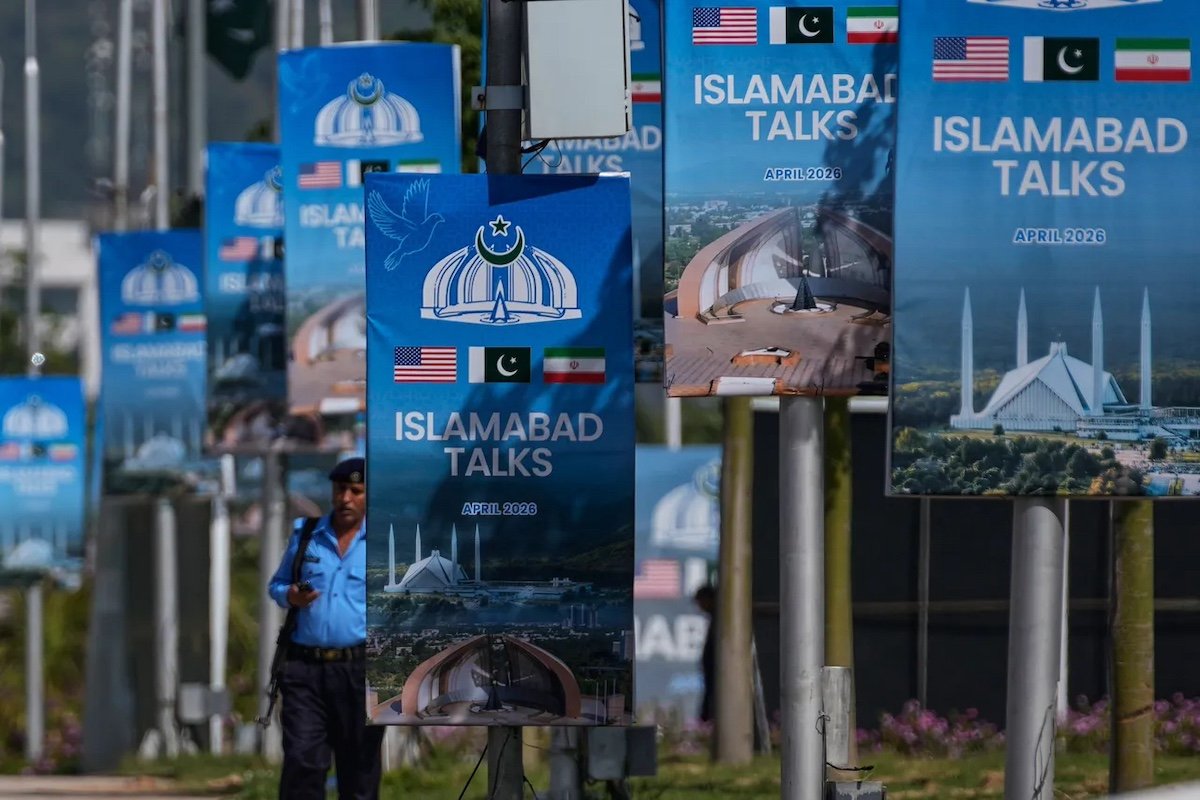
The recent summit in Shenzhen between Donald Trump, Xi Jinping, and Vladimir Putin was less a meeting of equals than a display of Trump's eagerness to be seen as a player on the world stage. It was a far cry from the Yalta Conference of 1945, where the postwar order was genuinely reshaped. Instead, it underscored Trump's need for validation from two leaders who have little reason to take him seriously. The theatrics, including Trump's obsessive social media posts about his new "friends," revealed a desperation that has direct consequences for the war in Ukraine.
That desperation stems from a simple political reality: when the new US Congress convenes on January 3, 2027, the Trump administration's freedom to maneuver will be sharply curtailed. Both houses are expected to have large majorities that favor tougher sanctions on Russia, increased aid to Ukraine, and accountability for those who have enabled the Kremlin's war effort—including figures like Elon Musk. The administration knows this, and it is scrambling to force a settlement favorable to Putin before the clock runs out.
Racing against the political calendar
The administration's urgency was made explicit in recent days. US envoys Steve Witkoff and Jared Kushner have warned their Russian and Ukrainian counterparts that the current round of peace talks may be the last realistic opportunity to secure a deal before Washington's political dynamics shift, according to the Kyiv Independent. The warning reflects a growing concern that Russia's leverage at the negotiating table could diminish as Democrats move closer to taking control of Congress. A shift in power could trigger renewed bipartisan pressure to increase military and financial assistance to Ukraine, while intensifying scrutiny of the administration's dealings with the Kremlin.
Secretary of State Marco Rubio had earlier dismissed the idea that congressional changes would alter the president's directives, telling reporters in Atlanta that the executive branch's role is central. But the administration's own actions suggest otherwise. The flood of stories in outlets from the Financial Times to the Kyiv Independent indicates a panic mode that contradicts Rubio's bravado.
Trump has been unusually vocal about Putin's trustworthiness, calling him a reliable partner who "clearly expressed his desire to see the war end by diplomatic means." Kushner went further in Berlin, claiming that Russia is comfortable with security guarantees for Ukraine "based on" Article 5 of NATO, and that Putin's intention is to avoid another war. This is a significant departure from the original NATO Article 5 guarantee, and it is a position that Russia itself has rejected. The idea that Putin, who has spent years trying to destroy Ukraine, now seeks peace is a narrative that strains credulity.
The Kerch Bridge strike and its strategic meaning
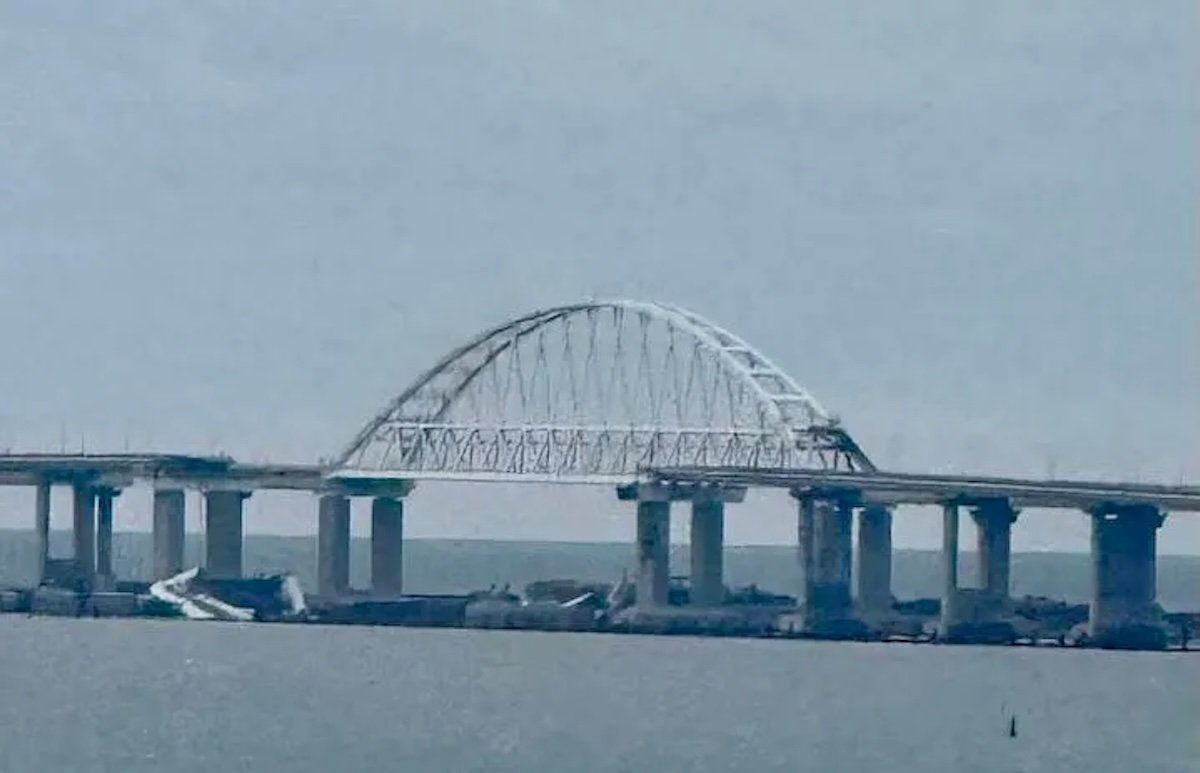
Meanwhile, Ukraine's destruction of the road section of the Kerch Bridge is more than a symbolic blow. It is part of a larger plan to degrade Russia's logistical capabilities, cutting off a key supply route to Crimea and the southern front. The bridge has been a vital artery for Russian forces, and its partial collapse will complicate resupply efforts, potentially affecting operations in the Kherson and Zaporizhzhia regions.
Ukraine has consistently demonstrated superiority in ground operations, inflicting heavy casualties on Russian forces while keeping its own losses relatively low. This tactical edge, combined with the logistical disruption from the bridge strike, could shift the battlefield balance in the coming months.
The broader implications extend beyond Europe. As the war grinds on, Asian nations are watching closely. The conflict has already exposed vulnerabilities in global supply chains and raised questions about the reliability of Western technology providers. For instance, Asia's militaries should scrutinize Starlink contracts after the Ukraine episode, where the system's performance has been inconsistent. Similarly, Ukraine's Starlink whitelist has failed, allowing Russia to regain access, which has implications for drone warfare and air defense.
The Trump administration's rush to broker a deal is not just about Ukraine; it is about the legacy of a president who has sought to align with authoritarian leaders. But the new Congress will likely have other ideas. The US midterm sweep has reshaped Trump's Ukraine calculus, and the coming months will test whether the administration can maintain its course or is forced to adapt to a new political reality.
For now, the clock is ticking. The question is whether Ukraine and Europe will be pressured into a bad deal before the new Congress can act, or whether the administration's desperation will lead to overreach and failure. The next few weeks will be critical.