South Korea's economic miracle has long been built on a handful of export industries. In 2025, more than US$300 billion of the country's roughly US$700 billion in total exports came from just four sectors: semiconductors, automobiles, shipbuilding, and steel. This concentration has created a structural imbalance that is not only an economic concern but also a serious national security vulnerability.
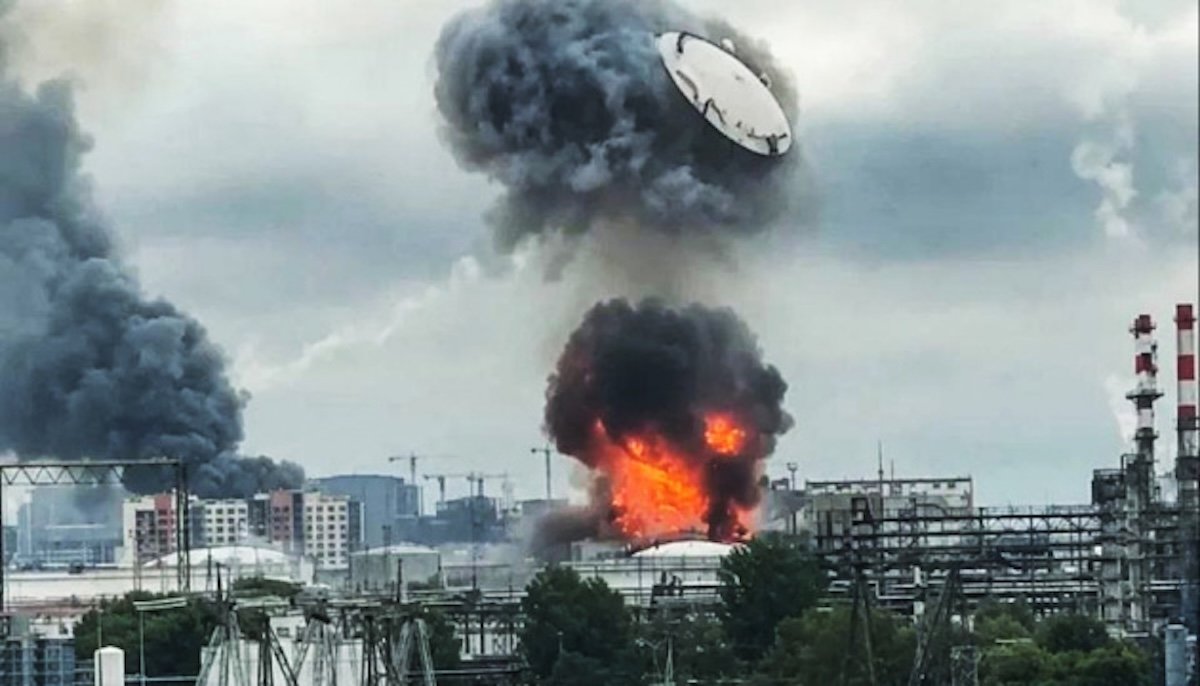
In a conflict, North Korea or China might not seek a direct confrontation with South Korea's well-equipped military. Instead, they could target the industrial bases that underpin the country's economic strength. By destroying or severely disrupting these industries, they could cripple the economy and undermine Seoul's ability to sustain a prolonged war. Such a strategy could offer a quicker and more effective path to victory than a head-on military engagement.
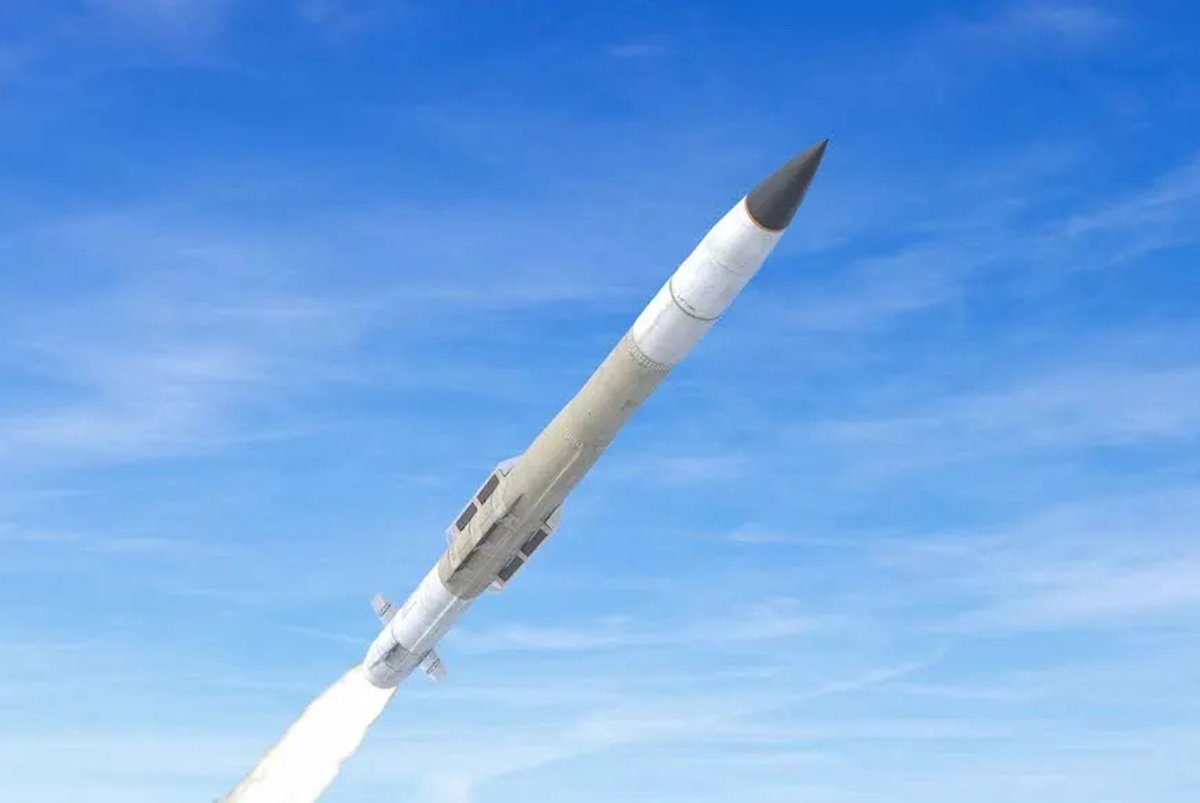
North Korea's recent advances in missile technology, including ballistic and hypersonic systems, along with its expanding drone capabilities, have heightened this vulnerability. Coordinated attacks on strategically important facilities could have cascading effects on the national economy and ripple across the region.
Key pillars of South Korea's industrial strength
South Korea's economy is increasingly a two-speed one. While strategic industries continue to drive exports and competitiveness, many other sectors face structural challenges. This lopsided growth poses both economic and security risks. The production capabilities of these key industries are concentrated in a relatively small number of highly specialized facilities and geographic clusters, making them attractive targets for precision-guided weapons.
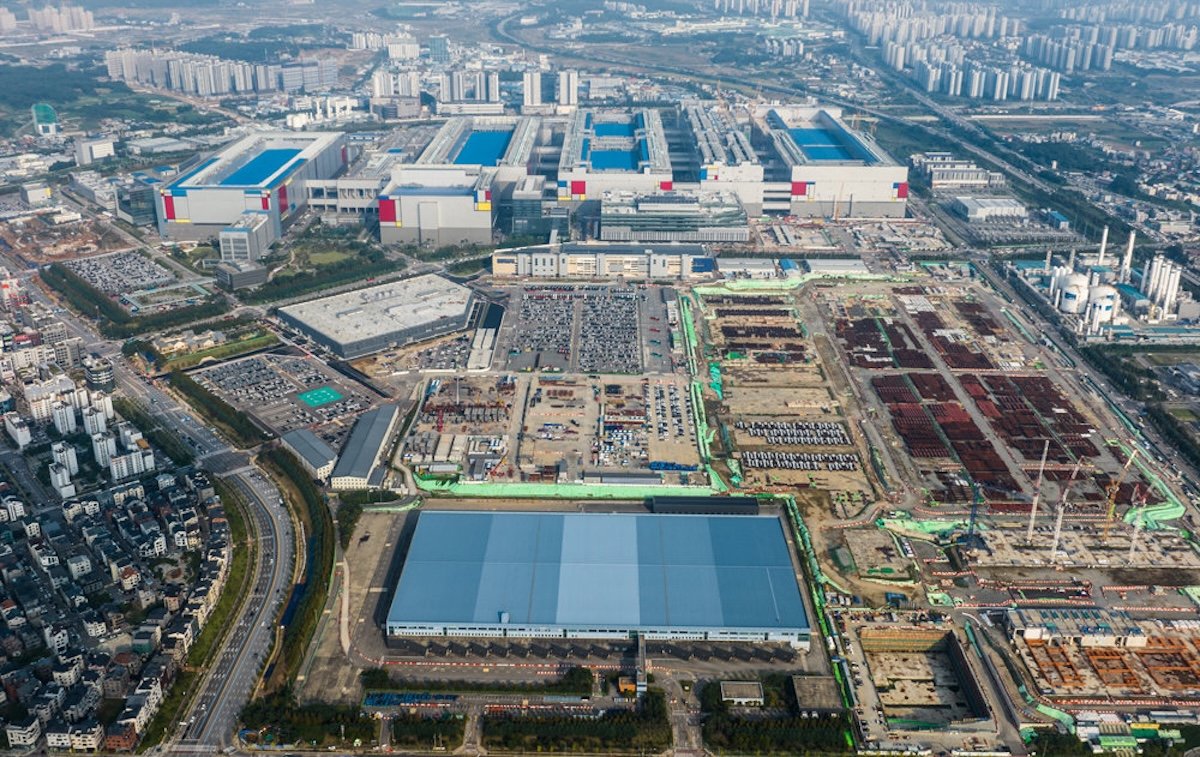
Semiconductors are the most critical pillar. They account for roughly US$176 billion of exports, about 25% of the total, and are essential to global electronics, artificial intelligence, and advanced technology supply chains. The industry is dominated by Samsung Electronics and SK hynix. Samsung's main fabs are in Pyeongtaek, Hwaseong, and Giheung, all in Gyeonggi Province. SK hynix operates facilities in Incheon and Cheongju, and is building a new complex in Yongin, also in Gyeonggi. This concentration near the border with North Korea creates a significant military vulnerability. A strike on even a few of these sites could disrupt not only South Korea's most valuable export but also critical components of global tech supply chains, especially given the centrality of advanced memory chips to AI and high-performance computing.
The automobile industry is another major pillar, generating about US$72 billion in exports in 2025. Hyundai Motor and Kia dominate, with plants in Ulsan, Asan, Jeonju, Gwangmyeong, Hwaseong, and Gwangju. Other manufacturers like GM Korea, Renault Korea, and KG Mobility operate in Bupyeong, Changwon, Busan, and Pyeongtaek. These facilities are concentrated in a few clusters, making them relatively easy targets for North Korea's precision missiles. Disruption to even a small number of plants would have serious repercussions for the economy, affecting employment, domestic supply chains, and broader manufacturing competitiveness.
Shipbuilding is the third pillar, with exports of about US$32 billion in 2025. The industry is led by HD Hyundai, Hanwha Ocean, and Samsung Heavy Industries, with major yards in Ulsan, Geoje Island, and Yeongam. These facilities build high-value vessels like LNG carriers, container ships, and naval ships. A strike on these yards would not only hurt exports but also affect the global shipping and energy sectors.
The steel industry, while smaller, is also vital. POSCO's main works are in Pohang and Gwangyang, and a disruption would have cascading effects on construction, manufacturing, and shipbuilding.
South Korea's reliance on a few industries is a strategic vulnerability that has been exacerbated by North Korea's missile advances. The government and military have long focused on conventional deterrence, but the threat to economic infrastructure is now a central concern. As South Korea rethinks its North Korea policy, it must also consider how to protect its economic heartland.
Some analysts argue that the concentration of industry is a double-edged sword. It has driven rapid growth, but it also means that a few well-placed strikes could cause disproportionate damage. The new congressional allies in Washington may push for stronger deterrence, but the fundamental issue is the resilience of South Korea's industrial base.
In the event of a conflict, the economic impact would extend far beyond the peninsula. Global supply chains for semiconductors, automobiles, and ships would be disrupted, affecting industries worldwide. The collision of trade agreements and chip rules in Southeast Asia could also be felt, as companies scramble to find alternative suppliers.
South Korea must therefore diversify its economy and harden its critical infrastructure. This includes dispersing production sites, investing in missile defense, and developing redundancy in supply chains. The threat is real, and the time to act is now.