Three weeks ago, the political obituary of Brazilian President Luiz Inacio Lula da Silva had already been written. Flavio Bolsonaro, the far-right candidate and son of the jailed former president Jair Bolsonaro, had emerged from the first round with a lead that seemed insurmountable. At 80, Lula appeared destined for a quiet exit after four decades at the center of Brazilian politics. On Sunday, however, Lula defied expectations, winning the runoff and securing a fourth non-consecutive term.
The result is unprecedented in Brazilian politics in at least three ways. No presidential candidate had ever won the first round and then lost the runoff since the two-round system was adopted in the 1988 Constitution. Lula broke that pattern by converting a deficit of about 2.2 million votes into a solid victory in just three weeks. He also became the first Brazilian president elected to four terms, and when his new term ends, he will have governed for 16 non-consecutive years—the longest democratic tenure in the country's history, surpassing even Getulio Vargas, who ruled for nearly two decades through revolution, dictatorship, and democratic election.
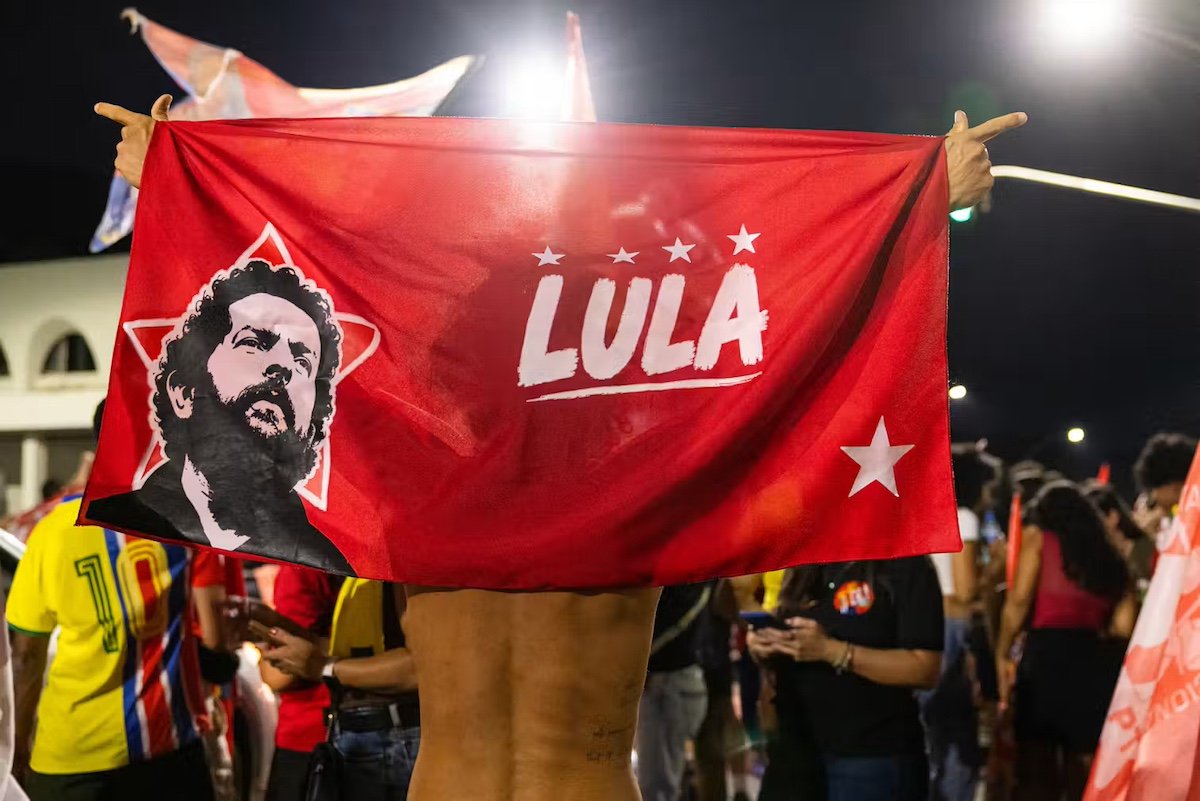
The runoff also saw unprecedented mass mobilization, with both sides taking to the streets and social media in a ferocious campaign. Unlike the first round, the second was not quiet, nor was it decided by television ads alone. The Brazilian left fought an uphill battle against economic elites and a Supreme Electoral Court whose president was accused of bias. Lula has a long record of political miracles, and he has added another.
Why Lula's victory matters beyond Brazil
Lula's win carries significance well beyond Brazil's borders. Globally, Brazil—the world's fourth-largest democracy—stands as a bulwark against the rise of the far right. In recent elections across Latin America and Europe, far-right parties have advanced almost everywhere. Brazil has now bucked that trend, offering a symbol that democrats elsewhere will not ignore.
Regionally, Lula has defied the so-called “incumbent curse.” Over the past decade, governing parties in Latin America have lost election after election, punished for inflation, insecurity, and economic stagnation. Brazil's economy was in reasonable shape, but gains were modest and unevenly felt. Everything pointed to a defeat, yet Lula beat the odds. His win also serves as a check on what critics call the “Donroe Doctrine”—the Trump administration's push to bring the Western Hemisphere more firmly into the US sphere of influence through tariffs, threats, and political patronage. Bolsonaro had campaigned as Washington's preferred partner in South America; Brazilian voters turned that offer down.
Domestically, the result demonstrates the power of popular mobilization on the left. After Lula's poor first-round showing, his campaign re-energized demoralized supporters and built a broad coalition, some of whom voted less for Lula than against what Bolsonaro represents. It also mobilized people who had stayed home in the first round.
But Lula should not mistake survival for vindication. He corrected course, acknowledging mistakes made over four years in office, sharpening his message, widening alliances, and speaking directly to voters he had lost. That is no small achievement for any politician. Yet he now faces a country more polarized than ever, with political violence on the streets and hate speech circulating freely online.
Prominent far-right figures, including Nikolas Ferreira and Lucas Pavanato, have already said they will not accept the result. Bolsonaro said late Sunday he will not concede and will seek an annulment. Given the White House's close ties to the Bolsonaro family, there is a real risk the Trump administration will question or even refuse to recognize the outcome—an extraordinary and previously unthinkable move.
Complicating matters is a legal battle on election day itself. After allegations of voter suppression of Lula's supporters in several cities, Brazil's Supreme Court and Supreme Electoral Court clashed over whether to extend voting hours. Whatever the legal merits, the dispute gives the losing side a ready-made narrative of “voting irregularities,” which could linger for weeks.
When Lula is inaugurated on January 5, three questions will define his fourth term. First, how will he govern a deeply divided country with a conservative majority in Congress and over a dozen right-wing state governors? The legislature that held him hostage over the past four years has grown more hostile. Second, can he deliver on economic promises while facing fiscal constraints and a skeptical market? Third, how will he navigate foreign policy, particularly relations with the United States and China, as Brazil seeks to assert its role in the Indo-Pacific? Lula's victory is a reminder that Brazil's political trajectory has ripple effects across the region and beyond, as seen in the narrow path he carved and the external influences that sought to shape it.