Brazil's presidential runoff on October 25 is shaping up to be one of the closest contests in the country's recent history. In the first round on October 4, Flávio Bolsonaro of the right-wing Liberal Party (PL) secured 47.03% of valid votes, narrowly ahead of incumbent leftist President Luiz Inácio Lula da Silva of the Workers' Party (PT), who took 45.16%. With a margin of just over 2.2 million votes and polls showing a virtual tie, every factor now carries outsized weight—including a little-known Washington-based network with ties to the Trump administration and a recent footprint in South Korea.
Rockbridge Network: A political venture capital firm
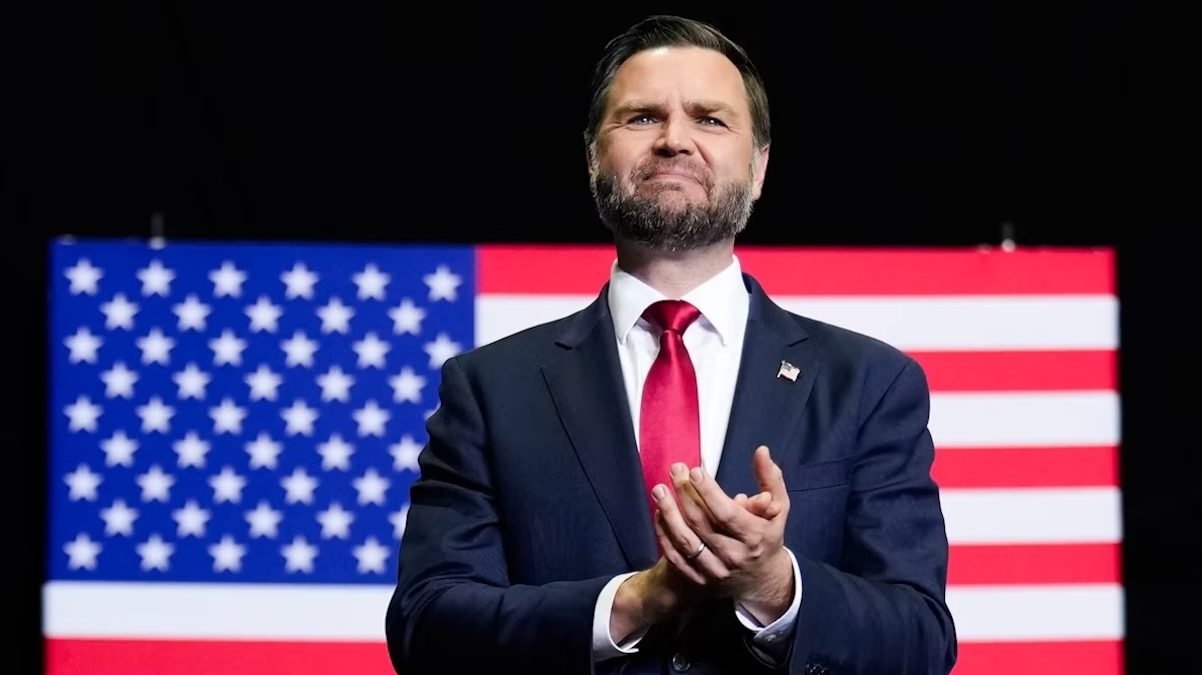
Rockbridge Network was founded in 2019 by JD Vance—then a Silicon Valley investor and now US Vice President—alongside Chris Buskirk, editor of the pro-Trump website American Greatness. In a 2021 donor brochure later obtained by the New York Times, the group described itself as “a kind of political venture capital firm.” Its goal was to pool resources from Republican donors dissatisfied with the traditional party machinery and invest in media outlets, personnel training for future administrations, and voter mobilization in key US states.
The model proved effective. According to Reuters, Rockbridge had a budget of roughly $75 million for the 2024 US election cycle, focusing on right-wing journalism, polling, and ground operations in battleground states. Much of its funding comes from entities that do not disclose their donors, but reported backers include Peter Thiel, co-founder and chairman of Palantir, and Rebekah Mercer, a co-owner of the far-right Breitbart News. Donald Trump participated by phone in an April 2024 meeting, and months later chose Vance as his running mate. Since the Republican victory, Rockbridge has served as a bridge between donors and the administration, with senior officials giving presentations to its members.
From Seoul to São Paulo
Brazil is not Rockbridge's first overseas venture. In September 2025, the network launched a branch in South Korea, chaired by Kim Hae-young, a former lawmaker from the center-left Democratic Party of Korea. The board also includes former Prime Minister Kim Boo-kyum (same party), former Finance Minister Bahk Jae-wan (from a conservative administration), and Chung Yong-jin, chairman of the Shinsegae Group. In Seoul, Rockbridge positioned itself as a channel for elites across the political spectrum to gain access to the Trump administration. That approach contrasts with its Brazilian operation, which appears more directly tied to a single candidate.
What is known about Rockbridge in Brazil
On September 25, 2026, the Brazilian newspaper Folha de S.Paulo reported that Rockbridge had begun setting up operations in the country. Documents obtained by Intercept Brasil detail the project. A business plan dated April 2026, marked “not for public release” and signed with the “Rockbridge Network Brasil” logo, described the operation as a “political venture capital fund”—echoing its US parent's self-definition. Members' annual dues would finance projects in three areas deemed “out of balance”: the press, universities, and the legislature.
A second, confidential and unsigned document was addressed to Flávio Bolsonaro—son of former President Jair Bolsonaro, who is currently jailed for attempting a coup after losing the 2022 election. The document proposed a Technology Council of 23 business leaders, 19 of them foreign, to advise the Liberal Party candidate directly and to bring American investors closer to a potential administration in sectors such as defense, energy, data centers, and rare earth metals. The text presented the council as useful “as a campaign tool” and “as a platform for government,” hinting at investment commitments even before inauguration.
There is no evidence that the material reached the candidate, and several listed companies deny having been consulted. However, the individuals involved are close to Flávio Bolsonaro's campaign. Businessman Pedro Sang, identified as the executive director of the Brazilian operation, told The Intercept that the council “was just an idea that never took off or moved forward.” Sang was introduced to Rockbridge through André Marinho of the right-wing Novo party, a candidate for governor of Rio and son of businessman Paulo Marinho, Flávio's alternate in the Senate. Marinho wrote a memo about a Brazil-US partnership on rare earths under a potential Flávio administration, which he now calls a “hypothetical exercise.” Nine days after that memo, Flávio said at CPAC in Dallas that Brazil was the solution for the United States to break free from dependence on China for critical minerals.
Tallis Gomes, founder of Easy Taxi, stated in April on the Os Sócios podcast that he was part of Rockbridge and that Flávio had asked him for written proposals for his government plan. He later told The Intercept he is merely part of a networking group. On October 1, allies of the Liberal Party candidate told Folha that businesspeople linked to the network produced reports and provided consulting services to the campaign. Rockbridge denied for weeks that it had plans for Brazil, until it admitted that it had opened a company in the United States, Rockbridge Brazil.
The expansion of Rockbridge into Brazil—following its South Korean launch—raises questions about the influence of foreign political networks in Latin America's largest democracy. As the runoff approaches, the role of such groups may prove as decisive as any domestic issue. For more on the broader regional context, see our analysis of Lula's narrow path against Bolsonaro's heir and the deepening national crisis in South Korea, where Rockbridge has also established a foothold.