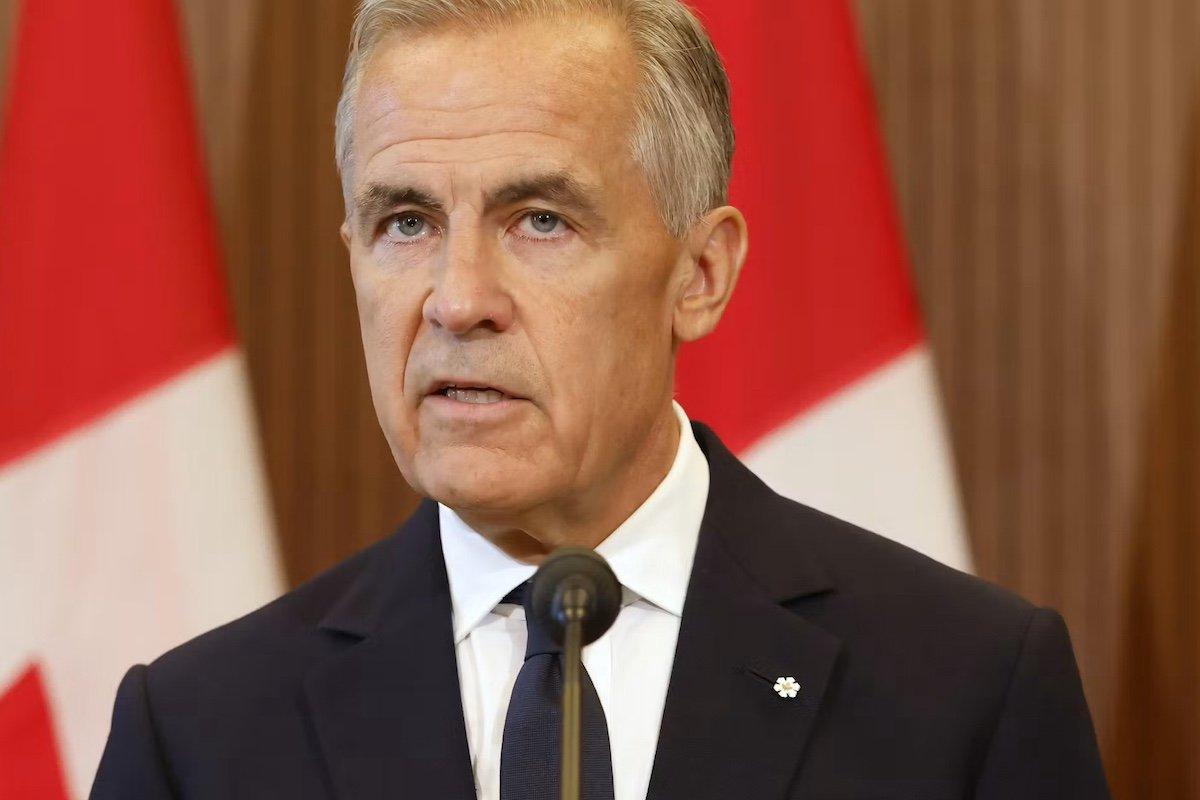
When Mark Carney walked away from the negotiating table on August 22, he did more than break off a trade deal with the United States. He signaled to the world that there is a limit to what even a close ally will accept from the Trump administration. The Canadian prime minister cited “last-minute changes” by American negotiators that were, in his words, “unfair, uneconomic and called into question the reliability of any deal.”
Within hours, Washington imposed new Section 338 tariffs on US$28 billion worth of Canadian goods. Early estimates suggest the measures could cost 90,000 Canadian jobs. The timing was no accident: the tariffs were designed to punish Ottawa for refusing to capitulate.
From conciliation to confrontation
Until this breakdown, Carney's approach had been strikingly conciliatory. In May, he was still calling for deeper Canada-US integration, arguing that “Canada Strong will help make America great again.” That language now reads like a relic of a bygone era. The collapse of talks has transformed the political mood in Ottawa, and across the country, from accommodation to open defiance.
The American proposals were never balanced. Canada was asked to accept steep tariffs on automobiles, steel, aluminium, and lumber in exchange for market access it had enjoyed for decades. But the final straw came with last-minute demands that struck at Canadian sovereignty: curbs on French-language protections—a pillar of Canadian trade policy since the 1970s—and a US veto over who Canada could trade with.
As Carney put it: “We cannot accept what they’ve offered, and we will not give what they’ve asked … They asked too much and offered too little.”
A new kind of tariff
The 50% tariff on Canadian goods breaks from previous US actions. Earlier tariffs were either global (like Section 232 on steel and aluminium) or tied to long-standing disputes like softwood lumber. This one is explicitly punitive, aimed at forcing Canada to drop provincial alcohol bans and lift tariffs on American autos. US Trade Representative Jamieson Greer made that clear.
In essence, Canada is being penalized for defending its own interests. The underlying assumption—that America is entitled to sell its products anywhere, and that any resistance is illegitimate—is deeply troubling for many countries watching from Asia and beyond.
Retaliation becomes mainstream
Even before this escalation, 62% of Canadians supported retaliatory tariffs. That number is likely to rise. Carney, who had previously been cool on retaliation and even dropped some tariffs last September, has now vowed dollar-for-dollar countermeasures. His rapid pivot reflects a belief that Canadians—and global allies—will back him.
Retaliation is no longer limited to trade. Ontario Premier Doug Ford told Trump to “kiss my ass.” Bloc Quebecois leader Yves-François Blanchet has called for suspending defense contracts, including the purchase of American F-35 fighter jets. Former prime minister Jean Chrétien is among those urging Ottawa to “hit where it hurts.”
This is a dramatic shift for Canadian foreign policy, which for decades avoided open threats of retaliation for fear of US punishment. Now, the conversation has flipped.
Time as a weapon
The conventional wisdom is that the US would easily win a trade war with Canada. The American economy is far larger and less dependent on exports to Canada. The New York Times dismissed Canada's retaliatory tariffs as having “the effect of a pea shooter in a gun battle.”
But that view underestimates Canada's leverage. As Nobel laureate Paul Krugman notes, the US imports vital goods from Canada—oil, lumber, electricity, aluminium—for which there are no cheap domestic substitutes. Tariffs on these items raise costs for American consumers and businesses, in an economy already grappling with inflation.
Foreign governments are acutely aware of these vulnerabilities and the political calendar. With US midterm elections approaching, there is a growing incentive to use time as a weapon. As American foreign policy scholar Paul Musgrave argues, countries can calibrate their responses to inflict maximum political pain on the Trump administration.
For Canada, that means targeting Republican-held districts in states like Ohio, Michigan, and Maine, where Democratic challengers are already attacking incumbents over their support for the trade war. The goal is not to defeat the US economically—that is impossible—but to make the conflict so costly that it becomes politically untenable.
This strategy has resonance far beyond North America. From Seoul to Tokyo to New Delhi, leaders watching the Canada-US standoff are learning a lesson: Trump's second term is accelerating a global shift away from US leadership, and standing firm may be the only way to preserve sovereignty. The permanent tariffs are shifting the cost burden onto American consumers, which creates political openings for those willing to resist.
Canada's defiance is not just about trade. It is a signal that the era of unilateral American demands is over. Whether other nations follow Carney's lead remains to be seen, but the playbook is now on the table.