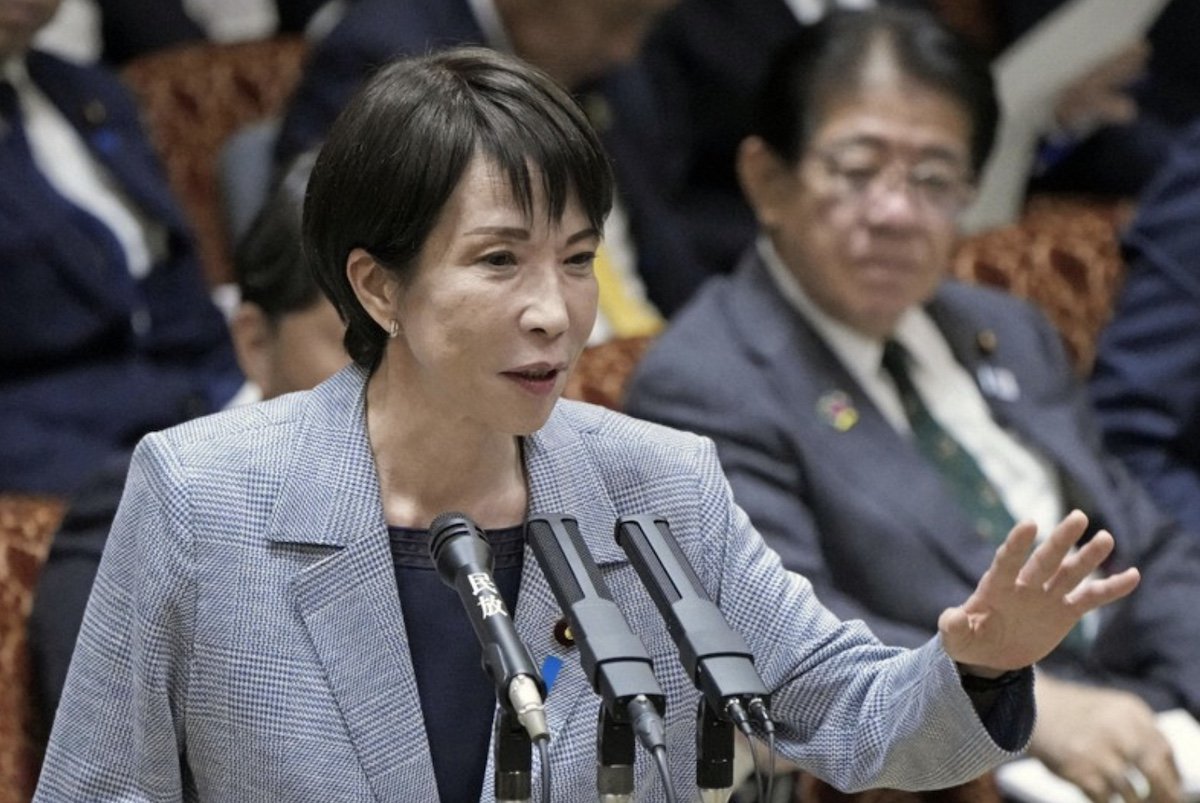
In the days since Sanae Takaichi’s Liberal Democratic Party secured a landslide victory in Japan’s general election, the yen has staged a powerful rally. The currency’s surge suggests markets are pricing in the aggressive fiscal expansion that Japan’s first female prime minister has long championed. But a growing number of analysts argue that the so-called “Takaichi trade” may be built on shaky assumptions.
Takaichi, a veteran conservative who previously served as Minister of Internal Affairs and Communications, campaigned on a platform of bold stimulus, including increased public works spending, tax cuts for corporations, and a more assertive monetary policy. Her victory was widely interpreted as a mandate for breaking with the cautious fiscal orthodoxy of recent years. Yet the political reality inside the LDP is far more complex.
The Dog That Caught the Car
As one Tokyo-based strategist put it, the LDP now finds itself in the position of “the dog that caught the car.” Having won a commanding majority, the party must decide what to do with its power. Takaichi’s more radical proposals face resistance from within the LDP’s own ranks, particularly from the powerful finance ministry and senior lawmakers who worry about Japan’s already massive public debt, which exceeds 250 percent of GDP.
“Markets are assuming Takaichi will get everything she wants,” said Hiroshi Suzuki, a political analyst at Keio University in Tokyo. “But the LDP is a coalition of factions, and many of them are skeptical of her big-spending plans. The yen rally may be premature.”
The yen’s strength also reflects broader global factors, including a weaker US dollar and expectations that the Bank of Japan may eventually normalize interest rates. Yet the BOJ has signaled it will maintain its ultra-loose policy for now, creating a tension between fiscal ambition and monetary caution.
Regional and Global Implications
Takaichi’s economic agenda has implications beyond Japan’s borders. A more expansionary fiscal policy could boost demand for imports from Southeast Asia and other trading partners, but it also risks stoking inflation and complicating the BOJ’s exit from negative rates. Meanwhile, Japan’s strategic posture is shifting: the new government has signaled a more active role in regional security, including deeper cooperation with Australia on naval capabilities, as highlighted in the Japan-Australia frigate deal that signals a shift in Pacific security amid China’s naval rise.
At home, Takaichi’s focus on constitutional revision has raised concerns that she may prioritize political reform over economic management. As noted in a recent analysis, Prime Minister Takaichi's constitutional focus raises economic concerns amid regional instability. This dual-track approach could leave markets uncertain about the government’s true priorities.
China’s industrial overcapacity is another factor that could undermine Takaichi’s growth plans. As Chinese exports flood global markets, Japanese manufacturers face intense competition, particularly in steel, chemicals, and electronics. The reshaping of global trade by China's industrial overcapacity pressures Asian economies, including Japan, to adapt or lose market share.
What Markets Are Missing
The core of the mispricing argument is that markets are conflating electoral victory with policy certainty. In reality, Takaichi must navigate a divided party, a cautious bureaucracy, and an uncertain global environment. The yen’s rally may reflect hope more than conviction. If the LDP fails to deliver on its fiscal promises, the currency could reverse course just as quickly.
“Investors should be careful not to overinterpret the election result,” said Mei Ling Tan, an economist at the Institute of Southeast Asian Studies in Singapore. “Japan’s political system is designed to produce consensus, not radical change. The Takaichi trade may be a short-term phenomenon.”
For now, the yen remains elevated, and Tokyo’s stock market has rallied on expectations of stimulus. But the real test will come in the months ahead, as Takaichi’s government presents its first budget and faces the hard choices of governance. Until then, the “Takaichi trade” looks more like a bet on hope than a sure thing.