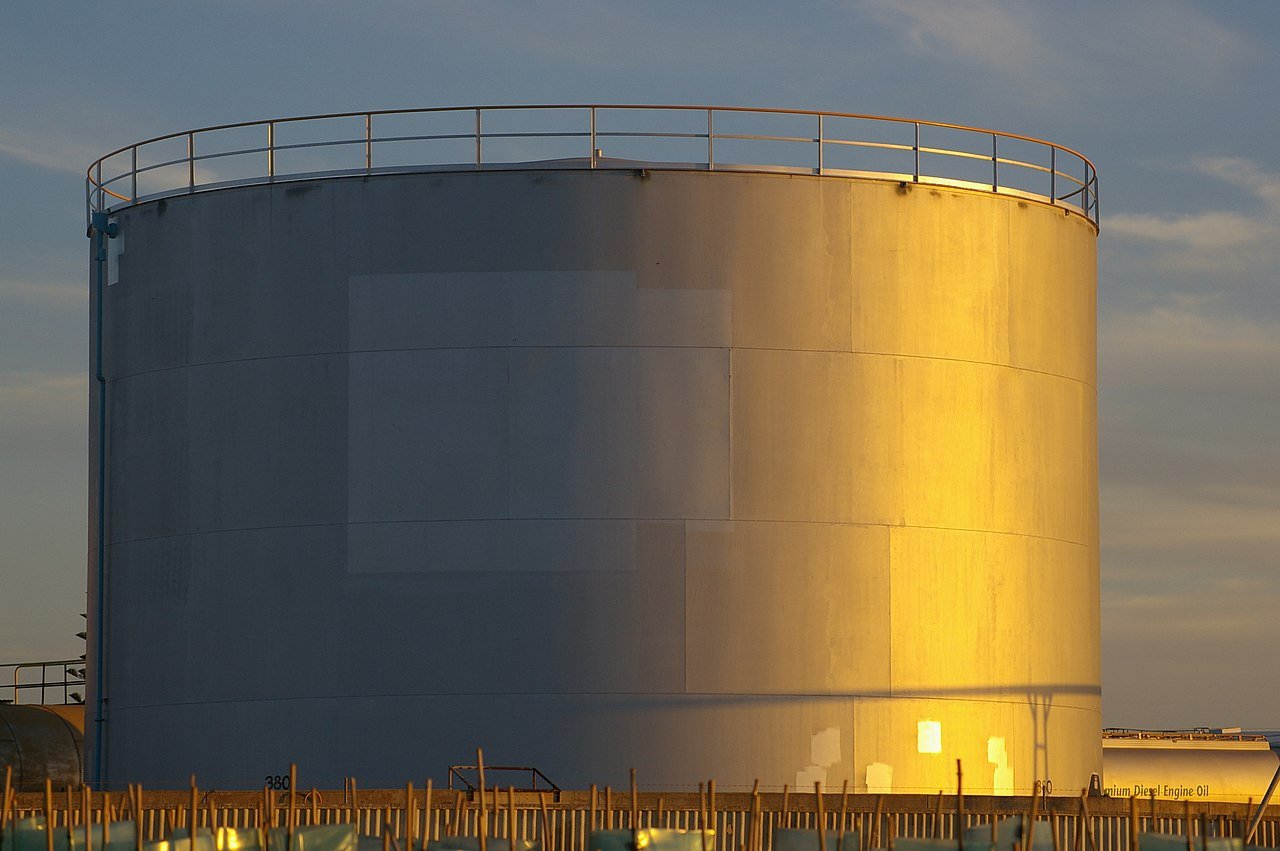
On Wednesday, a single trader placed a massive short position on crude oil worth approximately $920 million in notional value—just 70 minutes before Axios reported that the White House believed the United States and Iran were on the verge of signing a one-page memorandum of understanding to end hostilities. The timing has prompted renewed accusations of insider trading, with critics pointing to a pattern of suspicious market moves coinciding with Trump administration foreign policy announcements.
The trade, flagged by financial newsletter The Kobeissi Letter, involved nearly 10,000 crude oil contracts placed at 3:40 am Eastern Time—an unusually large and early move for a market that typically sees lower liquidity before regular trading hours. By 7:00 am, after the Axios report by Middle East correspondent Barak Ravid, oil prices had fallen 12%, allowing the trader to pocket an estimated $125 million in a matter of hours.
Pattern of Suspicious Bets
This is not an isolated incident. Over the past several weeks, a series of well-timed bets have coincided with Trump administration statements on Iran. In late February, bettors collected around $1 million from prediction markets on the exact timing of Trump's military strikes against Iran. The Financial Times also reported a surge of more than $580 million in oil futures trading just before Trump announced a pause in strikes on Iran's energy facilities in March.
Last month, an active-duty US special forces soldier was indicted by the Department of Justice for allegedly using classified information to bet $400,000 on Polymarket that Venezuelan President Nicolás Maduro would be removed from power—a bet he placed based on an operation he himself was involved in.
The pattern has led some analysts to question whether the Trump administration's on-again, off-again approach to Iran negotiations is being exploited by insiders. Former Representative Marjorie Taylor Greene, once a Trump ally but now a vocal critic, wrote on social media: "When is everyone going to start realizing that the on-again, off-again war/peace rhetoric is really just insider trading? And sprinkle in some murder. Only a select few in the top tax bracket are benefiting from this, and the majority of you ain't in it."
Implications for Asian Markets
The volatility in oil prices has direct consequences for Asian economies, many of which are heavily dependent on energy imports. Japan, South Korea, and India—among the world's largest crude oil buyers—face significant economic disruption from price swings. A sustained drop in oil prices could ease inflationary pressures in these countries, but the unpredictability of US-Iran relations complicates long-term planning for energy procurement and fiscal policy.
Indonesia, a net oil importer, has also been affected by the instability. The country's foreign policy drift, as explored in our recent analysis Indonesia's Foreign Policy Drift Raises Sovereignty Concerns Amid US-China Tensions, has made it more vulnerable to external shocks. Meanwhile, the fragile ceasefire between the US and Iran, driven partly by US weapons depletion, raises questions for Asian security partners who rely on American military commitments. Our report US Weapons Depletion Drives Fragile Iran Ceasefire, Raising Questions for Asia examines these dynamics in detail.
The peace framework itself remains uncertain. Over the past several weeks, US officials have repeatedly told media outlets that a deal is imminent, only for talks to collapse later—often after Trump issues hostile threats or makes new demands. Some observers speculate that these announcements are deliberately timed to calm oil markets and lower prices, which have become a political liability for Trump among American voters.
As The Economic Times noted, Wednesday's bet "is not a routine hedge" or "a portfolio rebalancing move." At that hour and in that size, it represents a deliberate, high-conviction directional bet. Democrats in Congress have urged the Securities and Exchange Commission to investigate what Senator Chris Murphy called potential "mind-blowing corruption" by the White House, not only related to the Iran conflict but also to Trump's tariff regime, which has similarly allowed well-timed bets to profit from market chaos.
Critics have described profiting from the machinations of a war that has killed more than 1,700 civilians as particularly grotesque. For Asian nations watching from the sidelines, the episode underscores the risks of relying on a US foreign policy that appears increasingly driven by market manipulation and insider gain rather than strategic stability.