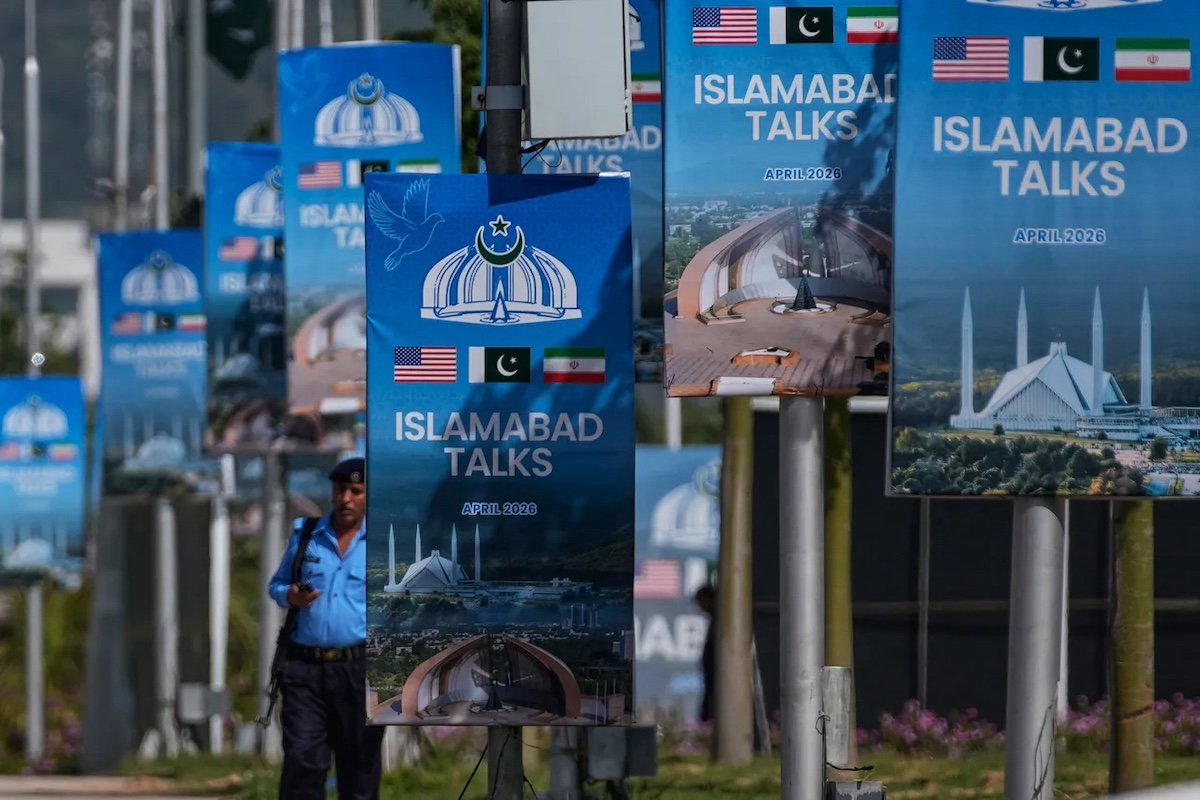
The fragile ceasefire between the United States and Iran, announced on April 7, 2026, after 40 days of hostilities, arrived at a critical moment for Washington. Multiple reports indicate the US military is running dangerously low on precision-guided munitions, a development with direct implications for security dynamics across the Indo-Pacific.
As a scholar tracking US military deployments, these reports are both concerning and revealing. The United States spends nearly US$1 trillion annually on defense—more than the next nine highest-spending nations combined. Yet against Iran, a country that allocates less than 1% of that amount to its military, the US has consumed weapons at an unsustainable pace.
The Missile Consumption Crisis
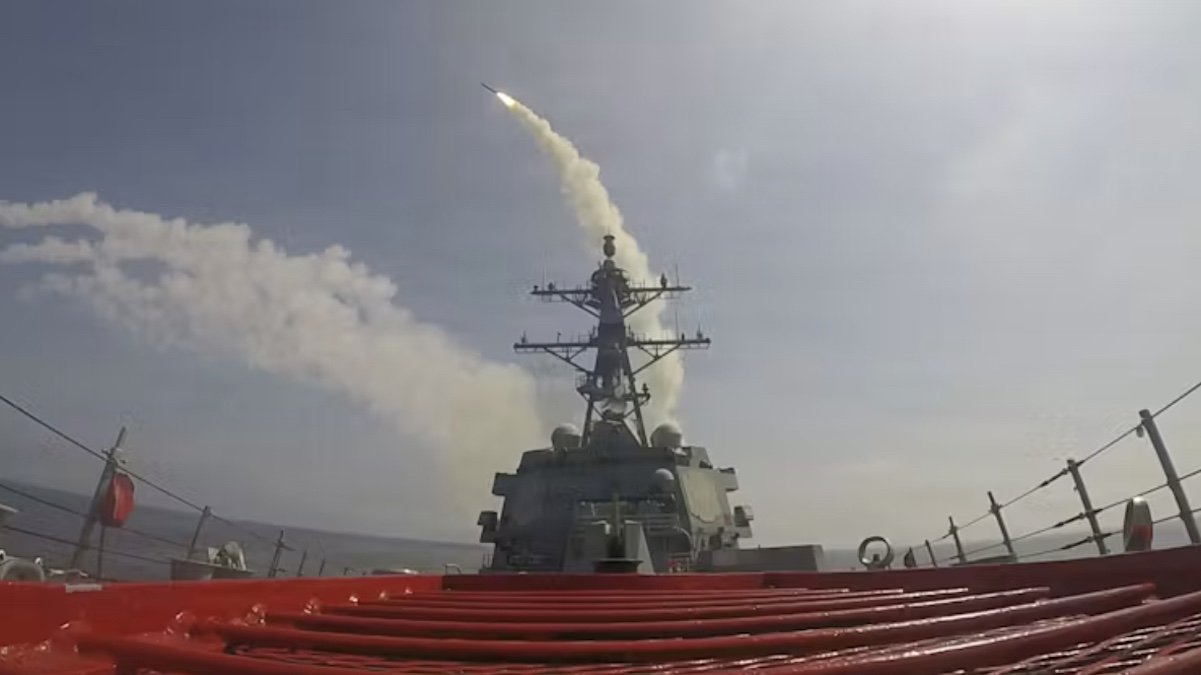
Operation Epic Fury, the US military campaign in Iran, has expended a vast arsenal in a compressed timeframe. Military analysts estimate the US has used over 850 Tomahawk cruise missiles—sea- or ground-launched weapons with a 1,500-mile range. That figure represents years of stockpile accumulation. In 2025, the US budgeted for 57 Tomahawks and procured only 22. Since the 1980s, roughly 9,000 have been built, meaning the Iran conflict alone may have consumed over 30% of the current inventory.
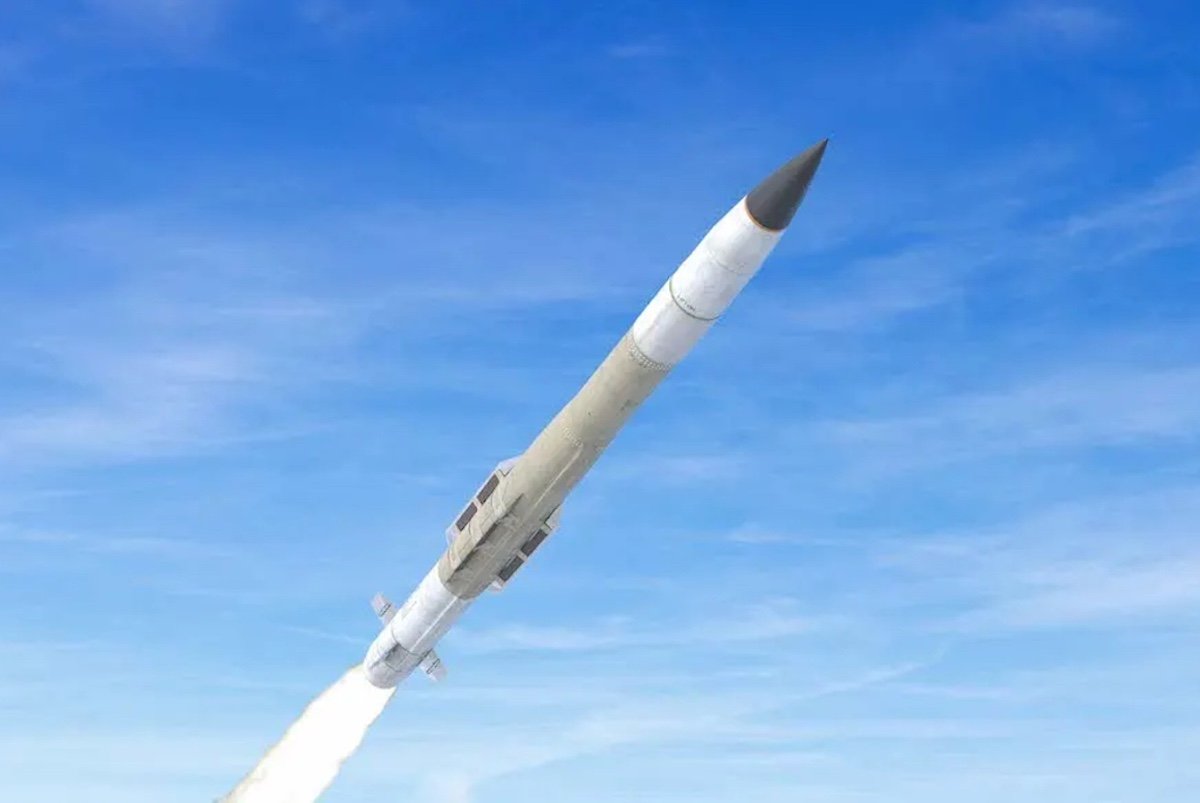
Two types of surface-to-surface missiles, with ranges of 200 to 250 miles, have been fired at rates that analysts describe as unsustainable. These precision weapons target air defenses and troop concentrations. Meanwhile, air-defense interceptor missiles for the Patriot system and the Terminal High-Altitude Area Defense (THAAD) system have been heavily drawn down. The US operates eight THAAD systems and has transferred munitions from a THAAD battery stationed in South Korea to the Middle East. According to the Center for Strategic and International Studies, between 50% and 80% of the THAAD stockpile has been expended.
The rapid depletion has forced the Pentagon to divert missiles from other regions and seek emergency funding. However, production and deployment of new missiles typically require 18 to 24 months due to complex manufacturing and assembly processes.
Lower-cost alternatives exist, such as the LUCAS drone—a short-range unmanned combat system based on Iran's Shahed design. But these are less effective and increase risks to ships, service members, and civilians.
Global Commitments Strain Stockpiles
The Iran conflict is not an isolated incident. The US, as the world's largest arms exporter—accounting for 43% of global arms sales—has faced similar depletion warnings before. The war in Ukraine has consumed substantial US hardware, including missile defense systems and tanks. That has already caused delays in weapons shipments to Taiwan, where the US has supplied arms since the 1950s to deter Chinese aggression. After a pause, the Trump administration resumed aid to Kyiv in July 2025, and European support for Ukraine often involves purchasing US equipment.
Israel's concurrent conflicts in Gaza and Lebanon have added further pressure. The US provides $3.8 billion annually in military aid to Israel, plus $16.3 billion since the October 7, 2023, Hamas attacks.
Whether the depletion stems from consumption in Iran, Ukraine, or Israel—or a combination—the ripple effects are global. For Asia, the implications are stark. US-aligned nations such as Japan, South Korea, Taiwan, and the Philippines rely on American arms exports for their security. A shortfall in production capacity means delayed deliveries and reduced deterrence.
The Trump administration's extension of the Iran ceasefire while maintaining a naval blockade underscores the delicate balance. Meanwhile, the fragile nature of the truce is evident as multiple actors and grievances continue to undermine stability.
Lessons for Rivals
The US has evolved its strategic posture since the Cold War. In the 1990s, Washington prepared to fight two major regional conflicts simultaneously. That has since been scaled back to focus on a single adversary in a single theater. The Iran war has exposed the limits of this approach.
Rivals such as China and Russia are closely studying the conflict. The rapid consumption of US precision munitions, the reliance on a limited number of high-value systems, and the logistical challenges of sustaining a high-intensity campaign offer valuable lessons. For Beijing, which watches US military operations in the Middle East and the Strait of Hormuz, the depletion of US stockpiles may embolden calculations regarding Taiwan or the South China Sea.
The ceasefire may provide a temporary pause, but the underlying strain on US military readiness has long-term consequences for the Indo-Pacific security architecture. Allies and adversaries alike are taking note.