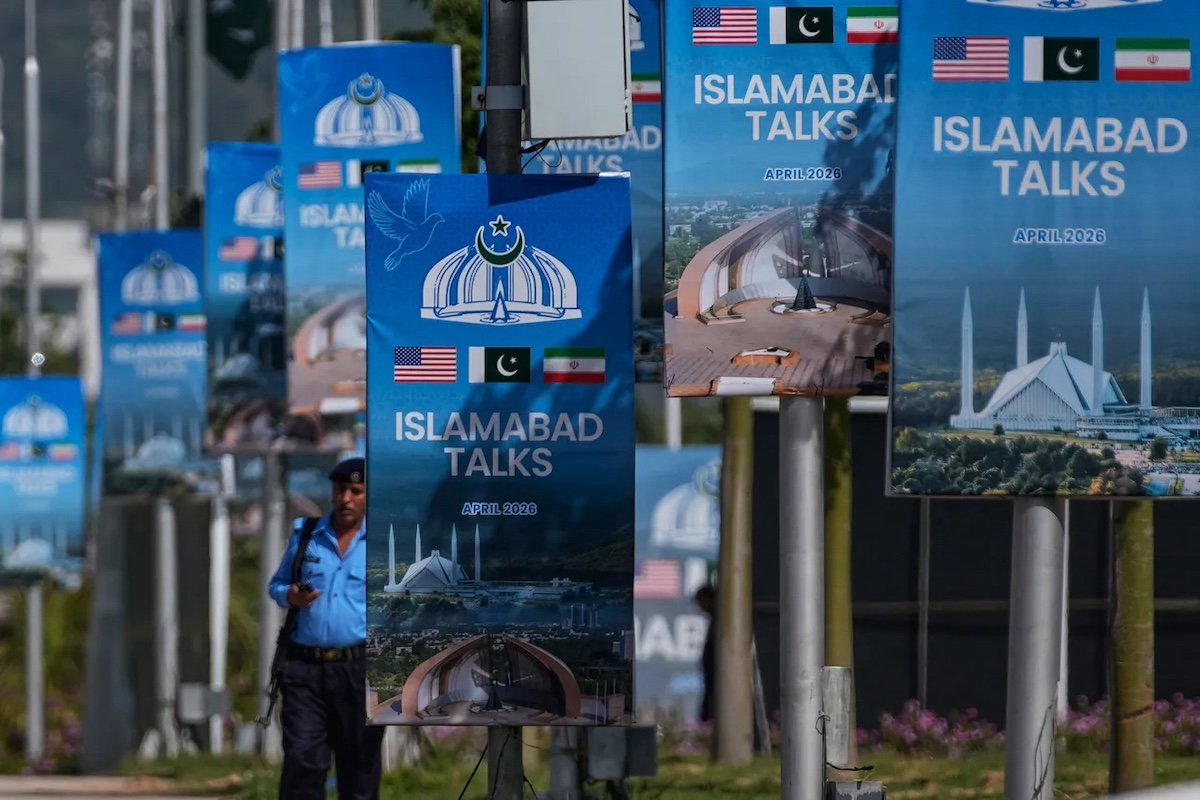
The abrupt ceasefire between the United States and Iran, announced by President Donald Trump on April 7, 2026, after earlier threats of massive retaliation, has left analysts questioning its durability. The truce, intended to halt a conflict that escalated rapidly from late February, is already fraying at the edges, with dueling narratives from Tehran and Washington over its scope.
Iran and Pakistan, which mediated the agreement, insist the ceasefire covers the war in Lebanon. The United States and Israel, which pledged to respect the US-led deal, explicitly deny this. Within 24 hours of the ceasefire taking effect, Israel launched some of its heaviest bombing campaigns in Lebanon to date, underscoring the fragility of the arrangement.
Regional Fault Lines Deepen
The war that began on February 28 drew in a wide array of actors: Israel, the United States, Iran, and indirectly, China, Russia, and Pakistan. Regional players such as Saudi Arabia, the Gulf states, Hezbollah in Lebanon, and the Houthis in Yemen also became entangled. This multiplicity of participants, each with their own grievances and strategic calculations, makes a sustainable ceasefire elusive.
Internal political tensions in Israel, the US, and Iran further complicate matters. All three face legitimacy crises and polarization, which incentivize leaders to use external conflicts to bolster domestic support. The involvement of external powers like China and Russia, pursuing their own interests, adds another layer of complexity.
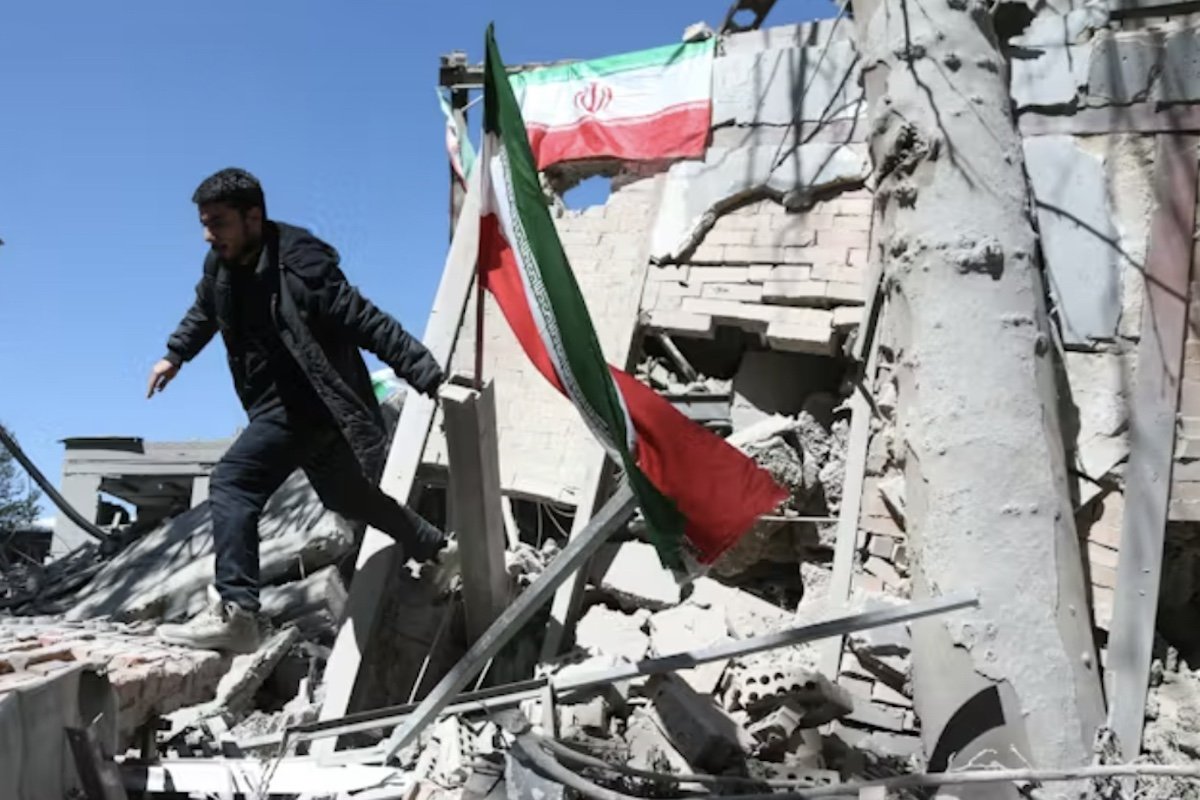
The conflict has already exacted a heavy toll: over 1,200 Iranian civilian deaths, 3.2 million displaced Iranians, and significant infrastructure damage. Thirteen American soldiers have died, along with more than two dozen in Israel and the Gulf states. In Lebanon, over 1,500 people have perished and more than 1 million have been displaced since March.
The Houthi Factor
The Houthi movement in Yemen exemplifies the region's fractured dynamics. After a 2025 ceasefire with the US, the Houthis reentered the fight against Israel on March 28, attacking Israel while refraining from Red Sea operations. This move allowed a weakened Houthi group to signal resolve and commitment to its Iranian ally, even as Yemen faces a severe humanitarian crisis. The Houthis now hold leverage as potential spoilers in ongoing diplomacy.
Public opinion across the Arab world has turned sharply against the US, damaging its reputation and eroding faith in international legal and humanitarian frameworks. The war has also revived historical grievances and deepened sectarian divides, making future conflict resolution more difficult.
The ceasefire's fragility is not just a Middle Eastern concern. The Indo-Pacific, particularly countries like India, Japan, and South Korea, rely on stable energy supplies from the Gulf. The Hormuz Blockade Raises Stakes Ahead of Trump-Xi Summit, highlighting how disruptions in the Strait of Hormuz could ripple through Asian economies. Meanwhile, Trump Extends Iran Ceasefire, Maintains Naval Blockade Amid Regional Tensions suggests the US is hedging its bets, keeping pressure on Tehran even as it negotiates.
The involvement of so many players—each with unresolved grievances and competing agendas—means that this ceasefire is unlikely to hold. As Beyond the Headlines: Why Israel-Lebanon Ceasefire Fails to Guarantee Peace notes, temporary truces often mask deeper conflicts. For the Indo-Pacific, the lesson is clear: instability in the Middle East has direct consequences for energy security and geopolitical alignments, demanding careful diplomacy from Asian capitals.