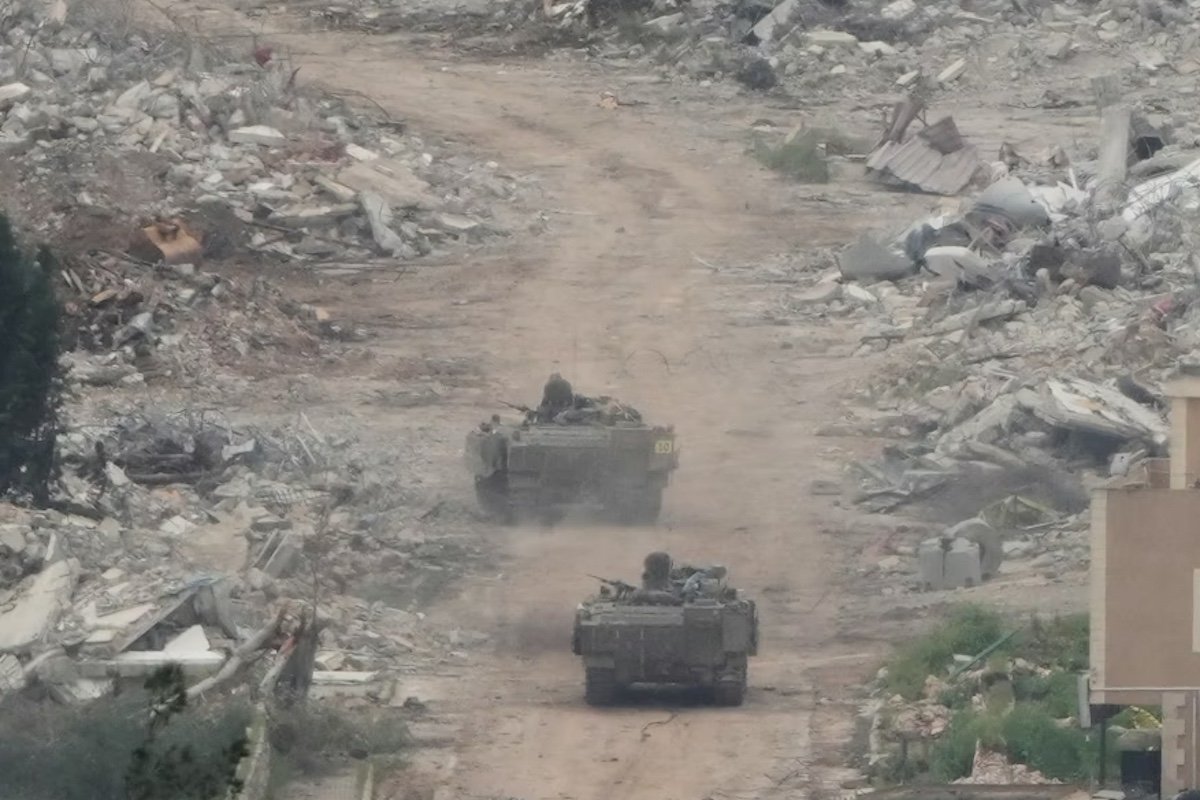
A ten-day ceasefire between Israel and Lebanon, announced after weeks of intense bombardment in southern Lebanon, offers civilians a fragile respite but little promise of lasting peace. The conflict has already claimed over 2,000 lives and displaced more than one million residents from their homes. However, Israeli Prime Minister Benjamin Netanyahu has immediately qualified the truce, vowing to keep Israeli troops in southern Lebanon to establish a ten-kilometer "security zone," raising serious questions about whether attacks against Hezbollah will truly cease.
This pattern is familiar. A previous ceasefire in late 2024 ended thirteen months of fighting, yet Israeli airstrikes and targeted killings of Hezbollah fighters continued. It reflects a global reality where the tidy boundaries of ceasefires and peace agreements rarely contain the messy, enduring dynamics of war. Such deals may conclude one phase of conflict, but they invariably usher in another, often with reduced international scrutiny.
The Illusion of a Clean End
Public narratives often seek to compartmentalize wars with clear start and end dates, fostering an understandable but flawed fantasy of neat resolution. In practice, the complexities of conflict spill beyond these manmade boundaries. The recent Israel-Hamas Gaza Peace Plan, a 20-point deal brokered in October 2025, serves as a stark example. While it decreased bombardments and facilitated a prisoner swap, it also created negative, enduring dynamics.
Following that deal, public and media attention largely shifted away, enabling near-daily Israeli attacks in Gaza and escalated violence in the West Bank to continue with far less oversight. Humanitarian aid to Gaza remains critically below stipulated levels, and discussions on future governance—mandated by the plan—are stalled. The agreement did not end suffering; it merely altered its visibility and mechanisms.
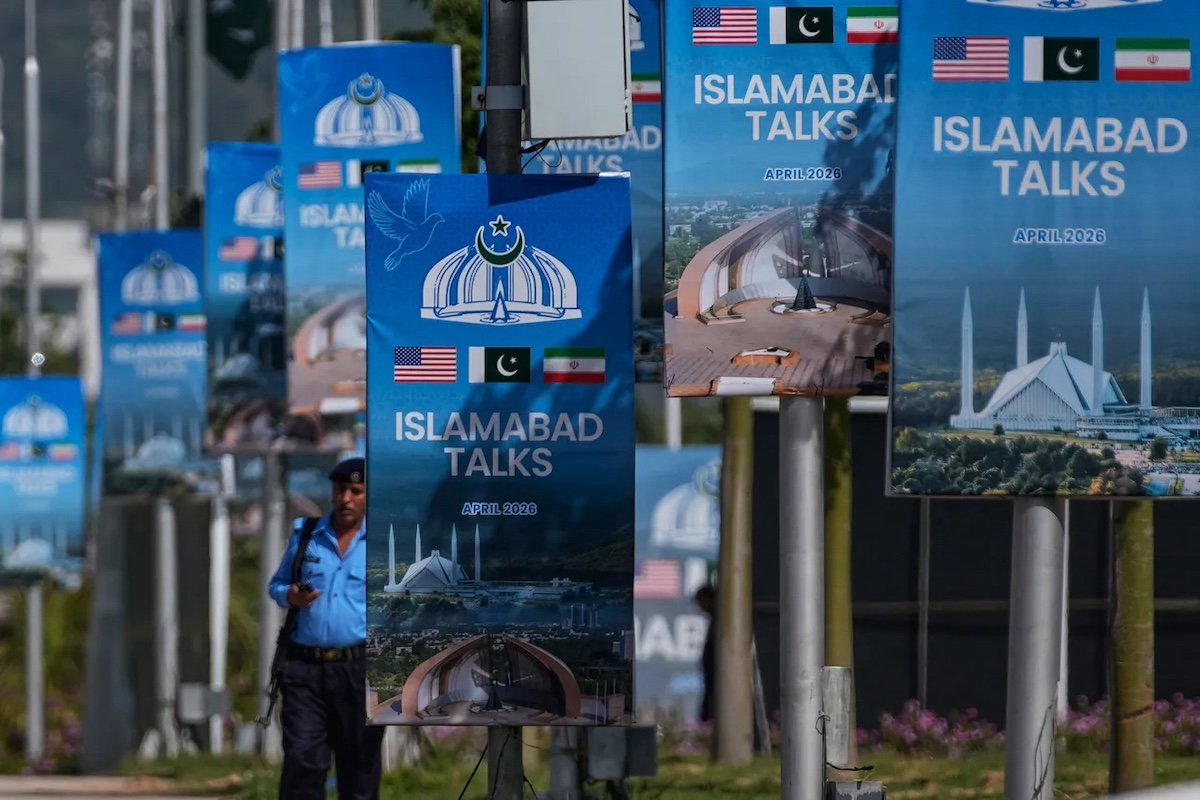
Similar dynamics are visible in the Persian Gulf. Barely a week after a vaguely worded ceasefire between the U.S. and Iran, the regime in Tehran has reportedly used the diplomatic cover to intensify its crackdown on internal dissent. Concurrently, the Trump administration has launched a naval blockade of Iranian ports, a move analysts see as an effort to bolster its negotiating position for future talks. This interplay underscores how ceasefires can become tactical tools rather than steps toward resolution.
A Truce for Consolidation, Not Resolution
The short-term truce between Lebanon and Israel may offer Lebanese civilians a brief reprieve from shelling. However, it may equally provide Israel with a week of diminished media scrutiny to consolidate its military objectives in southern Lebanon. Defense Minister Israel Katz has stated the military will demolish buildings in Lebanese border towns and prevent displaced residents from returning to create Israel's proposed security zone. Netanyahu has been explicit that troops will remain.
Such measures—the demolition of homes and prevention of return—can be implemented more easily under the diplomatic cover of a ceasefire. This transforms the agreement from an instrument of peace into a facilitator of occupation, a paradox where the condition for "peace" is the entrenchment of wartime gains. The regional implications are significant, affecting stability from the Eastern Mediterranean to the Strait of Hormuz.
The broader Asian and Indo-Pacific region watches these developments closely, given their impact on global energy security, trade routes, and geopolitical alliances. Instability in the Levant reverberates through markets and foreign policies in capitals from New Delhi to Tokyo. For instance, continued U.S. military and diplomatic focus on the Middle East, as seen with the naval blockade of Iran, inevitably influences its strategic posture and commitments in the Indo-Pacific.
The Scrutiny Deficit
In an era of globalized conflict and digital media, public attention is a scarce commodity. Dozens of armed conflicts rage worldwide, and a "headline culture" prioritizes new, active crises over protracted, post-agreement struggles. The signing of a ceasefire often signals to the global audience that a story has reached its conclusion, leading to a sharp drop in scrutiny.
This creates a dangerous oversight gap. What occurs after the signing—the slow violence of displacement, economic collapse, political repression, or creeping annexation—remains under-reported. The suffering continues, but the world has moved on to the next breaking news alert. This scrutiny deficit allows parties to a conflict to exploit ceasefires for strategic advantage, knowing the international spotlight will fade.
The military calculus is adapting to this reality. As one analysis suggests, the US-Iran-Israel conflict is likely to settle into a protracted stalemate, where periodic ceasefires are part of a long-term strategy of managed conflict rather than a path to peace. This understanding is crucial for Asian nations assessing long-term energy and security dependencies.
Broadening Our Understanding of Peace
If the goal is to genuinely understand war and peace for the millions caught in conflict zones, our conception of ceasefires and peace agreements must expand. They cannot be viewed as definitive end points but as transitional phases in a longer, often unresolved struggle. Sustained journalistic and diplomatic scrutiny is required long after the signing ceremonies.
The ten-day ceasefire between Israel and Lebanon is a case in point. It is a diplomatic event, but not a conclusion. The future of southern Lebanon, the humanitarian crisis, and the regional power balance remain in flux. The international community, including Asian powers with vested interests in Middle Eastern stability, must look beyond the headline of a truce to the realities it enables and obscures. Only then can pressure be applied not just for agreements to be signed, but for them to be meaningfully implemented in a way that ends suffering, rather than merely disguising it.