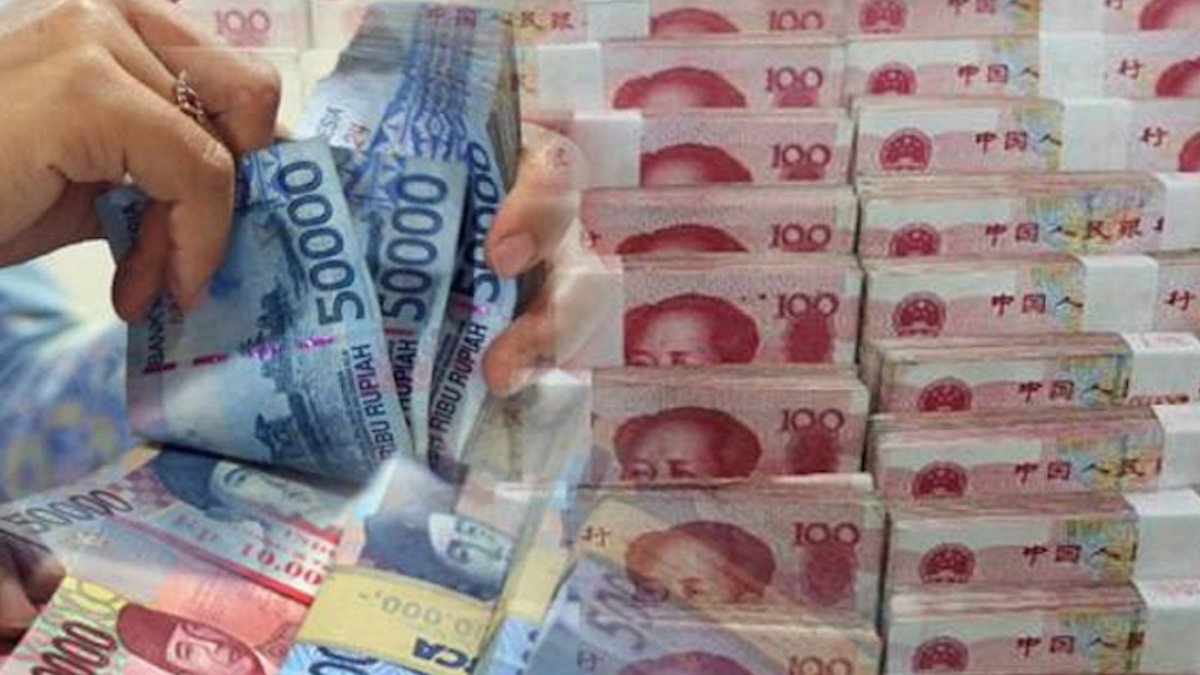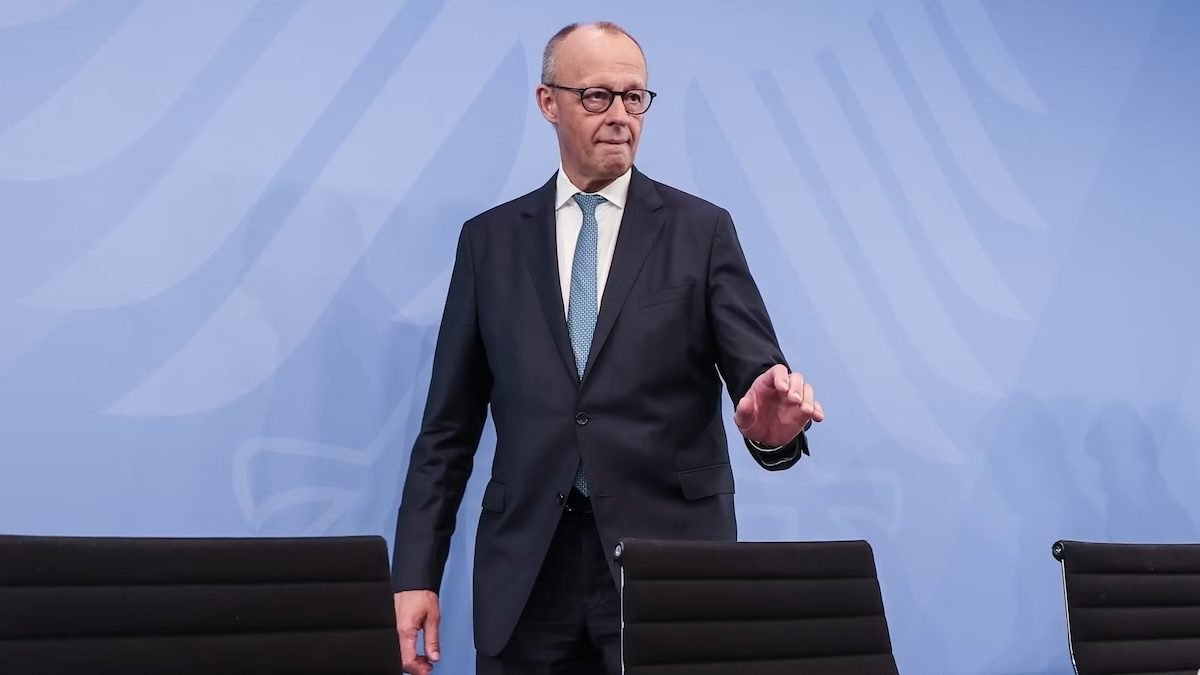
Trade tensions between the European Union and China are escalating, with German Chancellor Friedrich Merz reviving a controversial historical precedent to address Beijing's economic policies. Speaking in Brussels after a European Council meeting, Merz accused China of "flooding markets" through heavy subsidies and claimed the yuan is undervalued by 30%, artificially cheapening Chinese exports. He pointed to the 1985 Plaza Accord as a potential model for resolving the imbalance.
The Plaza Accord, signed by the United States, Japan, Britain, Germany, and France, was a coordinated effort to depreciate the US dollar against the yen and other currencies. The yen appreciated by roughly 46% against the dollar by 1986, averting protectionist measures against Japan but contributing to the country's asset price bubble and subsequent "lost decades" of economic stagnation. Japan's GDP per capita has hovered around $40,000 since the 1990s, while other major economies grew.
China's Historical Wariness
Chinese policymakers view the Plaza Accord not as a cooperative achievement but as a US-led attempt to cripple Japan's manufacturing competitiveness. This perspective has been consistently echoed by Chinese state media. In 2018, Xinhua described the accord as the root of Japan's economic woes, and a recent editorial in the Global Times, a tabloid under the People's Daily, called it an example of Western economic coercion rather than international cooperation.
Merz's comments come as EU trade chief Maros Sefcovic stated on June 16 that the bloc's unbalanced trade relationship with China "had reached a point that requires a reset." The German chancellor's remarks, however, risk being interpreted by Beijing as a direct threat to its economic model, given the historical parallels.
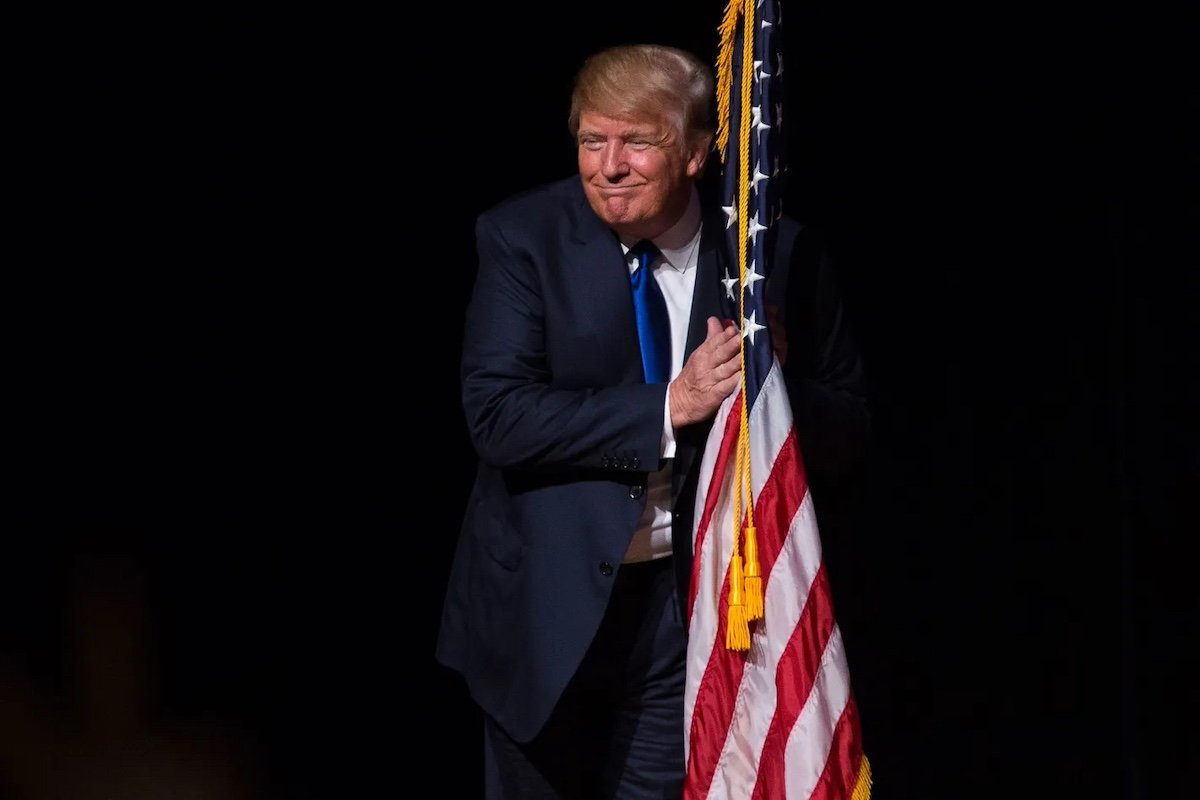
China has reacted forcefully to perceived external constraints. In response to US tariffs and former President Donald Trump's proposed Mar-a-Lago Accord—aimed at weakening the dollar to boost American exports—Beijing added ten US firms to its rare-earths export control list on June 22. The Chinese commerce ministry framed the move as a response to "the US government's malicious practice" and a measure to safeguard national security.
Merz's proposal leaves Europe vulnerable to similar retaliation, particularly restrictions on access to Chinese rare earths, which are critical for modern military technologies. Such a move would hamper the EU's rearmament efforts amid Russian aggression. However, Brussels has been more hesitant than Washington to engage in open trade conflict with Beijing.
China's likely response to European pressure will follow its established pattern of dealing with individual member states bilaterally, rather than confronting the EU as a whole. This divide-and-conquer approach has previously undermined EU efforts to forge a unified China policy. As Nvidia's Beijing Pitch Fails as China Doubles Down on Tech Self-Sufficiency illustrates, Beijing is doubling down on self-reliance in key technologies, further complicating trade relations.
The EU-China relationship is entering a contentious phase, with differences set to intensify as China seeks to maintain its global manufacturing dominance and advance in sectors once led by European economies. Whether Merz's Plaza Accord redux gains traction remains uncertain, but it has already sharpened the stakes in a deepening trade dispute.