When Myanmar's military bombed a Buddhist monastery during a meditation retreat this month, reportedly killing at least 14 people, most of them elderly civilians, it should have reinforced a basic conclusion: the junta cannot be treated as a normal governing entity.
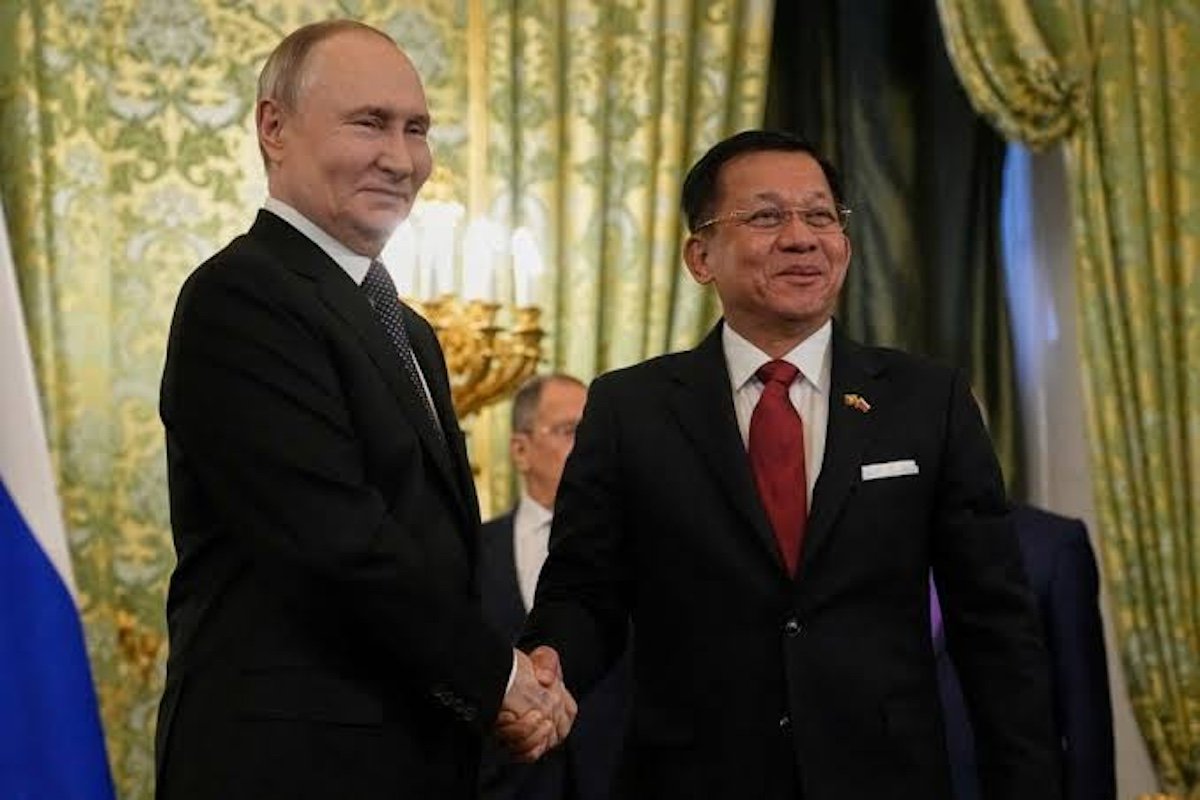
Coinciding with the carnage, coup leader Senior General Min Aung Hlaing has traveled through Moscow and Minsk seeking investment, political cover, and commercial relationships that can help sustain his military rule.
His diplomacy comes as Myanmar's military expands an offensive around the planned Dawei Special Economic Zone in southern Tanintharyi Region — a project backed by Russia and tied to a proposed deep-sea port, oil refinery, and industrial hub on the Andaman Sea.
These events are overtly connected. They show a military regime trying to turn territorial control achieved through violence into strategic infrastructure, foreign investment, and international legitimacy.
Myanmar is no longer only a humanitarian catastrophe or an ASEAN problem. It is at risk of becoming an authoritarian hub where military repression, Russian strategic ambition, and sanctions-evasion networks converge.
That outcome would endanger Myanmar's people and weaken regional security, US-led sanctions enforcement, and the global rules-based order.
Dawei's dangerous bargain
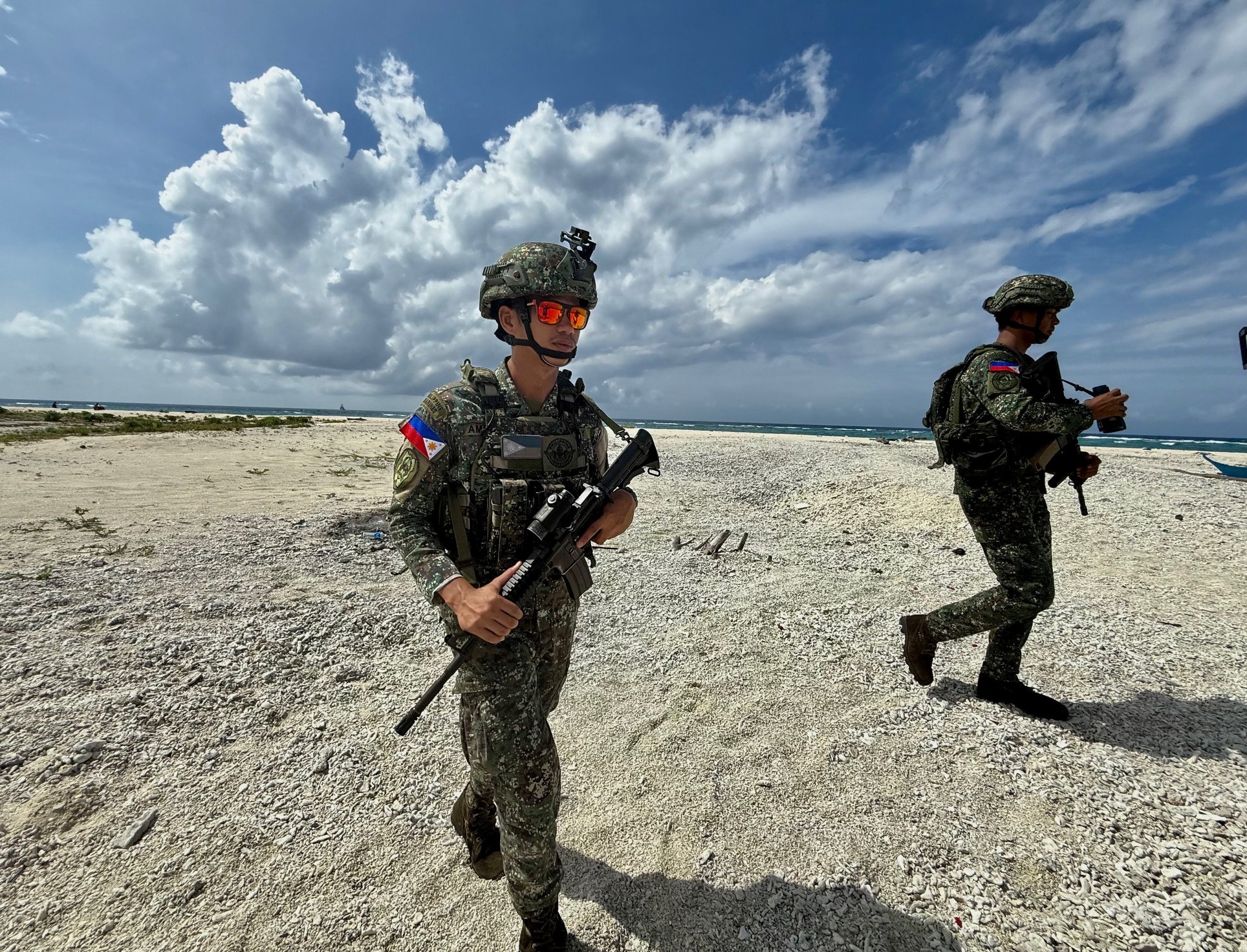
Reuters reported that Myanmar's military deployed hundreds of troops in Tanintharyi to clear areas marked for the planned Dawei Special Economic Zone. Resistance sources and a local activist told Reuters that troops burned villages and sealed off land. (Reuters said it could not independently verify those accounts.)
Myanmar authorities have long marketed the project as a gateway to South and Southeast Asia, potentially creating a cargo route that bypasses the congested Strait of Malacca. It includes a deep-sea port, power generation (potentially nuclear), and industrial facilities. The strategic rationale is obvious, but it must not obscure the cost of securing the project through conflict and displacement.
Russia and Myanmar signed an investment memorandum for the Dawei zone in February 2025, covering a port and oil refinery.
During Min Aung Hlaing's Moscow visit on August 18, Russian President Vladimir Putin said Russia was considering further cooperation on a refinery, hydrocarbon exploration and production, and liquefied natural gas supplies to Myanmar, including potential onward transit to neighboring countries. Putin also highlighted cooperation in energy, defense, and space.
The Russia-Myanmar relationship is therefore moving beyond arms sales and political protection and is rapidly becoming an infrastructure, energy, technology, and logistics partnership, potentially anchored in a military operation against the communities living around Dawei.
No port can be described as development if land is secured through coercion, village burnings, or attacks on civilians. Banks, insurers, shippers, contractors, and investors connected to Dawei should face enhanced human-rights due diligence.
Governments should make clear that infrastructure enabled by forced displacement or military abuses cannot be treated as a legitimate commercial asset.
Sanctions-enforcement test
Dawei is only one part of the risk. Maritime reporting based on Windward data has found that Russia-linked tankers have begun falsely flying Myanmar and Syrian flags.
Myanmar does not operate an international ship registry, meaning any tanker claiming a Myanmar flag should immediately draw scrutiny from insurers, port authorities, banks, traders, and sanctions-enforcement agencies.
The reports do not establish that Myanmar's authorities approved the misuse of its flag or coordinated with individual tankers. But they do highlight why Myanmar should be regarded as an expanding sanctions-evasion-risk jurisdiction, characterized by weak transparency, a military regime seeking foreign currency and investment, and growing Russian commercial ties giving it potential access to strategic port infrastructure.
US Treasury Secretary Scott Bessent's new sanctions campaign against Iran offers a relevant lesson. Washington has warned that companies and countries maintaining business ties with Iran can face secondary sanctions, particularly where they facilitate revenue flows and sanctions evasion through shipping, oil, aviation, technology, gold, and digital assets. As Bessent's ultimatum makes clear, the US is willing to use the dollar system as leverage.
Myanmar warrants comparable scrutiny. Any credible evidence that Myanmar-based entities are purchasing, financing, transporting, or facilitating Iranian petroleum products should trigger investigation by US authorities and heightened due diligence by banks, insurers, shipping firms, and port operators.
The relevant question is not whether every Myanmar-Iran commercial transaction is illegal. It is whether transactions involve sanctioned entities, prohibited financial services, deceptive shipping, opaque ownership, or conduct that exposes participants to secondary sanctions.
The response should be precise, not punitive toward Myanmar's ordinary people. Target the military's procurement, energy, and commercial networks — not Myanmar's civilian population. Foreign companies, brokers, and financial institutions should not be able to plead ignorance while facilitating a system that enables military rule and potentially provides channels for sanctioned commerce.
No legitimacy for military rule
Min Aung Hlaing's Moscow and Minsk tour was designed to demonstrate that the junta controls Myanmar and remains a viable international partner for those willing to engage it. ASEAN and other governments should not validate that claim.
ASEAN's Five-Point Consensus on Myanmar's crisis calls for an immediate cessation of violence. Yet recent diplomacy has increasingly shifted toward the weaker language of a "reduction of violence" and calibrated engagement. That change is not semantic. "Cessation" establishes a clear demand. "Reduction" risks treating ongoing attacks on civilians as a bargaining chip. As Myanmar's junta tries to abolish the ASEAN test it cannot pass, the bloc must hold the line.
The international community must recognize that engaging the junta on infrastructure or energy projects only prolongs its survival. Instead, it should isolate the military's commercial networks, support civil society, and press for a genuine political transition. The stakes are not just Myanmar's future but the credibility of regional order and the global fight against sanctions evasion.