Israeli Prime Minister Benjamin Netanyahu on Friday ordered the Israel Defense Forces to impose an immediate lockdown on Hebron and prepare for a full closure of the occupied West Bank, following a gun battle that reportedly left two Palestinians dead and at least five Israeli soldiers wounded.
In a statement posted to social media after an emergency meeting with his security cabinet and top military advisers, Netanyahu blamed Hamas for the incident, accusing the group of “planning a major attack aimed at murdering innocent civilians.” He claimed that “large quantities of weapons and ammunition” had been discovered but provided no details on the alleged plot.
Far-right Finance Minister Bezalel Smotrich, who arrived at the scene shortly after the shooting, warned that a “comprehensive military operation” in the West Bank would soon be underway. He called for the Palestinian Authority to be “dismantled,” advocated for large-scale operations similar to those in Gaza and Lebanon, and pushed for increased demolition of Palestinian homes.
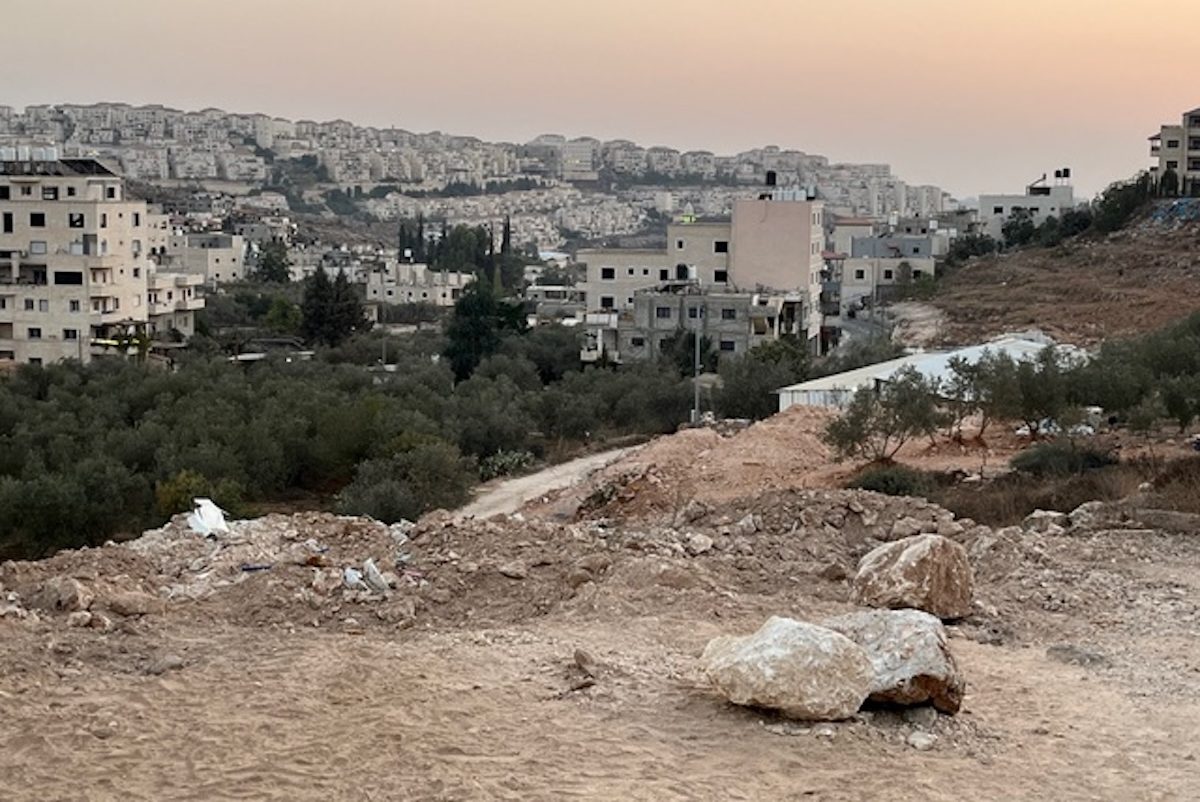
“There is no alternative to a comprehensive military operation in Judea and Samaria that will lead to the dismantling of the Palestinian Authority, the confiscation of weapons and the elimination of terrorists,” Smotrich said. “Just as in Gaza and Lebanon.” He added that demolitions near the site of Friday’s incident would begin “within the next hour” and continue through the afternoon.
Critics decry collective punishment
Mustafa Barghouti, founder and leader of the Palestinian National Initiative (PNI), condemned the lockdown as “an act of collective punishment.” He accused Netanyahu of planning “the ethnic cleansing of entire neighborhoods in Hebron,” calling it “an alarming escalation in Israel’s policies of forced displacement and a flagrant violation of international law.” Barghouti urged the international community to intervene to prevent forcible displacement and hold those responsible accountable.
Yariv Oppenheimer, former director of Peace Now and a project director at the Geneva Institute, told Al-Jazeera that Israeli leaders would use the incident to tighten their grip on the West Bank, where violence by settlers and IDF operations have already created a volatile environment. “The Israeli army is getting into the Palestinian cities, the settlers are attacking Palestinians, and the situation is impossible,” he said.
Oppenheimer predicted that Netanyahu’s government would exploit the attack to push “more propaganda” justifying further violence. “There will be house demolitions. We will see curfews. We will see more soldiers making arrests, and definitely we might see the settlers trying to target Palestinians in revenge for this attack,” he warned.
The escalation comes as Netanyahu faces domestic political pressure and as his government has accelerated West Bank land grabs while international attention shifts to Iran. The move also echoes earlier statements by Israeli defense officials, who have argued that Palestinian departure is the only solution for Gaza, raising concerns about similar policies being applied in the West Bank.
Human rights groups and Palestinian leaders have long condemned such closures as disproportionate and punitive, affecting millions of Palestinians who rely on freedom of movement for work, education, and healthcare. The full lockdown, if implemented, would sever the West Bank’s major cities from each other and from East Jerusalem, further entrenching the occupation.
As the situation develops, the international community faces renewed calls to address the escalating violence and the humanitarian impact of collective measures. The coming days will likely see increased tensions, with both Israeli military operations and settler violence expected to rise.