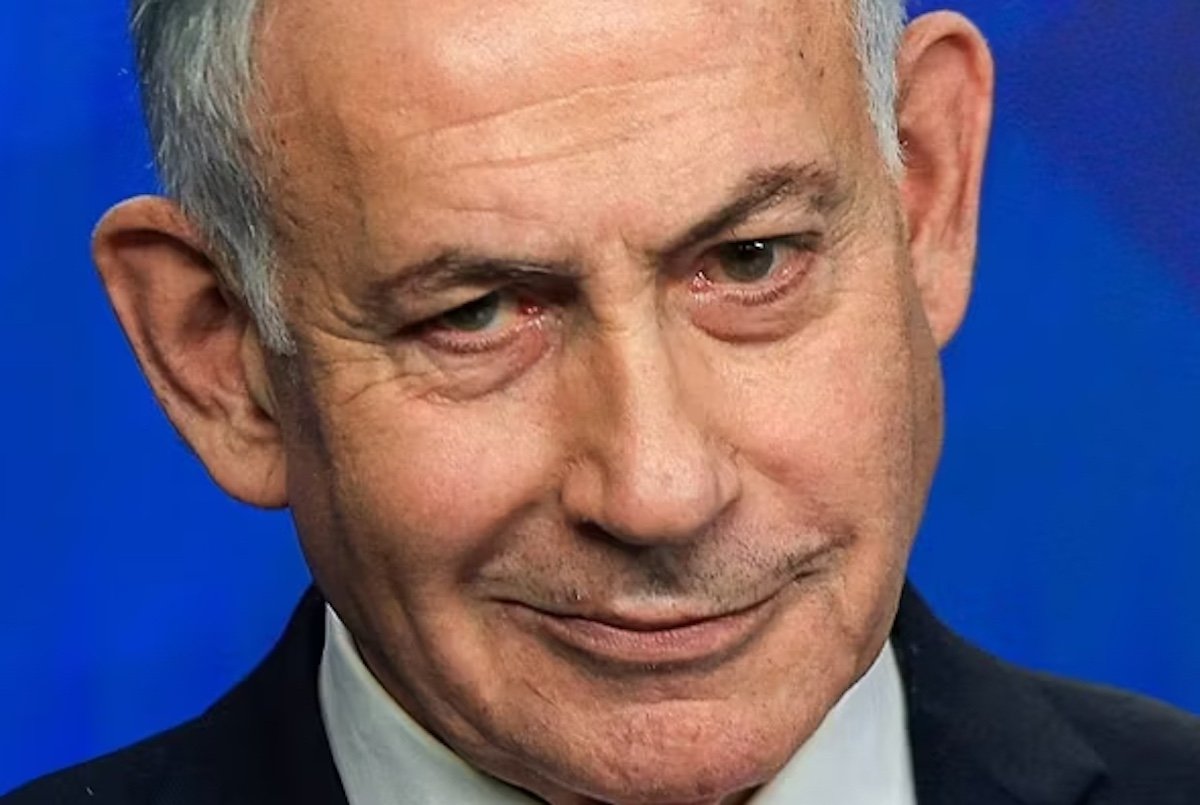
Israel's right-wing government, led by Prime Minister Benjamin Netanyahu, is intensifying its decades-long campaign to consolidate control over the West Bank. Bands of settler militias, backed by the Israeli military, are systematically harassing Palestinian residents, destroying homes and livelihoods, and restricting movement across the occupied territory. The goal, analysts say, is to eliminate any realistic prospect of a viable Palestinian state alongside Israel—the so-called two-state solution that has been the bedrock of international diplomacy for decades.
Netanyahu, who has served as prime minister for a record 19 years across seven terms, has long opposed Palestinian sovereignty. His current coalition, dominated by ultra-nationalist parties, views the West Bank as an integral part of Israel. While the world's attention is riveted on the wars in Gaza, Lebanon, and the unprecedented direct confrontation with Iran, the West Bank is quietly boiling over, according to the Armed Conflict Location & Event Data project, a conflict monitor affiliated with the University of Texas.
Settlements surge as international pressure wanes
Since Netanyahu first took power in 1996, the Israeli settler population in the West Bank has grown from 140,000 to roughly 500,000. Since late 2023, more than half of the 360 settler outposts—many little more than shacks—have been established. There are 147 officially recognized, fully constructed settlements. About 3.4 million Palestinians live in the territory, often in densely populated towns and refugee camps.
The Israeli army has demolished scores of homes in recent months, often citing the presence of suspected militants. Some 30,000 refugees from previous conflicts have been forcibly displaced from three United Nations-run camps in Jenin and near Tulkarem, with military officials barring their return. According to Israeli and Palestinian human rights researchers, 740 homes were demolished in the first six months of 2026, affecting 1,923 residents, including 431 women and 546 children.
A typical incident occurred in the town of Nahallin, near Bethlehem, on July 20. Before dawn, soldiers entered the town and used bulldozers to level four houses, one belonging to the mayor. Residents threw stones, and three Palestinians were arrested. A week later, police ordered residents of another 14 homes to evacuate, without providing reasons. Often, demolitions are justified on the grounds that structures were built without Israeli permits—permits that are almost never granted to Palestinians.
Israel's strategy appears to be to drain Palestinian population centers like Nahallin, take over the land, and connect existing settlements. The plan, critics say, is to create a new reality on the ground that makes a contiguous Palestinian state impossible.
Geopolitical orphan
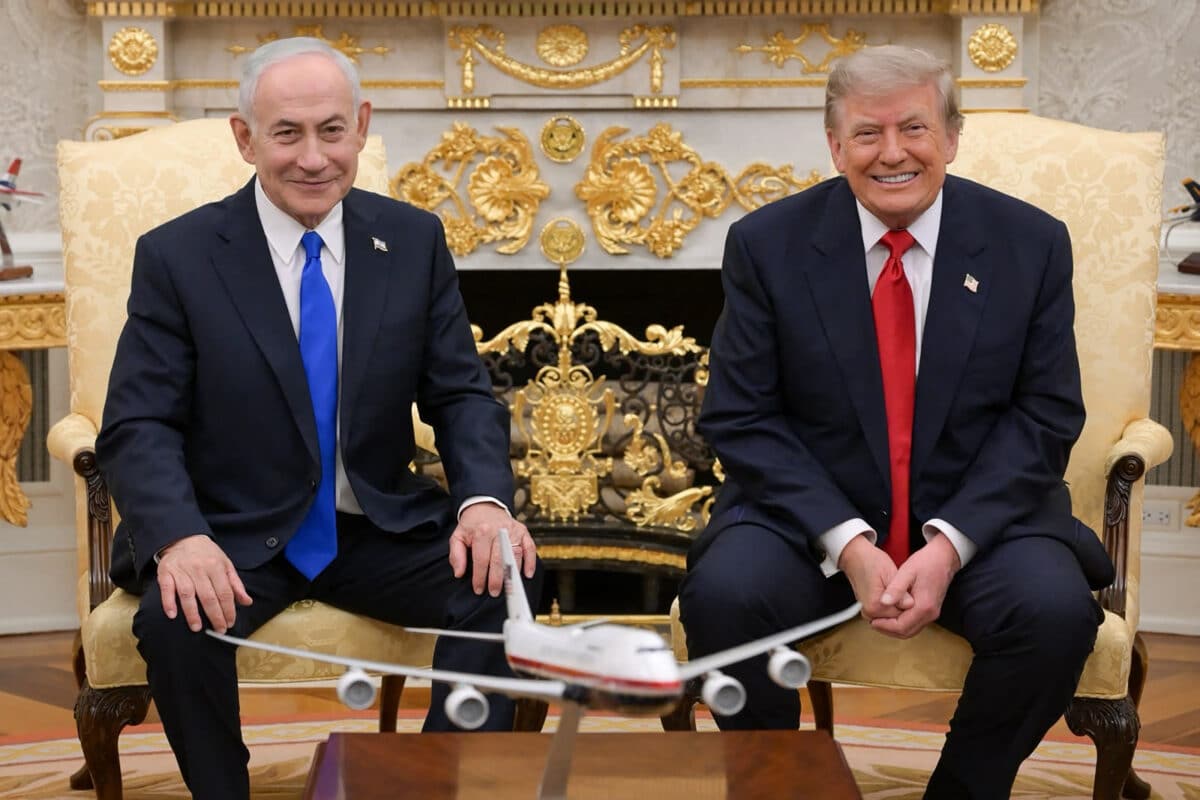
The West Bank has become a geopolitical orphan. Netanyahu's visit to Washington on Tuesday for talks with US President Donald Trump focused almost exclusively on Iran. A White House official said the meeting was “first and foremost about Iran,” with Trump eager to wind down the conflict while Netanyahu prefers a clear military victory over Iran and Hezbollah in Lebanon. The West Bank was not on the agenda, and Netanyahu did not raise it.
Iran, for its part, has shown little interest. The West Bank is not part of Tehran's designated Axis of Resistance, which includes Hezbollah, the Houthis in Yemen, and Hamas. A Western intelligence analyst noted that “Iran operates within a strict strategic hierarchy. The Lebanese arena is viewed as far more important than the Palestinians. Hamas is somewhat down the list of concerns and, anyway, was so battered by Israel that it is beyond use or help.” Iran's Foreign Ministry issued only a cursory statement on July 15 denouncing Israeli attacks and calling for international action.
Israel's allies in the United States and Europe continue to pay lip service to the two-state solution, but their inaction on the ground speaks louder. As Abed Aboul Shhadeh, a commentator for The New Arab, put it: “While the world is focused on the war in Iran, Israel is working at full speed to create a new reality on the ground.”
The implications for the broader Indo-Pacific region are indirect but significant. A destabilized Middle East diverts US attention and resources away from Asia, where challenges such as the AI race with China and tariff disputes demand focus. Meanwhile, countries like India and South Korea, which have growing ties with Israel, must navigate a volatile landscape that could affect energy prices and security alignments.
For now, Netanyahu appears determined to press his advantage. With international attention elsewhere, the window for a viable Palestinian state is closing fast.