In 1996, Israel's then-Prime Minister Shimon Peres seemed headed for a comfortable victory in parliamentary elections, with his center-left Labor Party poised to continue its rule. Peres had staked his campaign on a "land for peace" formula, offering Palestinians sovereignty over parts of the West Bank and Gaza Strip—a deal that would have ended eight decades of Arab-Israeli conflict.
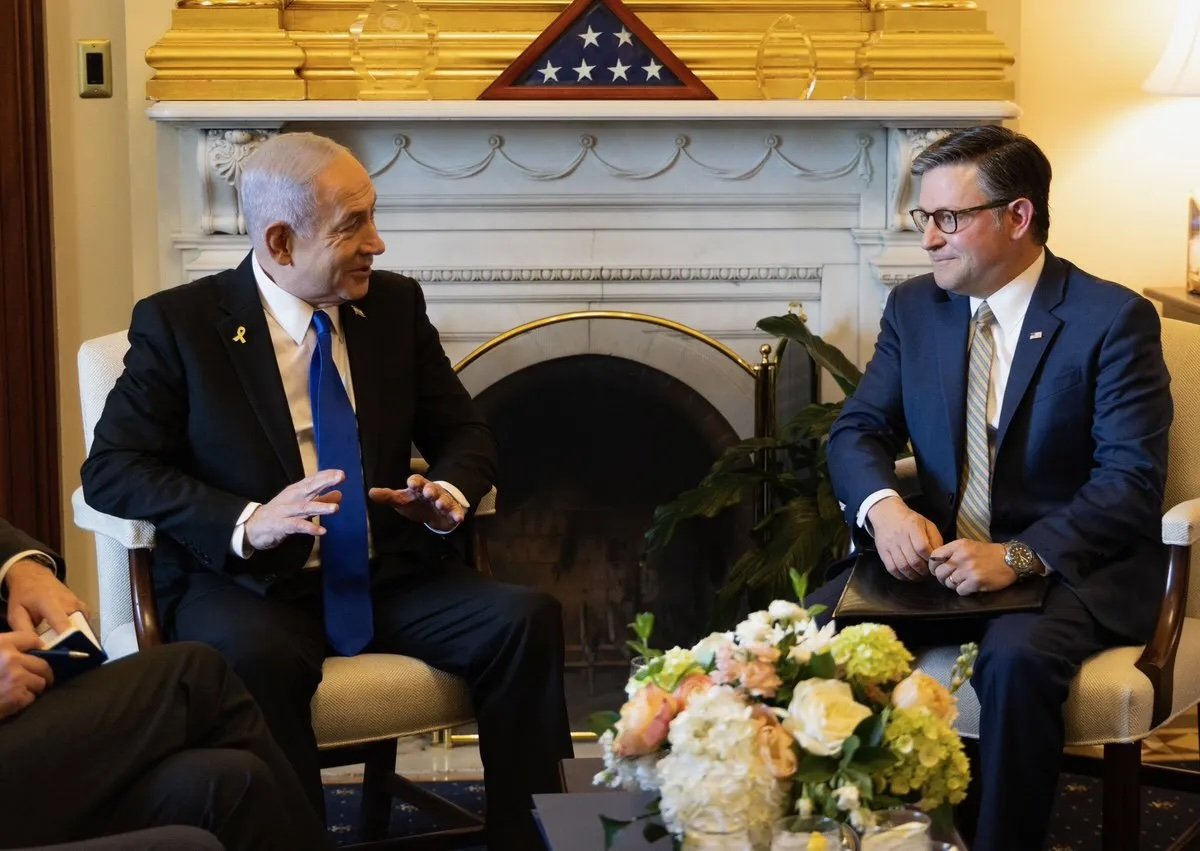
His opponent, Benjamin Netanyahu, then a young Likud leader, was making his first of what would become eleven campaigns. Netanyahu rejected Palestinian statehood, offering instead "peace for peace," under which Palestinians would remain under Israeli control or, better, migrate elsewhere. His ideas initially gained little traction; January polls showed Peres with a 20-point lead. But as the May vote neared, Hamas bombings of buses and a Tel Aviv nightclub killed 59 people. Peres's peace overtures suddenly seemed naive, even dangerous. He ordered a military retaliation, but the show of force failed to soothe a fearful public. Netanyahu's "peace through strength" message won him the election by a single percentage point.
Fast forward three decades, and Netanyahu is again on the ballot—this time as an incumbent under fire. Critics blame him for failing to protect Israeli citizens from the worst single crime against Jews since the Holocaust: the October 7, 2023, Hamas attack that killed more than 1,200 people, including women and children. The raiders infiltrated southern Israeli communities via hand gliders. Netanyahu has acknowledged no shortcomings. He quickly launched a military campaign that dwarfs any previous strike against Palestinians: a ground, air, and artillery assault that flattened much of Gaza, with Hamas officials reporting at least 70,000 deaths.
The war has spiraled into a wider regional conflict. Iran and its allies—Hezbollah in Lebanon and the Houthis in Yemen—have launched missile and drone attacks on Israel. Israel invaded and partially occupied Lebanon to weaken Hezbollah. A joint American-Israeli aerial assault on Iran aims to cripple its nuclear program or, as US President Donald Trump might announce on any given day, to end Islamic rule in Tehran or secure Persian Gulf and Red Sea trade routes. Iran has attacked American allies in the Gulf; the Houthis have struck Saudi Arabia; some Gulf states have retaliated with rockets; and the Saudis have bombed Yemen. Meanwhile, Israel has expanded control over the West Bank through conventional military action and support for civilian gangs harassing Palestinian communities.
Voters face a stark choice
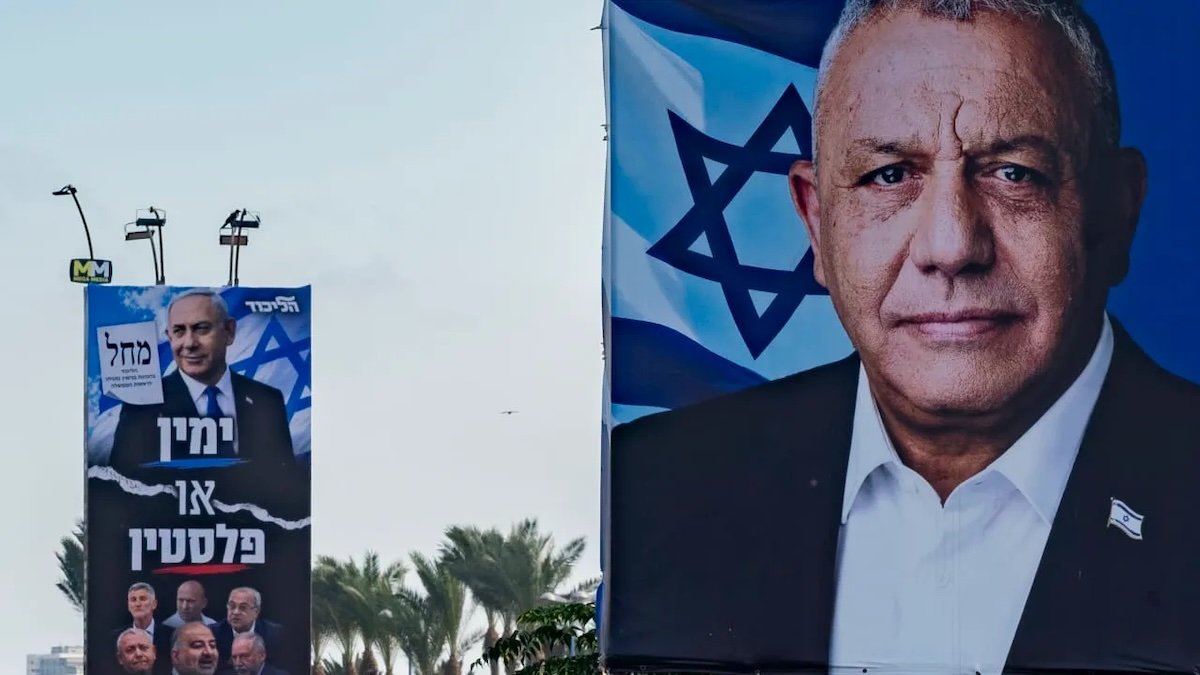
Despite the tumult, it is unclear whether voters will punish Netanyahu in Tuesday's election. On one hand, 90% of Israelis surveyed support his war on Iran. On the other, 72% think he should take responsibility for the October 7 massacre and resign, according to the Israel Democracy Institute, a Tel Aviv think tank. Political surveys show a neck-and-neck race with his main opponent, Gadi Eisenkot, a former army general whose Yashar Party slightly leads.
Eisenkot is a kind of Netanyahu Lite, differing little on foreign policy and defense. He wants to dismantle and disarm Hamas, continue West Bank settlement development, and contain Iran through economic blockades and isolation rather than bombing. His one clear differentiation is a public persona of honesty—a stark contrast to Netanyahu, who has battled corruption accusations for years. Even the party's name makes the pitch: Yashar means "straight" in Hebrew, a synonym for honesty. Whether that self-description carries him to high office remains to be seen.
The election's outcome will have profound implications for the region. A Netanyahu victory would likely mean continued military escalation and further erosion of international support, as seen in shifting American opinion and new sanctions on settlements. An Eisenkot win could signal a shift toward a more pragmatic, though still hawkish, approach. For now, Israeli voters are weighing security fears against accountability for a catastrophic failure.