For centuries, global order was defined by empires: Rome, Britain, and the United States each projected power through control of seas, finance, or military bases. But the Pax Britannica and Pax Americana models are fading. The twin pressures of overstretching and economic stress—visible in America's $36 trillion debt, social polarization, and eroding trust in institutions—signal a structural shift. The question now is not which nation will lead next, but what form leadership will take.
History shows that global dominance is not linear. Each era has its own logic: Britain's rested on London's capital markets and naval supremacy; America's on the Federal Reserve, Bretton Woods, Hollywood, and 800 overseas bases. Today, that logic is being replaced by something more distributed. Power is concentrating not in land mass but in nodes of influence—digital networks, data pipelines, and technological ecosystems.
The Network-Driven Order
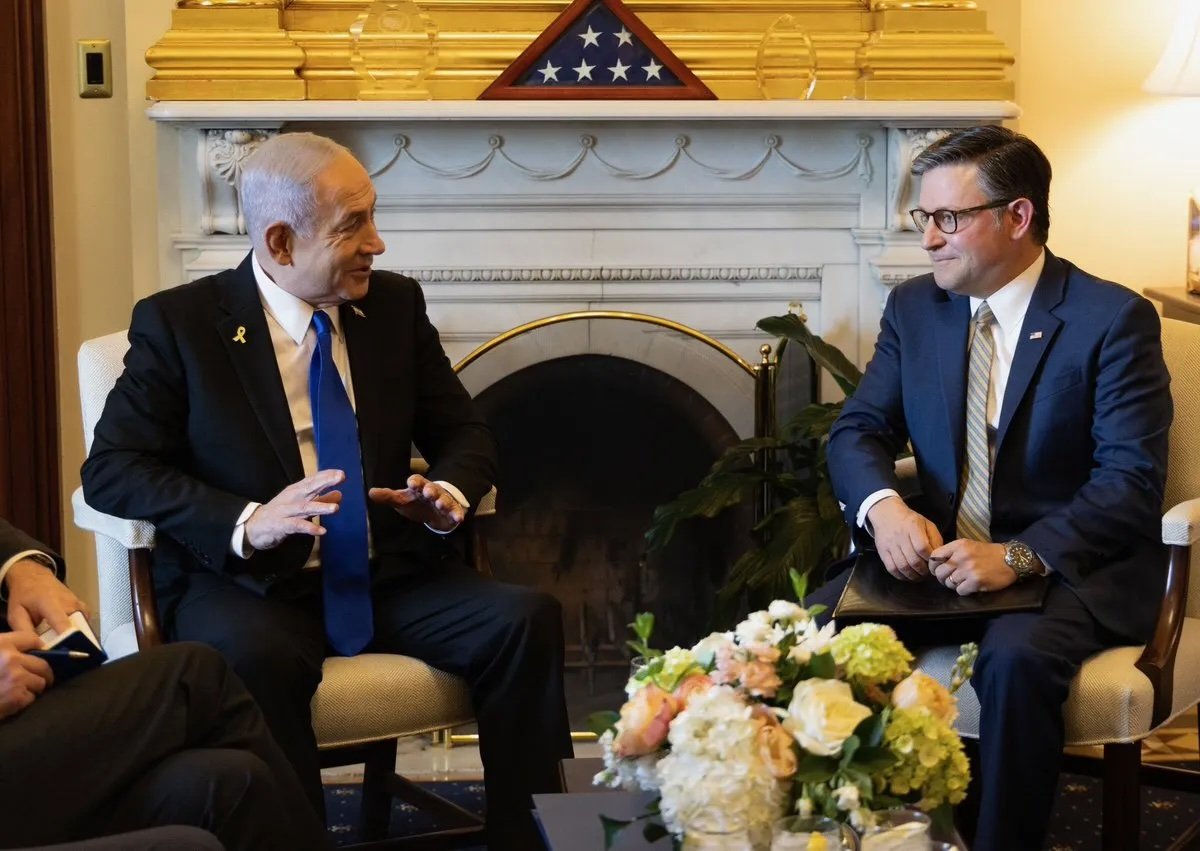
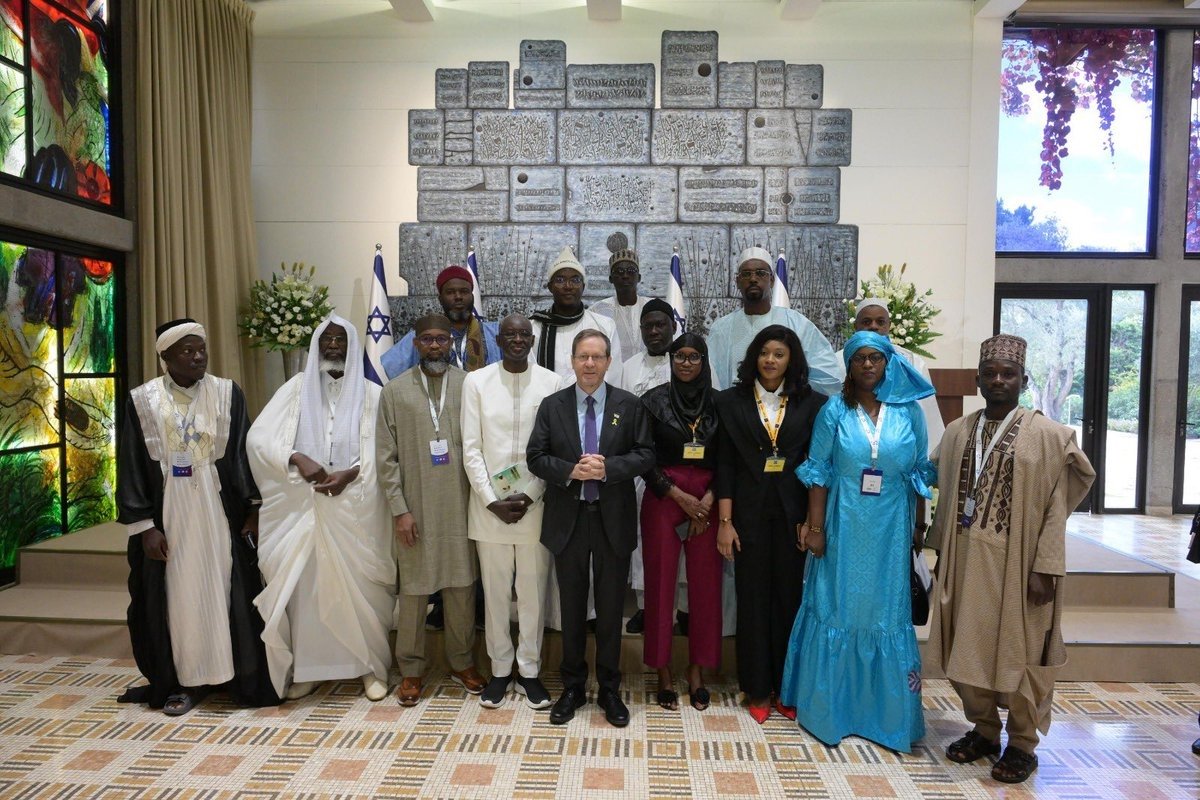
Israel offers a compelling case. Despite its small size and population, it has built a formidable ecosystem in cybersecurity, artificial intelligence, cloud infrastructure, semiconductor supply chains, and undersea data cables. These are the infrastructure of modern geopolitics. The Abraham Accords have expanded its regional ties, while initiatives like the IMEC Project—linking India, the Middle East, and Europe through Haifa port—position Israel as a strategic hub. In this framework, influence is less about scale and more about connectivity. As one analyst put it, Israel may not rule the world, but it could run the operating system on which the world operates.
This shift is not limited to the Middle East. Across the Indo-Pacific, nations are competing to become platforms others depend upon. The Strait of Malacca remains a critical chokepoint, but the real competition now is over data routes, undersea cables, and cyber capabilities. Countries like Singapore, South Korea, and Japan are investing heavily in digital infrastructure, recognizing that connectivity—not territory—is the new currency of power.
Russia and the Persistence of Territorial Power
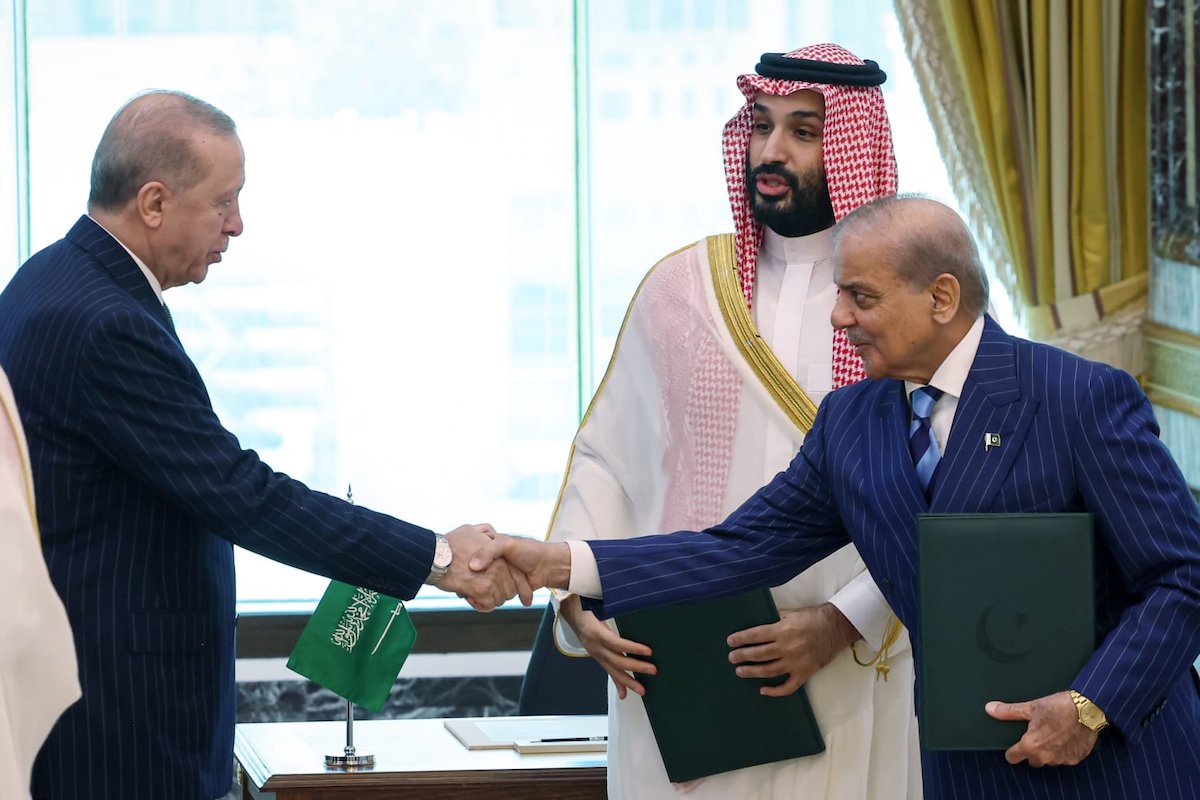
Yet older logics have not vanished. Russia exemplifies a traditional model rooted in territorial control, energy leverage, and military projection. Its actions in Ukraine and Syria show that physical space still matters. Russia compensates for its weak digital ecosystem with geography, natural resources, and defense capabilities. The emerging divide is not simply East vs. West or democracy vs. authoritarianism; it is structural. One model prioritizes networks—data, technology, interdependence. The other prioritizes space—territory, resources, physical control. These systems operate on different logics, making friction inevitable.
This fragmentation produces a world that is neither unipolar nor fully multipolar, but a network of overlapping systems. The real danger is misreading the moment. Nations that cling to 20th-century definitions of power—more troops, more territory, more output—risk irrelevance. The rules have changed. Leadership no longer requires controlling everything; it requires being central to how everything works.
For Asia, this has profound implications. China's Belt and Road Initiative, India's digital public infrastructure, and Japan's tech partnerships all reflect attempts to build network-based influence. Meanwhile, the 'Chinamaxxing' trend highlights the soft power dimension. The future belongs to those who can integrate innovation, capital, and partnership into resilient networks. The question for policymakers in New Delhi, Tokyo, Seoul, and Jakarta is whether they are building for the old world or the new.