The war in Iran has severed a critical artery of global energy supply. Since hostilities erupted in late February, Tehran has largely blocked shipping through the Strait of Hormuz, a chokepoint that carries roughly one-fifth of the world's oil. The result has been sporadic price spikes above US$100 a barrel and a deepening crisis for Asian economies that depend overwhelmingly on Gulf energy.
According to 2025 data from the International Energy Agency, nearly 80% of the oil and petroleum products and close to 90% of the liquefied natural gas that transited the strait that year were destined for Asia. That dependence means the region is absorbing the shock more acutely than any other part of the world.
Structural vulnerabilities divide Asia
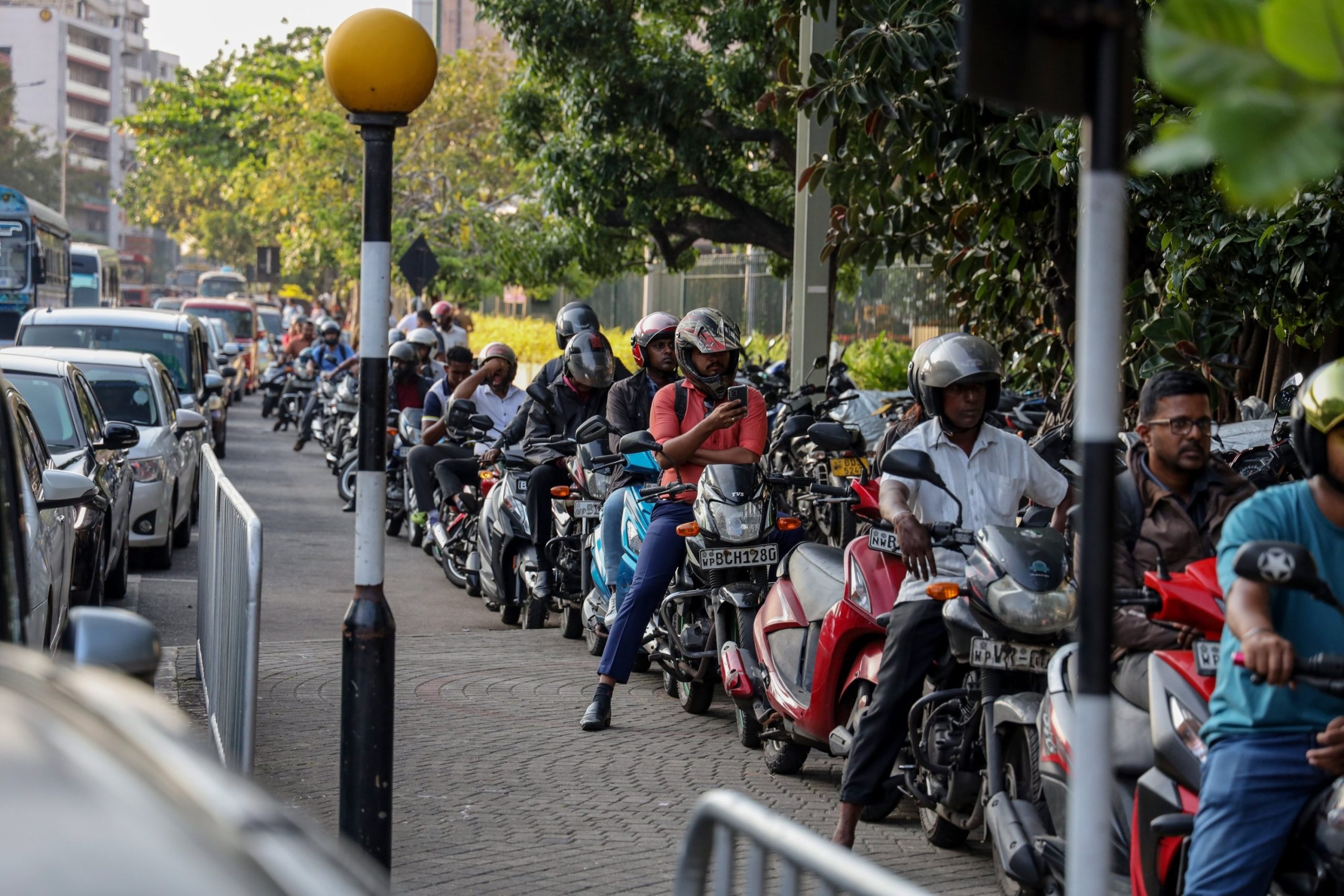
Not all Asian states are equally exposed. The hardest-hit share three characteristics: heavy reliance on imported fossil fuels, limited fiscal space, and rigid energy systems that cannot quickly pivot to alternatives. Bangladesh, Pakistan, and Sri Lanka fit this profile precisely. They import most of their oil and gas but lack the foreign-exchange reserves to secure supplies when markets turn volatile. When prices spike or shipments tighten, these governments face brutal trade-offs between keeping lights on, controlling inflation, and maintaining fiscal stability.
Wealthier economies such as Japan, South Korea, Hong Kong, and Singapore have deeper pockets and better purchasing power. Yet they remain structurally exposed because their energy systems are also built around Gulf imports. Japan and South Korea have both launched record-breaking releases from their state oil reserves since the war began. But those stockpiles—roughly 200 days of oil for each—are designed for short-term disruptions, not prolonged blockades. China, with its vast domestic coal and gas production plus enormous strategic reserves, is in a stronger position, but even Beijing faces higher import costs.
For a deeper look at how the crisis is reshaping alliances, see our analysis: US-Iran Stalemate in Hormuz Strains Alliances, Reshapes Asian Energy Security.
Governments ration mobility and power
Across the region, authorities have moved to curb demand. The Philippines, Pakistan, and Sri Lanka have introduced four-day workweeks or extended public holidays to reduce commuting and fuel consumption. Pakistan has also mandated hybrid work for civil servants, while Bangladesh brought forward Ramadan university holidays. Myanmar's military junta has imposed fuel rationing and restricted private vehicles to alternating days based on license plate numbers.
Thailand has taken a softer approach, raising recommended air-conditioning temperatures to 27°C and encouraging office workers to swap suits for short-sleeved shirts. Indonesia has allocated tens of billions of dollars to keep fuel and electricity affordable, and Thailand has capped cooking-gas prices while promoting biodiesel. But these subsidies are proving unsustainable, especially for lower-income countries. Pakistan initially targeted subsidies for farmers and transport but has been forced to scale them back as the crisis drags on.
The most consequential response has been in the power sector. Several nations have reverted to coal—a fuel many had been phasing out. Thailand has restarted two decommissioned units at the Mae Moh coal-fired plant. South Korea and Japan have lifted restrictions on coal generation, allowing older plants to run at higher capacity. This shift risks entrenching coal use and complicating global climate goals, as explored in Iran Conflict Prompts Indo-Pacific Nations to Reassess Nuclear Energy and Security Postures.
The crisis has exposed deep structural flaws in Asia's energy architecture: import dependence, limited diversification, and fiscal constraints. The stopgap measures—demand reduction, subsidies, and fuel switching—may buy time, but they are not sustainable. If the disruption persists, governments will be forced to rethink their energy strategies more fundamentally. That could accelerate investment in renewables and nuclear power, as well as regional energy integration. But it could also lock in coal dependency, undermining climate commitments.
Either way, the current turmoil is a stark reminder that energy security and economic stability are tightly intertwined. A single chokepoint, blocked by conflict, can send shockwaves through the entire global economy—and Asia, as the primary customer of Gulf energy, is feeling the worst of it.