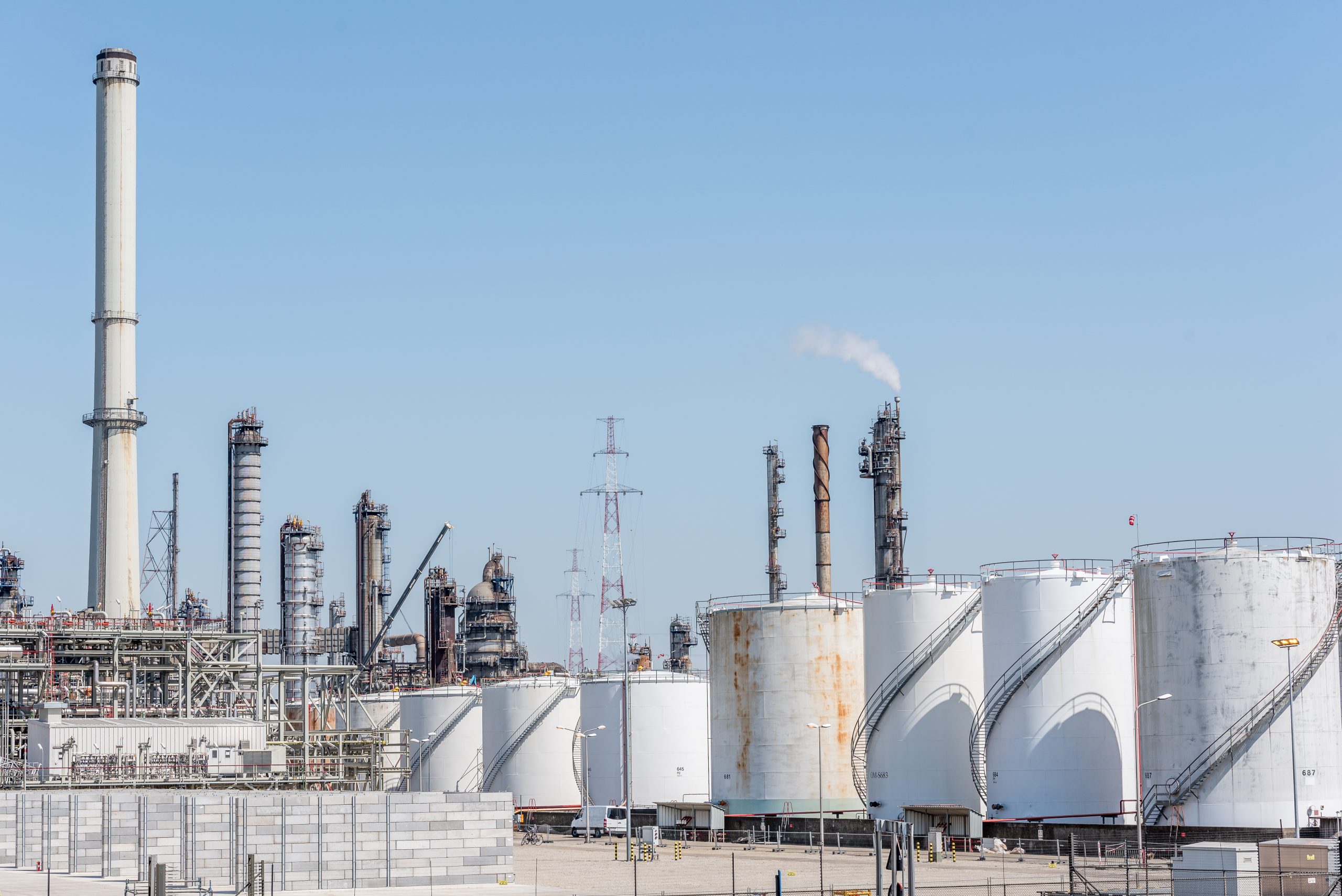
The OPEC+ coalition, comprising the Organization of the Petroleum Exporting Countries and allied producers like Russia, will convene online this week to deliberate on extending its coordinated production cuts. The move is widely anticipated as the global economy, particularly major Asian energy consumers, continues to grapple with the pandemic's fallout on fuel demand.
At stake is the scheduled tapering of cuts from 7.7 million barrels per day to 5.8 million bpd starting in January 2021. Most market analysts expect the group to postpone this easing by three to six months. While vaccine breakthroughs from AstraZeneca, Pfizer/BioNTech, and Moderna offer a long-term demand lifeline, OPEC+ is focused on shoring up prices for the first half of the coming year.
Internal Tensions and Compliance Challenges
Despite a likely consensus on an extension, the 23-nation bloc is not without friction. The memory of the March 2020 price war between Saudi Arabia and Russia remains potent. More recently, the United Arab Emirates has expressed reservations about maintaining strict cuts into 2021. Furthermore, Saudi Energy Minister Prince Abdulaziz bin Salman has repeatedly admonished members like Iraq and Nigeria for exceeding their assigned quotas.
The group's success hinges on collective discipline. Current crude prices, hovering around $45-$50 per barrel for benchmarks like Brent and West Texas Intermediate, are a fragile recovery from April's historic crash. OPEC+ must also account for falling production in the United States, where President-elect Joe Biden's expected modest curbs on fracking may limit a rebound.
Asian Implications and Exempt Producers
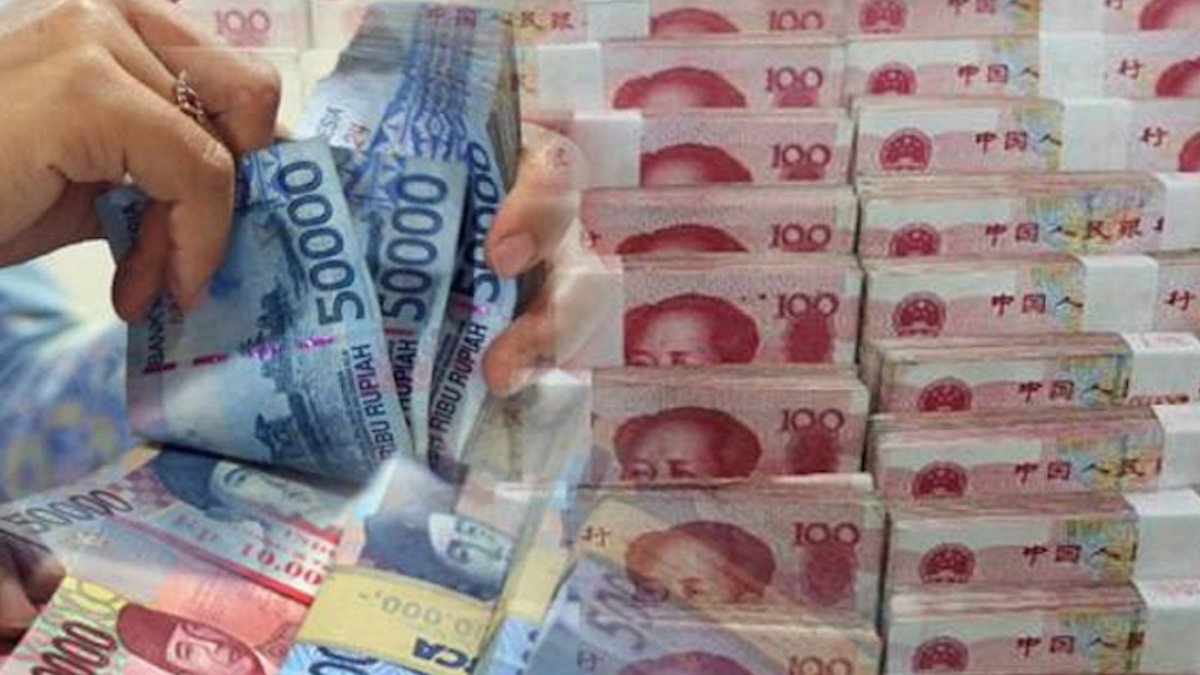
For Asia, a network of the world's top oil-importing economies, the OPEC+ decision carries significant weight. Stable, predictable energy costs are crucial for the recoveries of manufacturing powerhouses like China, Japan, and South Korea, and for growing giants like India and Indonesia. A sustained cut supporting higher prices could increase import bills and inflation pressures across the region.
Within OPEC's own ranks, the situation of three exempt members—Libya, Iran, and Venezuela—adds complexity. Libya's output, overseen by its National Oil Corporation, has surged past one million bpd following a ceasefire. Iran's potential return to the global market poses a larger long-term question. Should the incoming U.S. administration under Biden pursue détente and ease sanctions, hundreds of thousands of Iranian barrels could swiftly re-enter the market, applying fresh downward pressure on prices.
This dynamic connects directly to regional security. Iran's economic fortunes and its geopolitical posture in the Gulf are tied to its oil revenue. Developments here could influence the strategic calculations of Gulf Arab states and affect global chokepoints like the Strait of Hormuz, through which a substantial portion of Asia's energy imports flow. For context on regional tensions, see our analysis on the protracted US-Iran-Israel conflict.
The longer-term energy landscape is also being reshaped by great power competition. The United States and China are vying for leadership in future technologies, including fusion energy, which could eventually alter global supply chains. This contest is detailed in our report on US and China competing to build fusion energy supply chains.
Ultimately, this week's OPEC+ meeting is a balancing act between supporting prices in a still-weak market and ceding further market share to non-OPEC producers. The outcome will resonate through the economies of East Asia, South Asia, and Southeast Asia, where the pace of industrial recovery and consumer spending is intimately linked to the cost of energy.