The recent US-China summit in San Francisco yielded no breakthrough on the two issues that most divide Washington and Beijing: Iran and Taiwan. Some analysts had speculated about a grand bargain—Chinese pressure on Tehran to keep the Strait of Hormuz open in exchange for American restraint on the island. That deal did not materialize, but the connection between these two flashpoints runs deeper than any hypothetical trade.
The Pentagon's ongoing military campaign against Iran, a middle power, is prompting uncomfortable questions about how the United States would fare in a conflict with China, its only near-peer rival. As Jennifer Kavanagh wrote recently in the New York Times, “the United States finds itself facing strategic defeat by a weaker adversary” in Iran. She noted that the Pentagon is waging the Iran war much as it would against China: relying heavily on air and naval power, keeping surface fleets far from the enemy coast, and deploying large numbers of drones and stand-off, stealthy missiles.
Iran has proven far more resilient than Washington anticipated. Tehran's strategy of feigning weakness—a tactic traceable to the ancient Chinese strategist Sun Tzu—may have lulled American planners into underestimating its capabilities. The same miscalculation could be at work in the Asia-Pacific.
Missiles, Satellites, and Vulnerable Bases
A core element of Iran's success has been its use of large numbers of mobile, accurate, short-range ballistic missiles. China, notably, built the world's largest conventional short-range missile force two decades ago. Tehran supplements its missiles with drones and satellite intelligence, and many suspect Beijing has provided both drone technology and real-time targeting data during the current conflict. China today operates a satellite constellation capable of tracking all major US military platforms, including aircraft carriers, in real time.
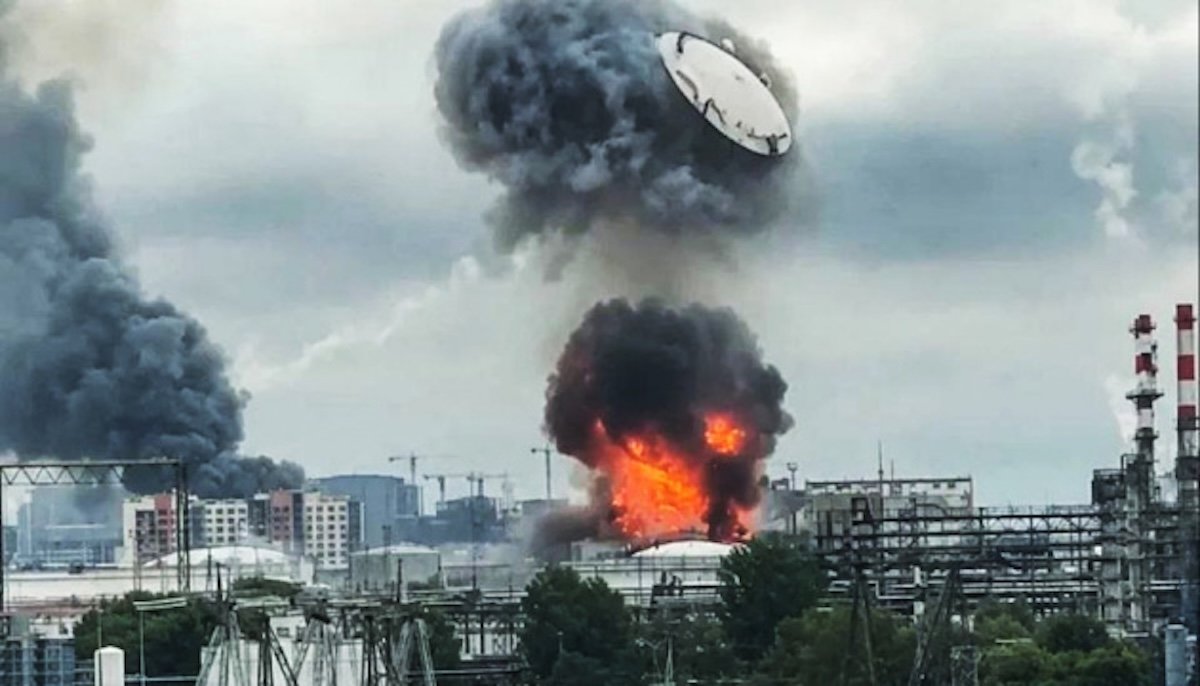
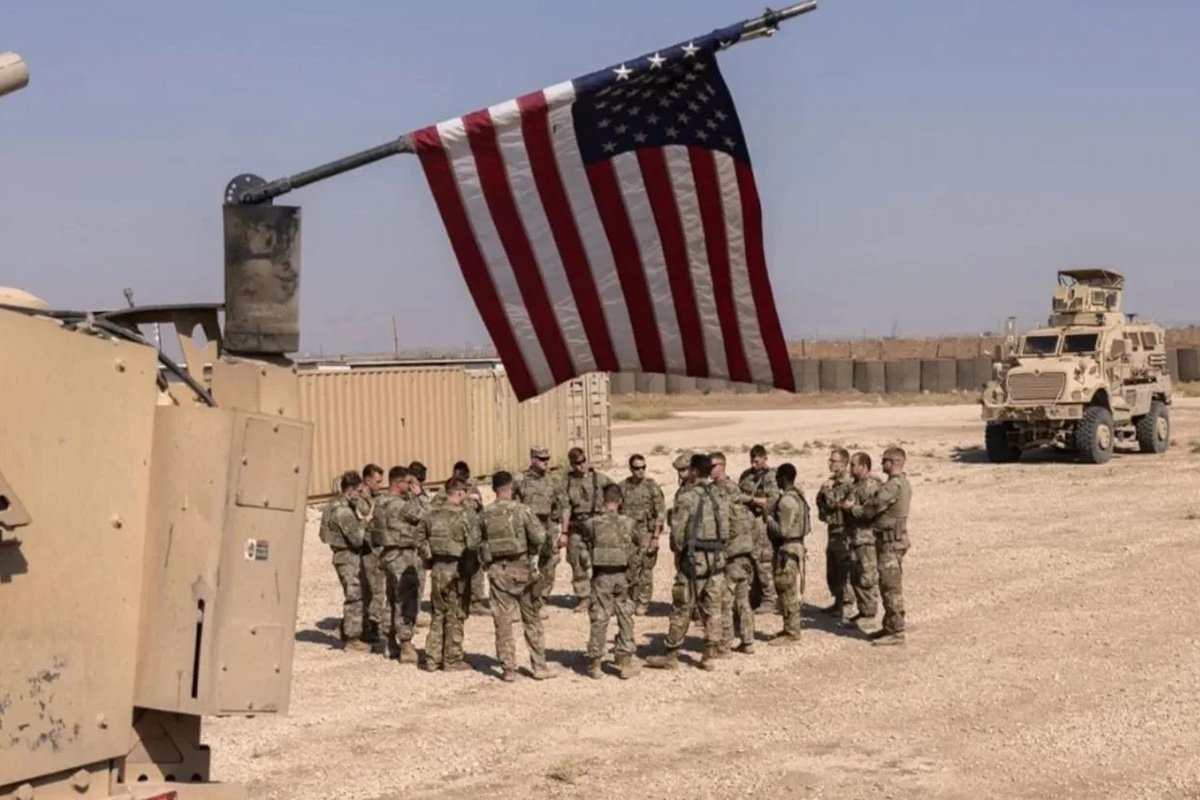
One of the clearest lessons from the Iran war is that US bases on allied territory are prime targets. Iranian missile and drone strikes have hit expensive radars, early warning aircraft, and refueling planes on the ground. This has worrying implications for American bases across East Asia. Japan's facilities, for instance, are better defended than those in the Gulf, but they lack hardened shelters against missile and drone attacks. As Iran has done, Beijing could also strike undefended civilian infrastructure—power stations or ports—to coerce allies.
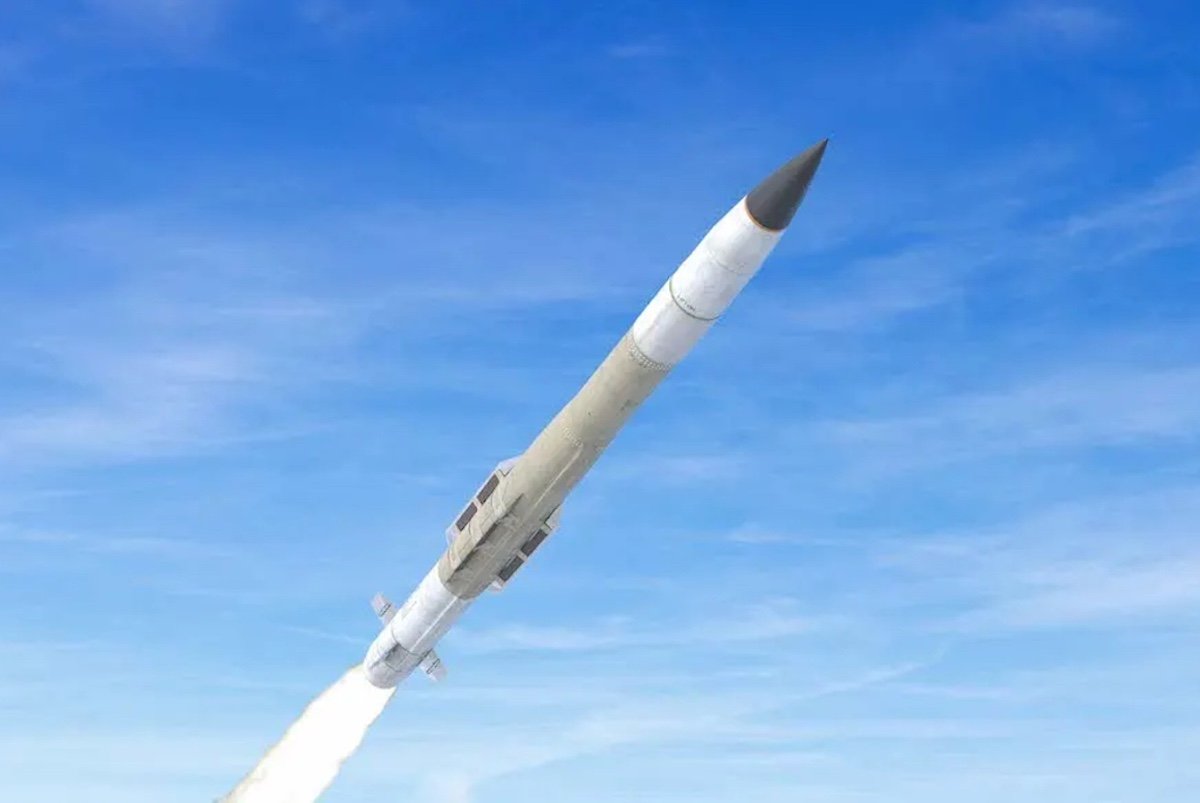
Munitions stocks are another concern. Even before the Iran conflict, many strategists believed the US was short on weapons needed for a war with China. While torpedoes have seen little use against Iran, Patriot interceptors and air-launched cruise missiles like LRASM and JASSM are assessed to be severely depleted.
Blockades and the Balance of Fervor
The parallels extend to naval blockades. Many experts believe China could successfully blockade Taiwan, which imports most of its food and energy. A US counter-blockade would be likely, given Washington's lack of low-risk options. But unlike Iran, China fields a world-leading navy with modern destroyers, submarines, and anti-ship cruise missiles that surpass US capabilities.
Wars are not won by weapons alone, but by people willing to sacrifice. The US military has struggled against highly motivated opponents—the Vietcong, the Taliban, the Houthis. In the current conflict, the “balance of fervor” favors Iran, as the Trump administration has put Tehran on “death ground,” where its survival is threatened. In a Taiwan scenario, similar logic applies: Beijing views the island as a core interest, while most Americans know little about it.
Simple common sense dictates that Washington should be ultra-cautious about a war with China. Unlike Iran, China is a genuine superpower, with advanced nuclear systems, formidable conventional forces, and the world's leading manufacturing base. Combined with favorable geography and motivation, a Taiwan scenario appears untenable from the US perspective.
Some argue Taiwan is more important to global security than Iran, but that reasoning is specious. No US vital interests are at stake in the Taiwan Strait. President Trump's recent remarks on the matter have sent shockwaves through Washington's foreign policy elite, but they reflect a growing recognition that the costs of a confrontation with Beijing would far outweigh any benefits. As the Pentagon struggles against a middle power in the Middle East, the prospect of taking on a superpower in East Asia should give any strategist pause.