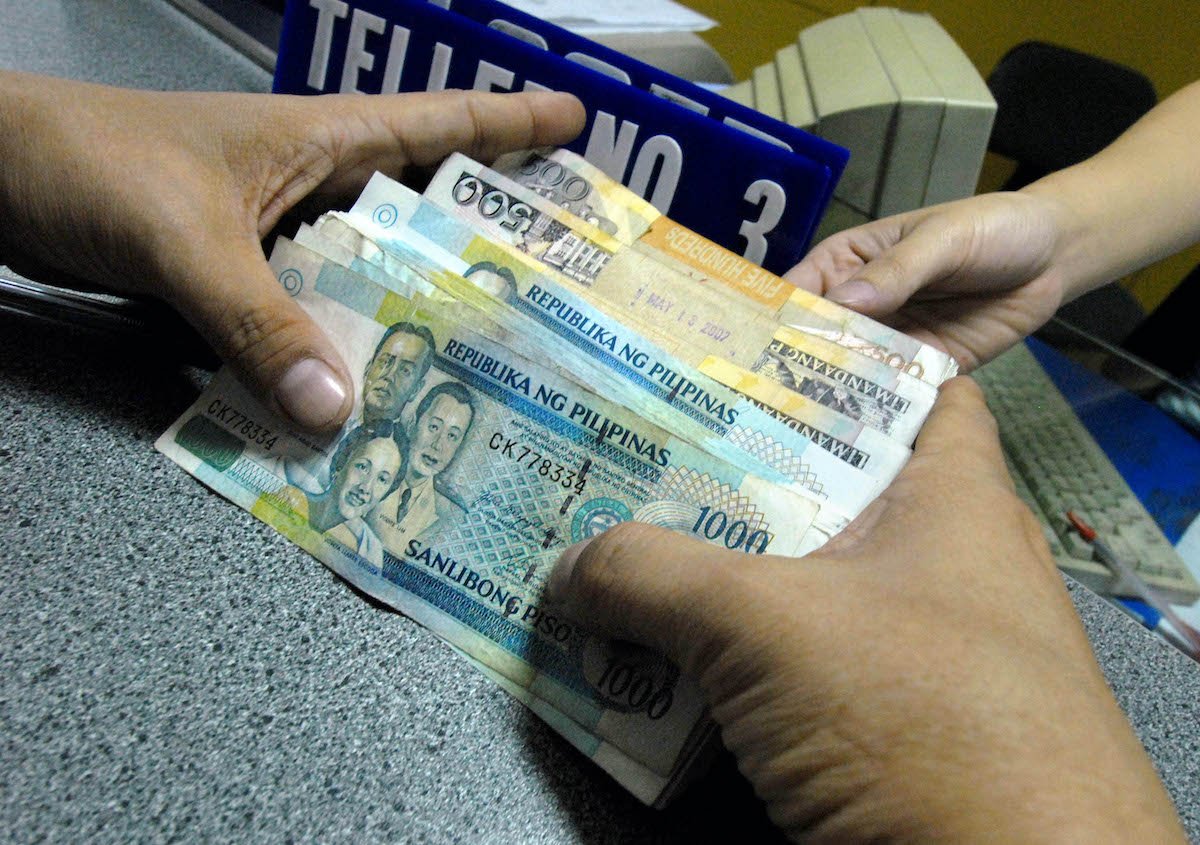
Manila is confronting an economic reality that policymakers across Asia fear: the Iran war has delivered its first major inflationary domino. The Philippines reported a 7.2% year-on-year inflation spike in April, roughly double the 3.4% growth rate recorded in the first quarter. The data, released by the Philippine Statistics Authority, has pushed the country into what economists call the stagflation zone — a scenario that President Ferdinand Marcos Jr. had not anticipated for his 2026 targets.
The breadth of the price increases is what alarms analysts. Food, transportation, and utilities have all surged, suggesting that second-quarter inflation could top 8%. That would all but guarantee a rate hike from the Bangko Sentral ng Pilipinas (BSP) in June, with HSBC economist Aris Dacanay projecting the central bank could raise its benchmark rate to 6% from the current 4.5%.
Asia's Vulnerability to the Strait of Hormuz Closure
The Philippines is a stark reminder of Southeast Asia's dependence on Middle Eastern oil. The country imports virtually all of its crude, with about 30% of primary energy supply coming from oil. Its transportation system is almost entirely oil-based. Evghenia Sleptsova, an economist at Oxford Economics, identifies Thailand, Singapore, the Philippines, South Korea, and Japan as the most exposed Asian economies due to their high reliance on imported energy and limited domestic buffers.
South Korea is already showing strain. Consumer prices rose 2.6% year-on-year in April, the steepest pace in nearly two years, up from 2.2% in March. The increase, driven by surging oil costs, raises the odds that the Bank of Korea will follow the BSP with a rate hike. The strong dollar has compounded the pain, with the Philippine peso falling 4.1% against the US dollar so far this year, amplifying import costs.
Ronald Goseco, director of the Financial Executives Institute of the Philippines, wrote in a Manila Times op-ed that the fuel crisis has exposed the country's inability to manage price spikes. “We are already seeing the spiraling inflation caused by the oil shock,” he noted. The IBON Foundation, an advisory group, described elevated oil prices and a weaker peso as a “double whammy” that will hit millions of poor Filipino families hardest.
Strategic Stress Test for the Marcos Administration
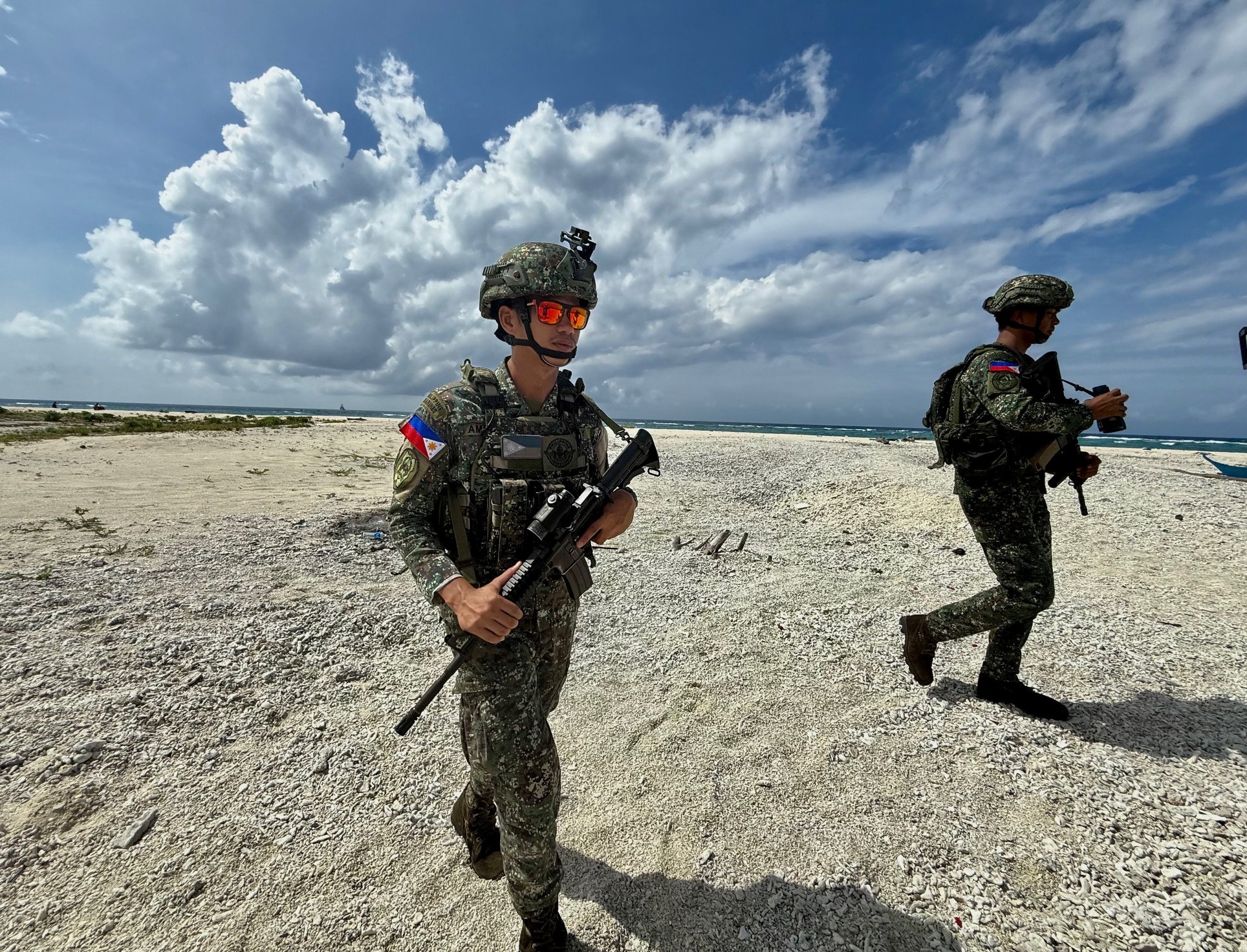
The Iran war is not merely an economic shock for the Philippines; it is a strategic test of Marcos Jr.'s pro-US alignment, according to David Dichoso of George Washington University, writing in The Diplomat. The conflict has closed the Strait of Hormuz, through which a significant share of Asia's oil passes, and has sent crude prices soaring over 40% in a matter of days.
Gabriel Collins, an economist at Rice University's Baker Institute, explains that in higher-income countries, such price spikes create “heat-or-eat” dilemmas for households. In an emerging market like the Philippines, where most people have little economic cushion, the effects are far more severe. The country is doubly leveraged to oil: not only does it rely on imported crude, but approximately 2.5 million Filipinos work in the Gulf region, sending home about $15 billion annually in remittances. A prolonged conflict could disrupt both energy supplies and these vital income flows.
Julie Chernov Hwang, an economist at the Soufan Center, warns that if the ceasefire talks in Islamabad fail and the Strait of Hormuz remains closed, large parts of Asia could face an economic recession. “Most dire has been the Philippines, which sources 90% of its oil from the Middle East,” she said. The negative spillover effects are already apparent across energy, food, and labor sectors in South and Southeast Asia, and are beginning to affect parts of East Asia.
Policy Responses and the Road Ahead
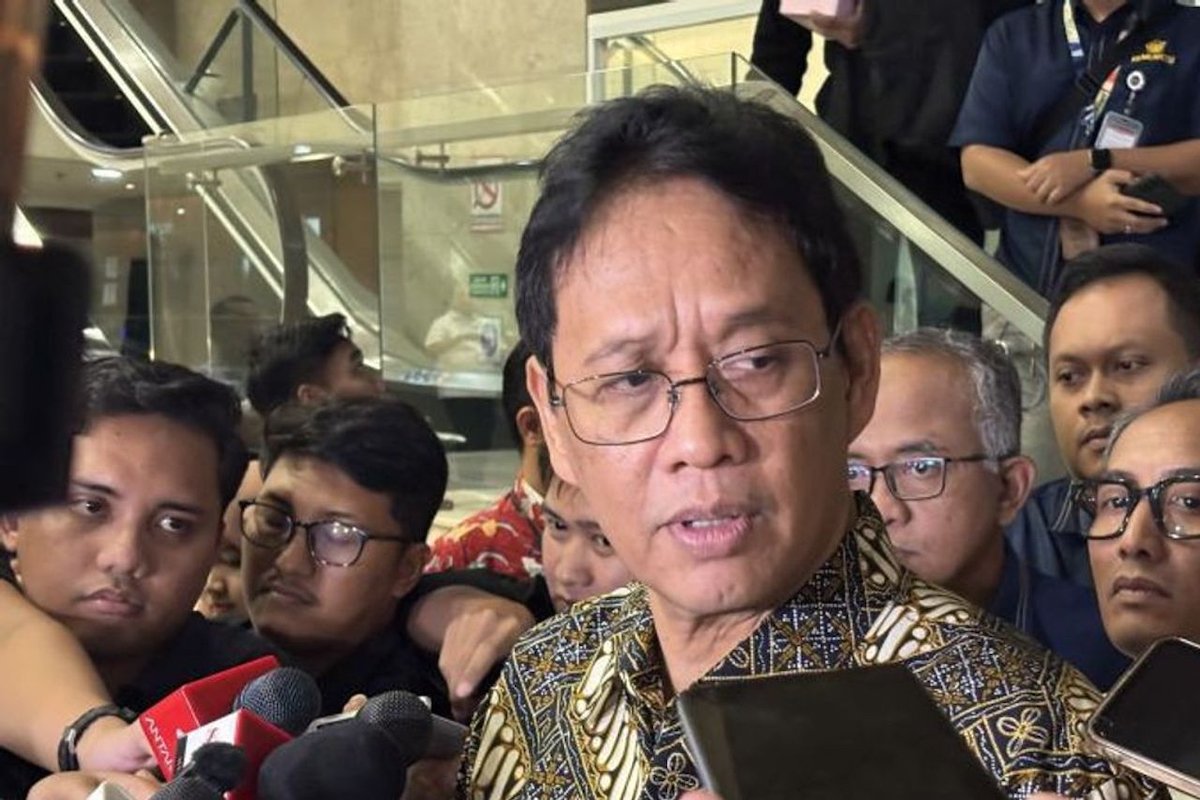
Economic Planning Secretary Arsenio Balisacan has stated that the government is intensifying targeted interventions to temper upward price pressures on food, energy, and transport. “Our priority is to ensure stable fuel supply, manageable prices, and adequate protection for all sectors,” he said. However, such measures are expensive, and the peso's decline complicates the fiscal arithmetic.
Not all analysts are pessimistic. Miguel Chanco, an economist at Pantheon Macroeconomics in London, believes that inflation will return to the BSP's target range next year once the supply-side shock fades. But pressure is building on the central bank to keep inflation expectations anchored. The lessons from the Philippines' energy emergency are resonating across the region, as other Asian economies watch for signs of contagion.
Priyanka Kishore, chief economist at Asia Decoded, notes that the peso's drop, along with declines in the Indian rupee, shows that “Asia is facing a larger price and terms of trade shock than global benchmarks imply.” For the Philippines, the immediate question is whether it can stabilize prices before the social and political costs become unmanageable. The answer will shape not only Manila's trajectory but also the broader regional response to the Iran war's economic fallout.