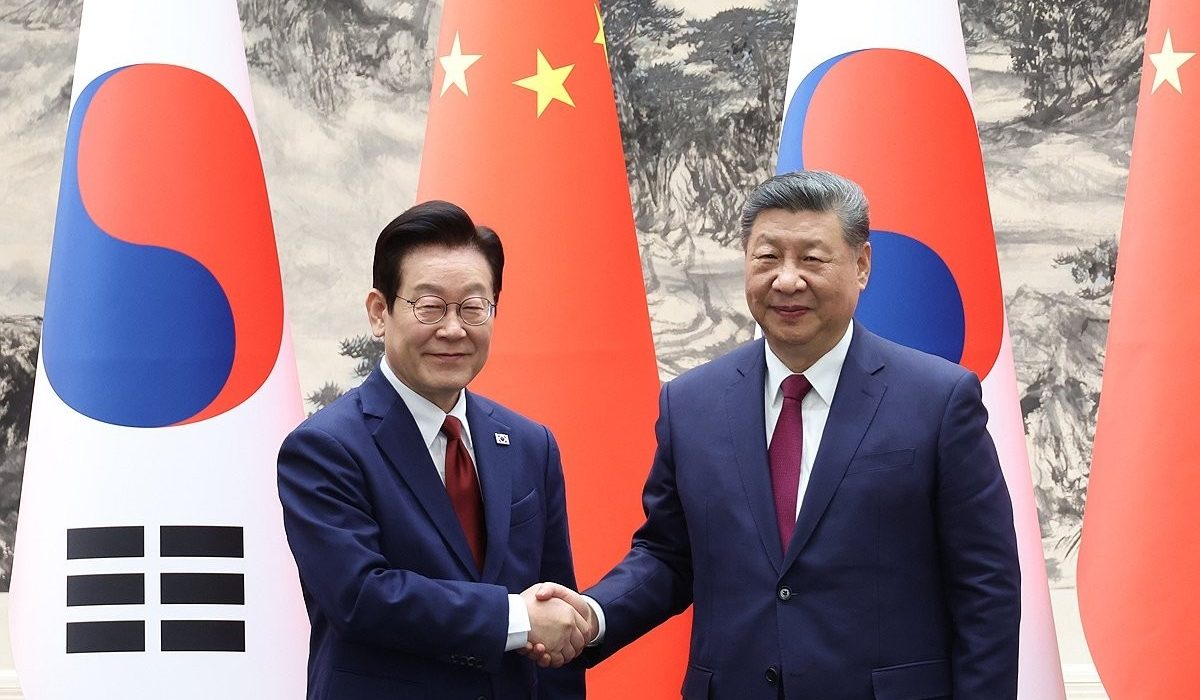
When US Undersecretary of War Elbridge Colby visited Seoul a few months ago and called South Korea a “model ally,” he may have been reaching for a compliment. But the label sits awkwardly against a backdrop of mounting friction between the two capitals, and a South Korean government that often seems to be pulling in the opposite direction from Washington.
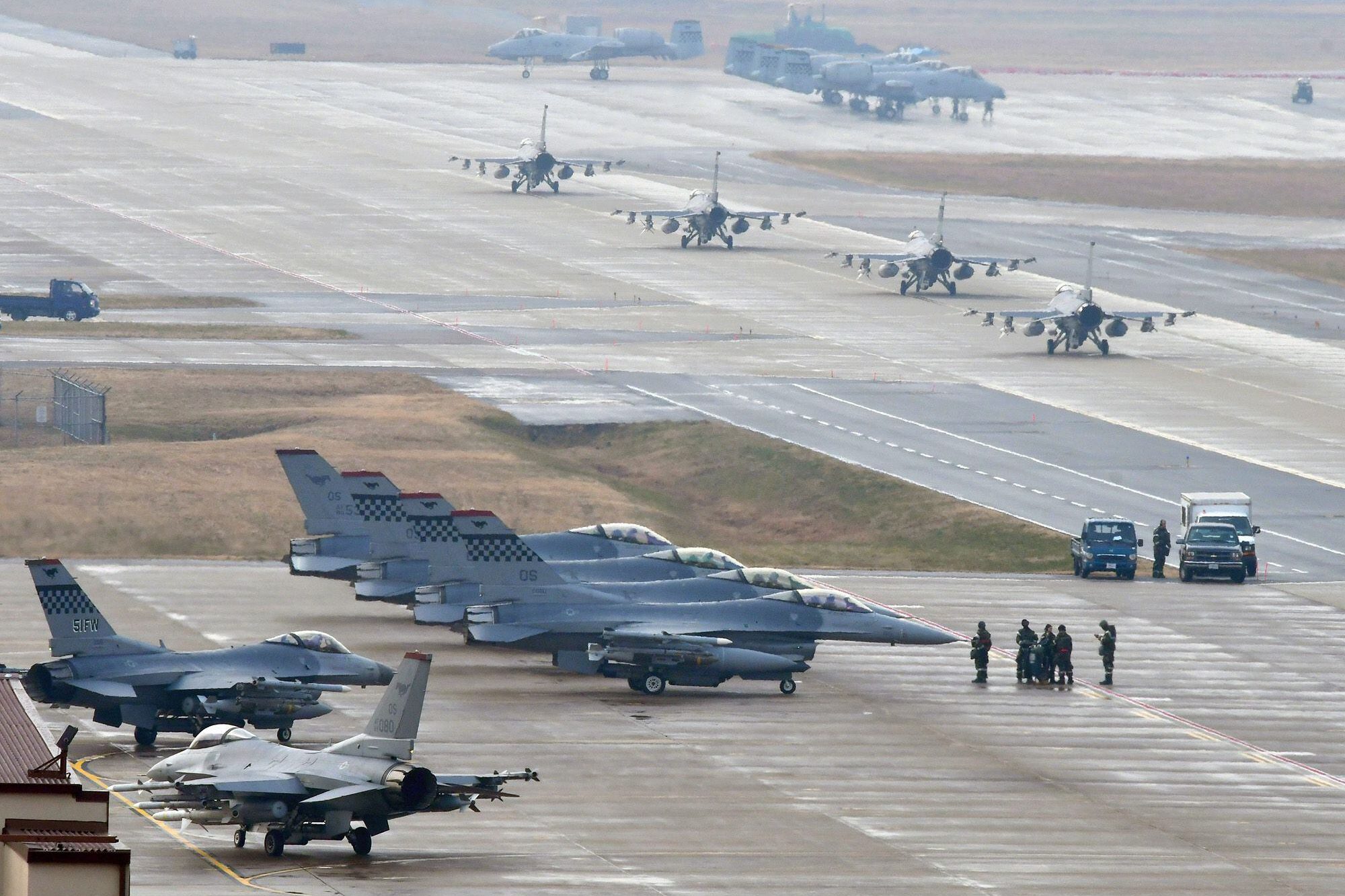
South Korea remains a treaty ally, bound by the mutual defense pact signed in 1953, and its military cooperation with US forces is operationally among the best in the Indo-Pacific. Yet the relationship has changed. The current administration of President Lee Jae-myung has taken steps that would have been unthinkable for previous conservative governments, and some of its actions have alarmed American officials and lawmakers alike.
A ruling party with a complicated past
Consider the ruling Democratic Party of Korea (DPK). Its leader, Kim Min-seok, is the brother of former Prime Minister Kim Boo-kyum, who is now running to head the party. Both brothers have a history that would be extraordinary for any US ally: as young men, they were imprisoned for pro-North Korean activities, including attacks on the US ambassador's residence and a US Information Agency office in Seoul. Neither has ever apologized or dismissed the incidents as youthful indiscretion.
President Lee himself has referred to US forces stationed in South Korea after World War II as an “occupying force.” He also faces unresolved allegations that, while governor of Gyeonggi Province, he authorized an $8 million transfer to North Korea without proper approval. Lee denies the charges, but a former subordinate has been convicted in connection with the case.
Since taking office in mid-2025, the Lee administration has picked fights with Washington over long-standing procedures for managing the Demilitarized Zone, and South Korean prosecutors improperly accessed restricted areas at Osan Air Base during an investigation into the previous administration's North Korea policy. A Lee administration official also leaked classified US information about North Korean nuclear activities.
Chafing at US global policies
Seoul has been less than helpful on other fronts. It has resisted US efforts to transfer military hardware from South Korea to the Middle East, and it has shown little enthusiasm for supporting the US campaign against Iran. On Taiwan, President Lee has said the island is “none of South Korea's business,” a stance that pleases Beijing and worries Washington, given that Taiwan is central to the US defense line in the Indo-Pacific. The administration has also declined to grant US forces in South Korea permission to redeploy in the event of a Taiwan contingency.
Lee's social media posts have added to the strain. He compared Israeli military actions to the Holocaust, drawing a formal complaint from Israel, and his administration sent $500,000 to Iran as “humanitarian aid” shortly after the regime's brutal crackdown on protesters. The gesture seemed tone-deaf, and Lee offered only a muddled explanation.
Democratic backsliding at home
Domestically, the Lee administration has accelerated efforts to consolidate power, building on the legacy of former President Moon Jae-in. Critics say the government has sought to control the National Assembly, the judiciary, prosecutors, police, intelligence services, and the National Election Commission. The media has been cowed, and the military and big business are being brought to heel. The pro-Pyongyang Korean Confederation of Trade Unions has worked closely with the DPRK, and ordinary citizens who criticize the government or question election integrity can expect police visits.
Religious groups have been targeted, with pastors arrested and pressure applied to those deemed “enemies.” The treatment of former President Yoon Suk-yeol and his wife has drawn comparisons to North Korean behavior. And the official harassment of the American e-commerce company Coupang has attracted US congressional attention.
None of this fits the profile of a “model ally.” Yet there is another side to the story. South Korea spends heavily on its own defense, fields a capable military, and has stood firm against Chinese, Russian, and North Korean incursions into its territory and airspace. Its defense industry supplies advanced weaponry to allies from Indonesia to Poland, and it has offered to help rebuild America's ailing shipbuilding sector.
The alliance is too important to let drift. Washington should press Seoul to return to the norms of a true partnership, while recognizing that South Korea's strategic value remains high. The label “model ally” may be premature, but the relationship is worth fighting for.