When South Korean actress Ha Young appeared on television in August to discuss her family's four generations of doctors, she praised the medical achievements of her great-grandfather, Ahn Sang-ho. Within weeks, scrutiny revealed Ahn's association with the Daejeong Friendship Association, a group linked to collaboration with Japanese colonial rule. Ha Young apologized, saying she had known only part of his history. The fallout was swift and severe: Samsung Electronics pulled all six of its Art TV advertisements featuring her, other promotional material vanished, and she withdrew from the next season of Netflix's The Trauma Code: Heroes on Call.
This episode raises a question that South Korea has yet to answer consistently: should descendants bear different burdens depending on which side of the country's ideological history their ancestors occupied? A comparison with actress Moon Geun-young is instructive.
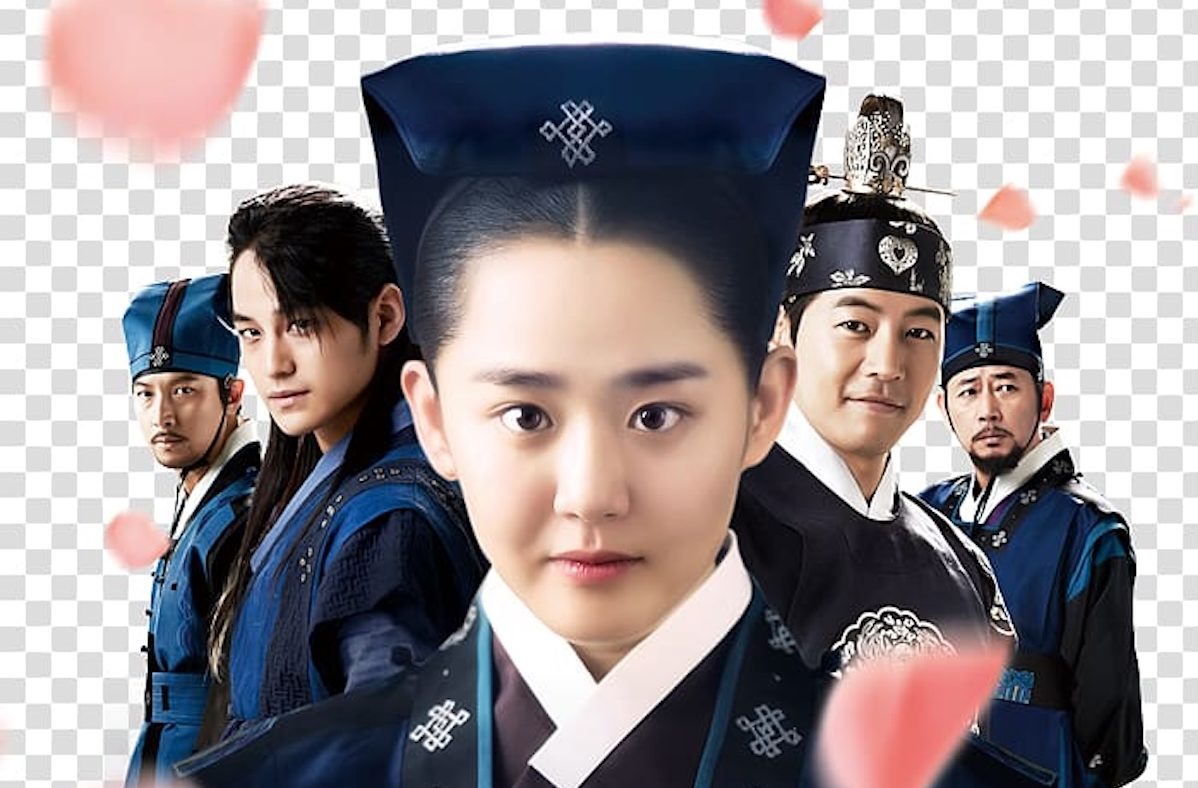
In 2008, Moon—then celebrated as the nation's little sister—came under attack after it emerged that she had anonymously donated 850 million won over six years. Critics pointed to her maternal grandfather, Ryu Nak-jin, a former pro-North guerrilla and political prisoner, and framed her philanthropy as communist propaganda. Moon had spoken warmly of her grandfather in 2005, describing him as a man of "deep purpose" and expressing a wish to be remembered as his granddaughter. That praise was open to public debate, but it did not amount to endorsing his political activities.
Ha Young's praise was narrower. She lauded Ahn Sang-ho's medical accomplishments—he was the first Korean to obtain a Japanese medical license and served the Korean royal household—not his political associations. After learning more, she apologized. Yet the institutional response differed markedly.
Unequal consequences
Moon received visible mainstream defense. Contemporary coverage called the attacks an "ugly smear campaign," and supportive comments outnumbered hostile ones. She also gained political backing, including a statement from the minor Democratic Labor Party criticizing attacks based on family history. Within weeks, Moon won the Grand Prize at the SBS Drama Awards for Painter of the Wind, and two months later took best actress at the Baeksang Arts Awards. Her career continued largely unimpeded.
Ha Young, by contrast, faced commercial and professional ruin. Some of the clearest criticism of guilt by association came from Japanese media, not from South Korean outlets or politicians. The divergence suggests that descendants of those linked to Japanese colonial collaboration now face a harsher institutional standard than descendants of those linked to communist or pro-North activities.
The cases are not identical—they occurred nearly two decades apart, and colonial collaboration and communist activism are distinct historical phenomena. But the liberal principle should be the same: separate ancestry from personal responsibility.
People do not choose their ancestors. They can reasonably be judged for their own words and actions. If a public figure knowingly praises an ancestor's participation in violence or coercion, that praise is fair game for criticism. Moon's praise of her grandfather was a legitimate subject of debate. But criticism should remain tied to her own statements and knowledge, not to inherited guilt.
The same standard should apply to Ha Young. Pride in an ancestor's medical service does not constitute endorsement of every political association that ancestor had. Ha Young did not praise colonial rule. After learning more, she apologized.
A liberal society should allow room for criticism, correction, and reintegration. Historical accountability should identify specific wrongdoing, distinguish knowledge from ignorance, and keep sanctions proportionate to an individual's own conduct. Otherwise, historical responsibility slides into inherited stigma.
South Korea knows the dangers of inherited political categories. Families were once stigmatized because a relative had communist or North Korean associations. Today, descendants of people labeled pro-Japan risk a different version of the same logic. Reversing the ideological direction of guilt by association does not make the principle more liberal.
The point is not that Moon Geun-young should have been punished more harshly. Her praise of her grandfather was open to criticism, but she should not have been held responsible merely because she was Ryu Nak-jin's granddaughter. The question is whether the same restraint is extended to Ha Young.
South Korea has every reason to investigate colonial collaboration, communist violence, authoritarian abuses, and other painful histories. But historical judgment is strongest when it is specific about who did what, rather than allowing political stigma to travel through bloodlines. As the country grapples with its rapid aging and evolving cultural landscape, it must also ensure that its reckoning with the past does not create new injustices.