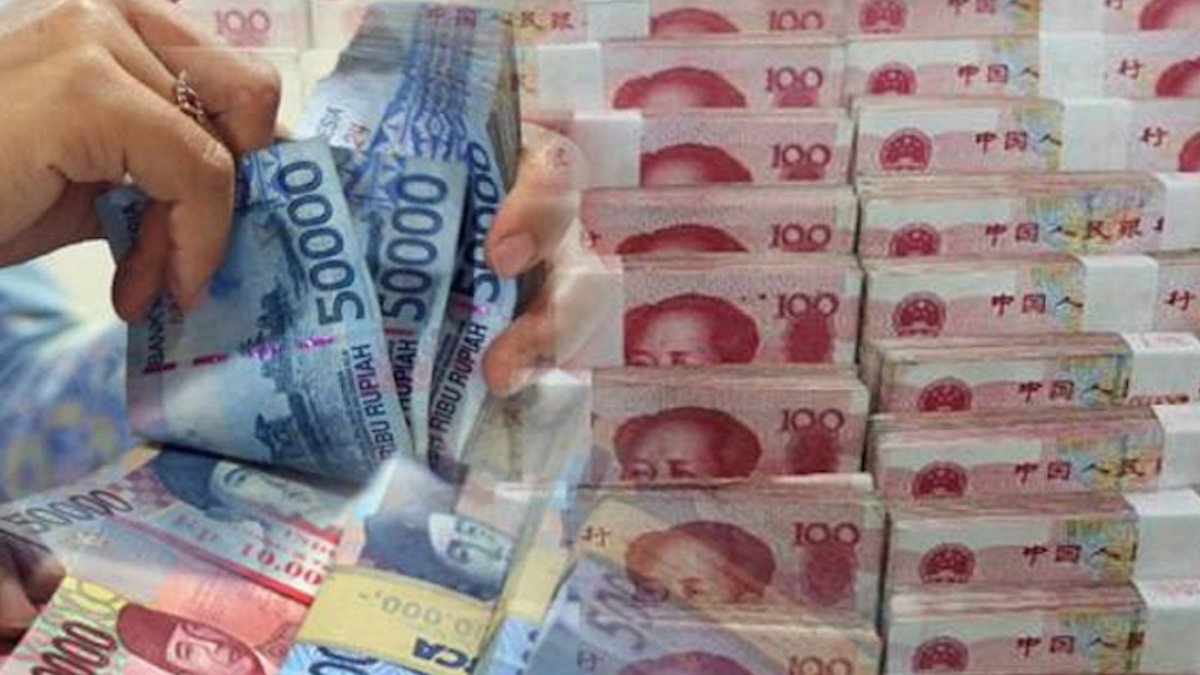
TOKYO – The panic that swept through South Korea's trading floors this week, triggered by escalating US-Israeli military strikes on Iran, may be more than a localized shock. Analysts warn that the sell-off could be the opening act of a wider economic downturn across Asia, as the conflict threatens to destabilize energy supplies and trade corridors critical to the region.
On Tuesday and Wednesday, South Korea's benchmark KOSPI index experienced its sharpest two-day decline in months, with heavy selling in tech and manufacturing stocks. The rout reflected investor fears that a broader Middle East war would spike oil prices and disrupt global supply chains, hitting export-driven economies like South Korea particularly hard.
“South Korea is a bellwether for Asia because of its deep integration into global trade and its heavy reliance on imported energy,” said Park Jae-hyun, an economist at Seoul National University. “If the Iran situation escalates, the pain will spread quickly to Japan, India, and Southeast Asia.”
Energy Dependence and Supply Chain Risks
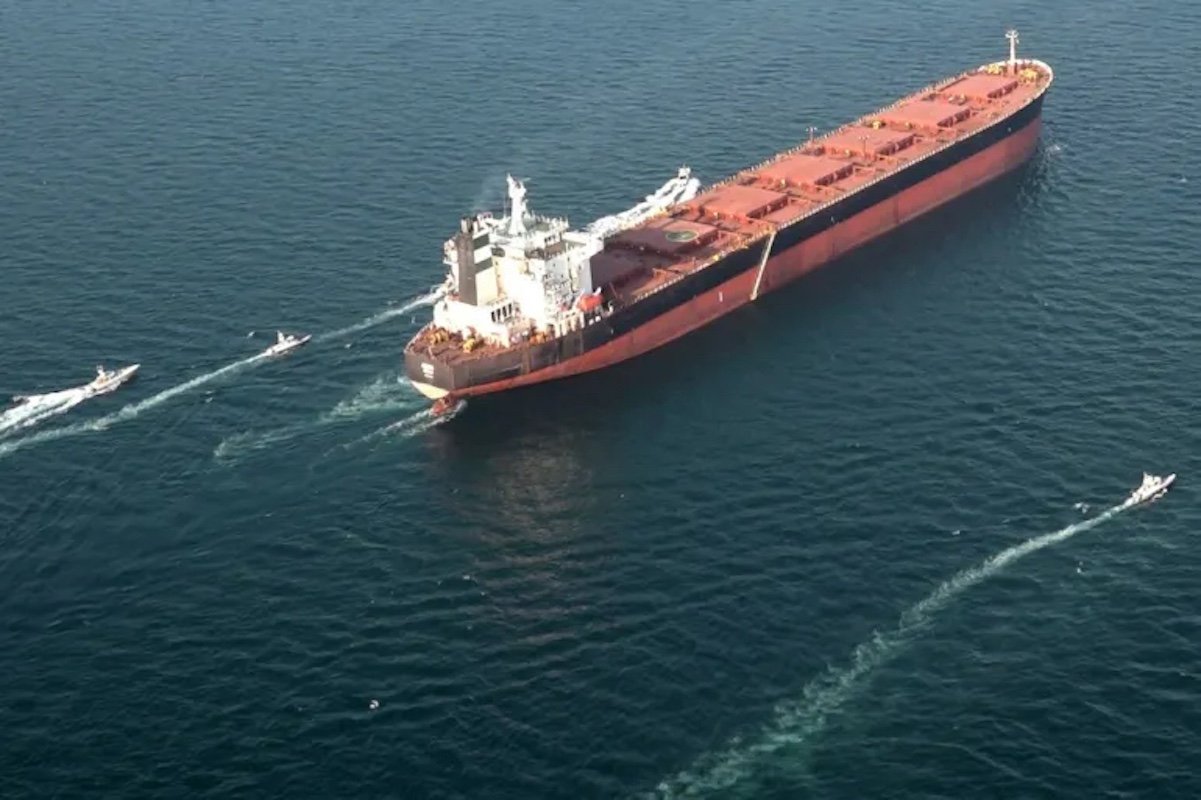
Asia imports more than half of its crude oil from the Middle East, with Iran and its neighbors accounting for a significant share. Japan, South Korea, and India are among the top buyers of Iranian and Saudi crude. Any disruption in the Strait of Hormuz, through which about 20% of global oil passes, would send energy costs soaring across the region.
South Korea, which relies on imports for nearly all its oil needs, is especially vulnerable. The country's refiners and petrochemical firms saw their stocks plunge this week as traders priced in higher input costs. Meanwhile, logistics companies warned that shipping routes through the Red Sea and Suez Canal could face delays if the conflict widens.
The turmoil comes at a delicate time for South Korea's economy, which is already grappling with weak domestic demand and slowing exports to China. President Yoon Suk Yeol's administration has been pushing to diversify energy sources and strengthen ties with the United States, but the crisis highlights the limits of those efforts. For more on the evolving US-South Korea relationship, see South Korea's Alliance with the US Faces a Reckoning Over Cost and Reciprocity.
Ripple Effects Across Asia
Japan's Nikkei 225 also fell sharply this week, though the decline was less severe than in Seoul. Tokyo's market is more insulated by its large domestic investor base and a weaker yen that boosts export competitiveness. Still, Japanese trading houses with exposure to Middle East energy projects face significant risk.
India, the world's third-largest oil consumer, is watching nervously. New Delhi imports over 80% of its crude, much of it from Iraq and Saudi Arabia. A sustained price spike would worsen India's trade deficit and fuel inflation, complicating Prime Minister Narendra Modi's economic agenda ahead of state elections.
Southeast Asian economies, including Indonesia, Thailand, and Vietnam, are also exposed. Indonesia's state-owned oil company Pertamina has already flagged potential supply disruptions. Thailand, a major exporter of automotive parts and electronics, could see production costs rise sharply.
The crisis also has geopolitical dimensions. North Korea, which has long relied on illicit trade with Iran for missile and nuclear technology, may see new opportunities amid the chaos. Analysts note that Pyongyang has been studying Iranian drone and missile tactics, as detailed in North Korea Adopts Iran and Ukraine War Tactics for New Combat Playbook. Any further destabilization in the Middle East could embolden Kim Jong Un's regime.
Investor Sentiment and Policy Responses
Market analysts say the sell-off reflects a broader reassessment of risk in Asia. For years, investors treated the region as a safe haven from Middle East turmoil, but the interconnectedness of global finance means that no market is immune. “The idea that Asia can decouple from a major oil shock is a myth,” said Li Wei, a portfolio manager at a Singapore-based hedge fund. “We're seeing a repricing of that risk right now.”
Central banks in the region are on alert. The Bank of Korea has signaled it may intervene to stabilize the won if volatility persists. The Bank of Japan has maintained its ultra-loose policy but is monitoring inflation expectations. India's Reserve Bank has ample foreign exchange reserves to cushion the blow, but a prolonged crisis would test its credibility.
Governments are also scrambling to secure alternative energy supplies. South Korea has accelerated talks with the United States and Australia for liquefied natural gas (LNG) shipments. Japan is tapping its strategic petroleum reserves. India has reached out to Russia for discounted crude, though payment logistics remain complicated due to Western sanctions.
The crisis underscores a painful reality for Asia: despite decades of economic growth and diversification, the region remains deeply vulnerable to shocks from the Middle East. As the conflict shows no signs of abating, the initial panic in Seoul may be just the beginning of a long, painful adjustment.