The bedrock US-South Korea alliance, forged in the Korean War, is undergoing a profound stress test. A growing recognition in Seoul of the partnership's historical asymmetries, combined with a more transactional American foreign policy, is forcing a difficult reassessment of its future value and reliability.
A Legacy of Blood and Sacrifice
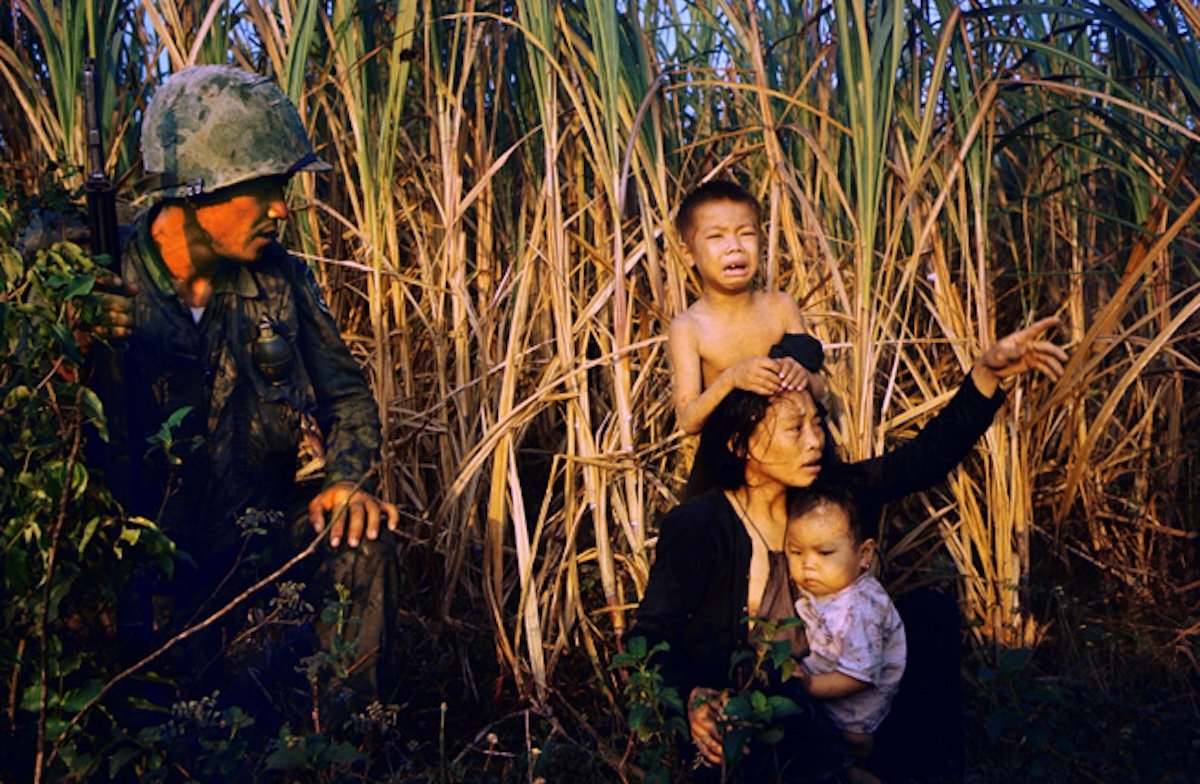
South Korea's commitment to the alliance has been demonstrated through active, costly military deployments, not merely symbolic support. At Washington's request, Seoul dispatched over 320,000 troops to fight alongside American forces in the Vietnam War. The human cost was severe: more than 5,000 South Korean soldiers were killed and tens of thousands wounded. This sacrifice was made on the implicit understanding of reciprocity—that American forces would remain steadfast on the Korean Peninsula to deter aggression from the North.
That understanding was soon tested. Even as South Korean troops fought in Southeast Asia, the Nixon administration began withdrawing US forces from South Korea under the Guam Doctrine, signaling that Asian allies must shoulder more of their own defense. Seoul had paid in full, but Washington quietly renegotiated the terms.
The Instructive Contrast with Japan
The nature of the US-South Korea pact stands in sharp relief to America's alliance with Japan. Following World War II, Japan traded a degree of sovereignty for security, allowing the US significant control over its defense posture while focusing on economic growth. As one scholar noted at the time, "Japan acquires security while the US acquires control." Japan notably avoided direct combat roles in the Korean War, instead benefiting economically from procurement contracts—a windfall former Prime Minister Shigeru Yoshida privately called "a gift of the gods."
This pattern of Japan hedging its military commitments continued. During the Iraq War, Japan's Self-Defense Forces required protection from other allied troops. South Korea, by contrast, sent combat-ready units. The dynamic has been consistent: South Korea fights, Japan hedges, yet the alliance endures for both.
The Rise of a Transactional Partner
The core question for Seoul today is whether the United States remains a reliable security guarantor or has become what political scientist John Mearsheimer termed a "rogue elephant"—an unpredictable power that may trample the very allies it once pledged to protect. This is not necessarily out of malice, but from an increasingly erratic and transactional approach to foreign policy that treats decades of alliance as a ledger to be audited.
This shift forces South Korea to confront uncomfortable truths. Is the substantial US military presence in the country primarily a guarantee of South Korean security, or has it always been, as in Japan's case, more about advancing American strategic interests in the region? If Washington's reliability is in doubt, what does Seoul gain from hosting American troops beyond becoming a frontline target in any future conflict with China or North Korea? This reckoning comes as the US Navy's Next-Gen Fighter Competition highlights the Pentagon's focus on countering Beijing, a strategic priority that directly involves the Korean Peninsula.
An Uneasy Future and Strategic Choices
South Korea did not seek this moment of uncertainty. It has been a steadfast ally, contributing troops to American-led campaigns in Iraq and Afghanistan with minimal public complaint. Yet the geopolitical landscape is shifting. The rise of China presents both an economic opportunity and a security dilemma for Seoul, while North Korea's advancing nuclear and missile capabilities present a constant threat.
In this context, the alliance's asymmetries are harder to ignore. The distribution of costs, risks, and benefits has long been skewed. South Korea's decades of sacrifice are now colliding with a United States that appears to view alliances through a mercantile lens. This collision raises fundamental questions about strategic autonomy and whether Seoul must diversify its security options. As global tensions simmer, evidenced by the protracted stalemate in the US-Iran-Israel conflict, the value of predictable partnerships only increases.
The idealism captured in past tributes, like former President Park Geun-hye's 2013 address to the US Congress thanking American veterans, now meets the cold reality of 21st-century power politics. For South Korea, the alliance is no longer an article of faith but a calculated partnership in need of redefinition. The answer will shape the strategic balance of the entire Indo-Pacific.