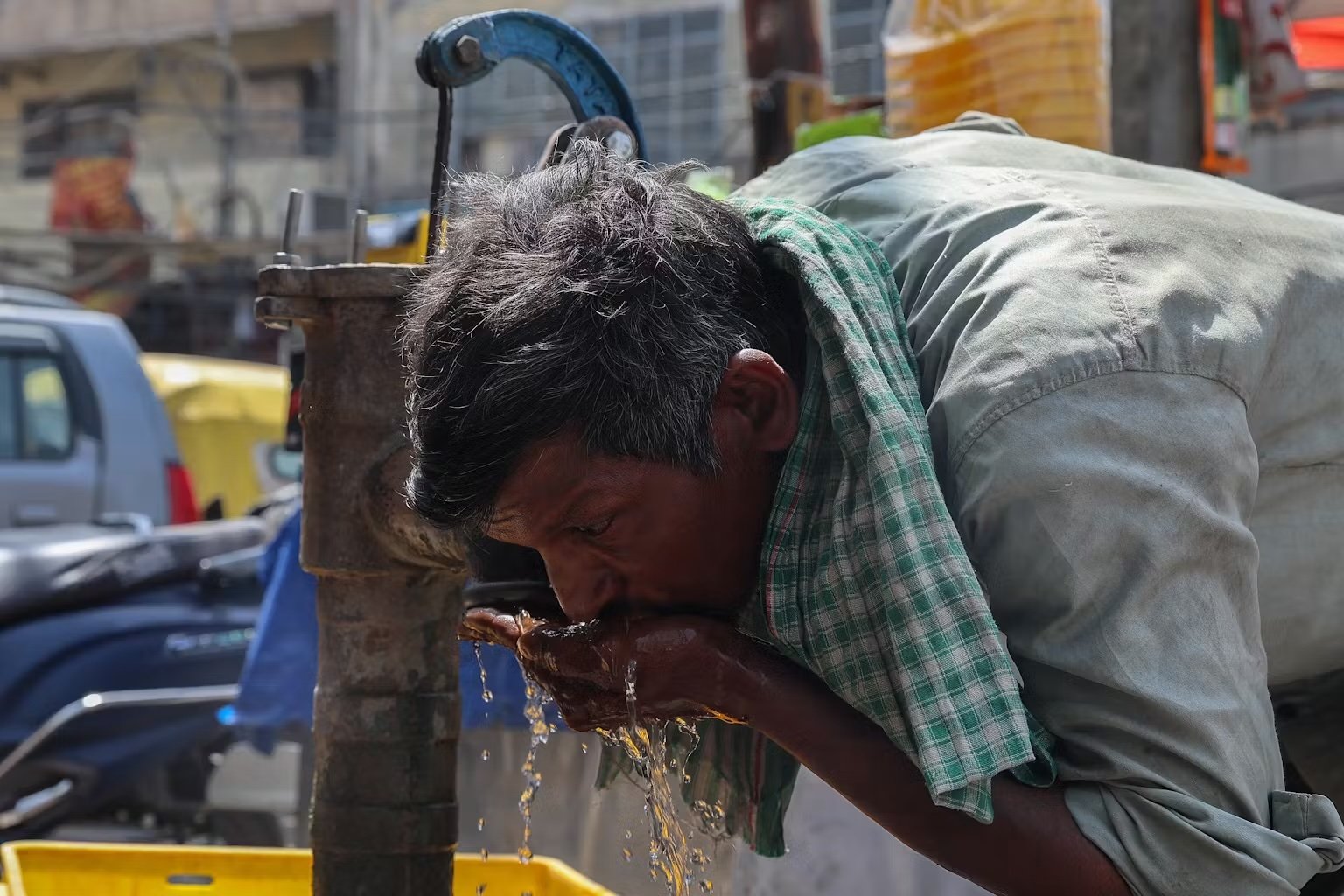
A punishing heatwave has settled over large parts of India and Pakistan since mid-April, pushing daily maximum temperatures above 46°C in many locations and running 5 to 8°C above seasonal norms. While both countries are accustomed to pre-monsoon heat, the intensity and duration of this year's event are exceptional.
The sustained high temperatures have driven record electricity demand in Indian cities as residents turn to air conditioning, while exacerbating drought conditions across more than one million square kilometers. At least 37 deaths have been reported in India and 10 in Pakistan, though experts warn these figures are likely a significant undercount, as heat-related fatalities are systematically underreported in India.
Why This Heatwave Is Different
The immediate cause is a persistent high-pressure weather system that has lingered over the subcontinent, suppressing cloud formation and blocking cooling rains. This has trapped hot air near the surface, allowing temperatures to build day after day. Drier soils, resulting from reduced rainfall, have further amplified the heat, as less energy is used for evaporation and more goes into heating the land.
Urban areas are particularly vulnerable. Concrete and asphalt absorb heat during the day and release it slowly overnight, keeping cities hotter and denying residents the nighttime relief essential for recovery. This urban heat island effect disproportionately affects the poor, who often live in informal settlements without access to cooling.
Climate Change Amplifies the Threat
Behind these immediate factors lies the broader trend of climate change. According to estimates from World Weather Attribution, the initial heatwave from 15 to 29 April was made about three times more likely and roughly 1°C hotter due to global warming. At current warming levels of approximately 1.4°C above pre-industrial averages, the subcontinent can expect similar events about once every five years. If the world continues on its current trajectory toward 2.6°C of warming by 2100, such heatwaves would occur every two to three years and be 2.2°C hotter.
Humidity Makes Heat More Lethal
The danger is compounded by humidity, which is high across much of India and Pakistan. The human body relies on sweating to cool down, but humid air slows evaporation, making this mechanism far less effective. Scientists use wet-bulb temperature to measure the combined threat of heat and humidity. While a wet-bulb temperature of 35°C was once considered the survival limit, newer research shows that lethal conditions can occur at lower thresholds. For example, for older adults outdoors, 35°C with 90% humidity is as deadly as 45°C with 30% humidity. These levels have been reached during recent South Asian heatwaves, and it is likely that some areas have hit dangerous thresholds during this event, though official bulletins rarely report wet-bulb temperatures.
The consequences are grim: as core body temperature rises above 40°C, heatstroke can set in, damaging the brain and vital organs. Without rapid cooling, it can be fatal.
Unequal Burdens
The risks are not evenly distributed. Wealthier individuals can retreat to air-conditioned spaces, but poorer populations—construction workers, farmers, delivery riders—have no such escape. Rural communities face additional challenges: more outdoor labor, limited healthcare access, and scarce cooling options. The heatwave's toll is thus a stark reminder of the region's deep inequalities.
When Will Relief Arrive?
The monsoon typically brings cooler conditions, with cloud cover and rainfall lowering daytime temperatures. In India, the monsoon usually arrives in early June in the south and covers the entire country by mid-July. In Pakistan, it begins in early July and can last through September. Until then, the region remains in the grip of extreme heat.
This heatwave is not an isolated event. As climate change intensifies, South Asia will face more frequent and severe heatwaves, making adaptation and mitigation urgent priorities for both governments and communities.