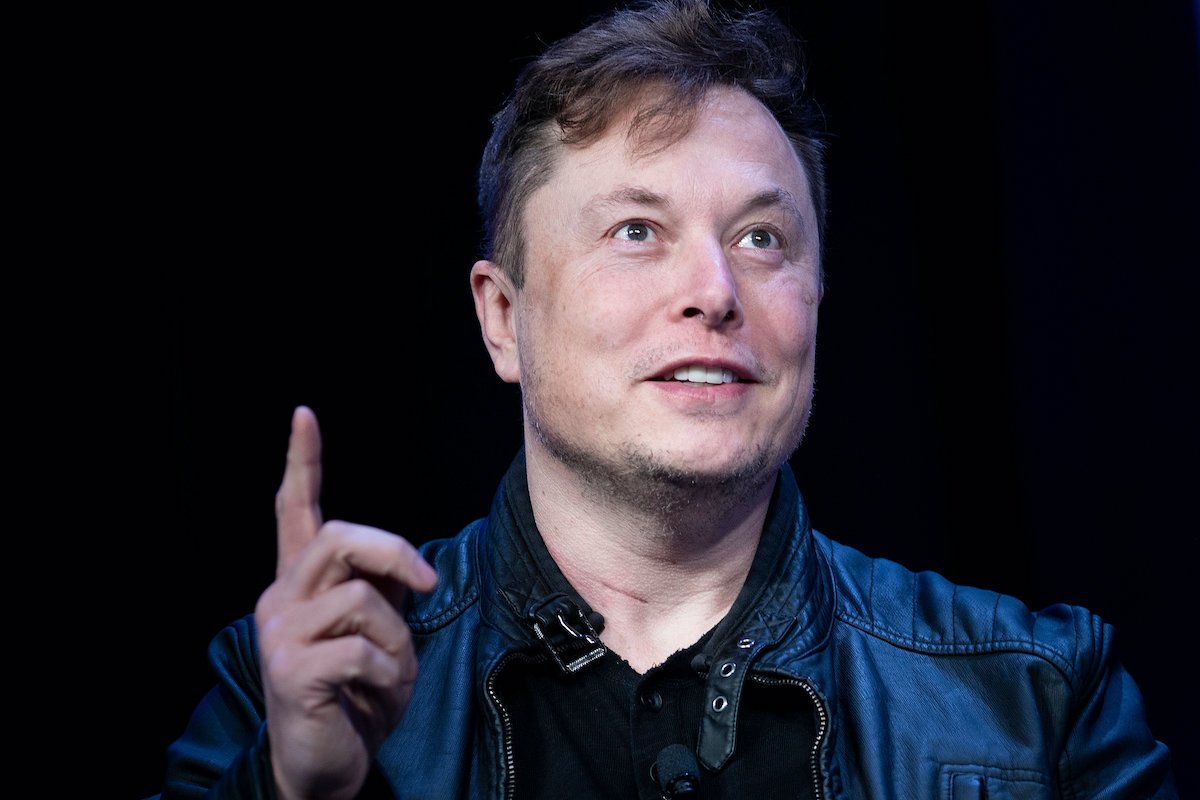
Elon Musk's position as the world's wealthiest individual is inextricably linked to the stratospheric rise of Tesla's stock. The electric vehicle and clean energy company's market capitalization has soared past $880 billion, a figure that eclipses the combined value of industry giants like Toyota, Volkswagen, Daimler, General Motors, and Ford. This valuation persists even though Tesla only recorded its first full-year profit in 2020, and its recent quarterly earnings fell short of analyst forecasts.
The numbers paint a stark picture. Tesla's price-to-earnings ratio has hovered near 1,700, an astronomical figure when compared to other technology leaders. Apple and Microsoft, for instance, typically trade with PE ratios between 30 and 40. This disparity raises a fundamental question for investors: is Tesla's valuation a justified bet on a transformative future, or a speculative bubble inflated by market exuberance?
The Asian Challenge to Tesla's Dominance
Tesla's early-mover advantage in premium electric vehicles is undeniable. The company has cultivated a powerful brand and driven innovation in batteries and energy storage, exemplified by projects like the world's largest lithium-ion battery in South Australia. However, the landscape is shifting rapidly. The very success of electric vehicles has triggered a massive competitive response, particularly from Asia's automotive powerhouses.
Carmakers that were once deeply committed to internal combustion engines are now pouring resources into electrification, viewing it as an existential imperative. In China, the world's largest EV market, domestic brands like BYD and Nio are launching compelling models. In Japan, Toyota and Honda are accelerating their electric plans, while South Korea's Hyundai and Kia have gained recognition for their dedicated EV platforms. German manufacturers like Volkswagen are also making multi-billion-euro commitments to electrify their fleets.
This wave of competition illustrates a classic business dynamic: disruption. As described by academic Clayton Christensen, early innovators often pave the way for later entrants who refine the technology, target broader markets, and ultimately challenge for leadership. Tesla's own growth benefited from this process as it challenged the traditional auto industry. Now, the company may find itself in the incumbent's seat.
Furthermore, Tesla's efforts to build essential infrastructure, such as its network of Supercharger stations, could ultimately smooth the path for its rivals. While more charging stations boost overall EV adoption, they may not provide Tesla with a durable competitive moat. Unlike social media platforms or e-commerce marketplaces that thrive on network effects, where each new user increases the platform's value for all others, charging infrastructure is harder to exclusive. A station built by Tesla could, in theory, benefit a Hyundai or a BMW driver if standards align, diluting Tesla's strategic advantage.
Investment in an Uncertain Electric Future
For investors, the central dilemma is timing and sustainability. The speculative momentum behind Tesla's stock could propel it even higher in the short term. However, as a long-term investment, the company faces significant headwinds. Its current valuation appears to discount a future of near-total market dominance, a scenario that seems increasingly unlikely as formidable, well-capitalized competitors enter the fray from Seoul to Stuttgart to Shanghai.
The broader energy transition adds another layer of complexity. As nations move away from fossil fuels, the entire automotive and energy storage sector will grow, but it will be a fiercely contested arena. Developments in related sectors, such as the geopolitical shifts influencing energy currencies or the US-China competition to build next-generation energy supply chains, will indirectly shape the environment in which Tesla and its rivals operate.
Elon Musk's ambitions undoubtedly extend beyond quarterly earnings, encompassing space exploration and a broader vision for sustainable energy. This vision has captivated the market. Yet, for the pragmatic investor, Tesla's present financial metrics and the gathering storm of global competition suggest its share price rests on exceptionally optimistic assumptions. The company revolutionized the auto industry, but its financial valuation may have raced too far ahead of commercial reality.