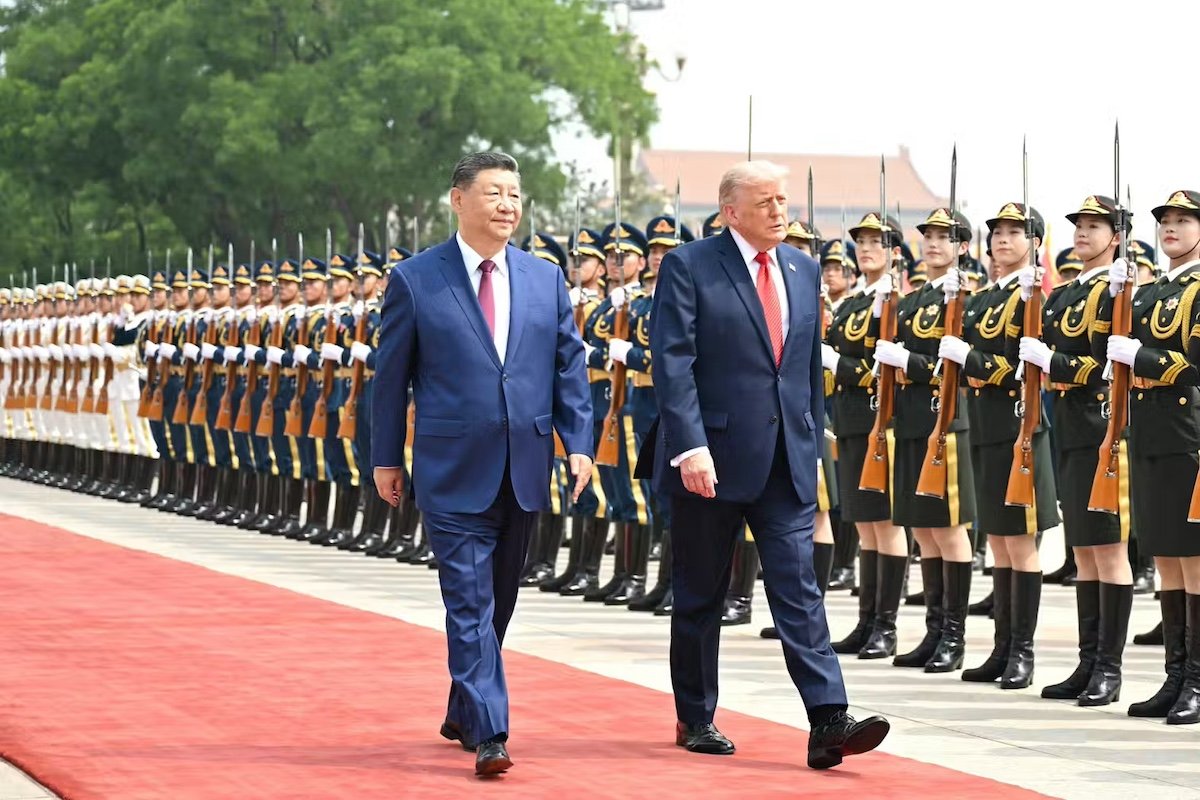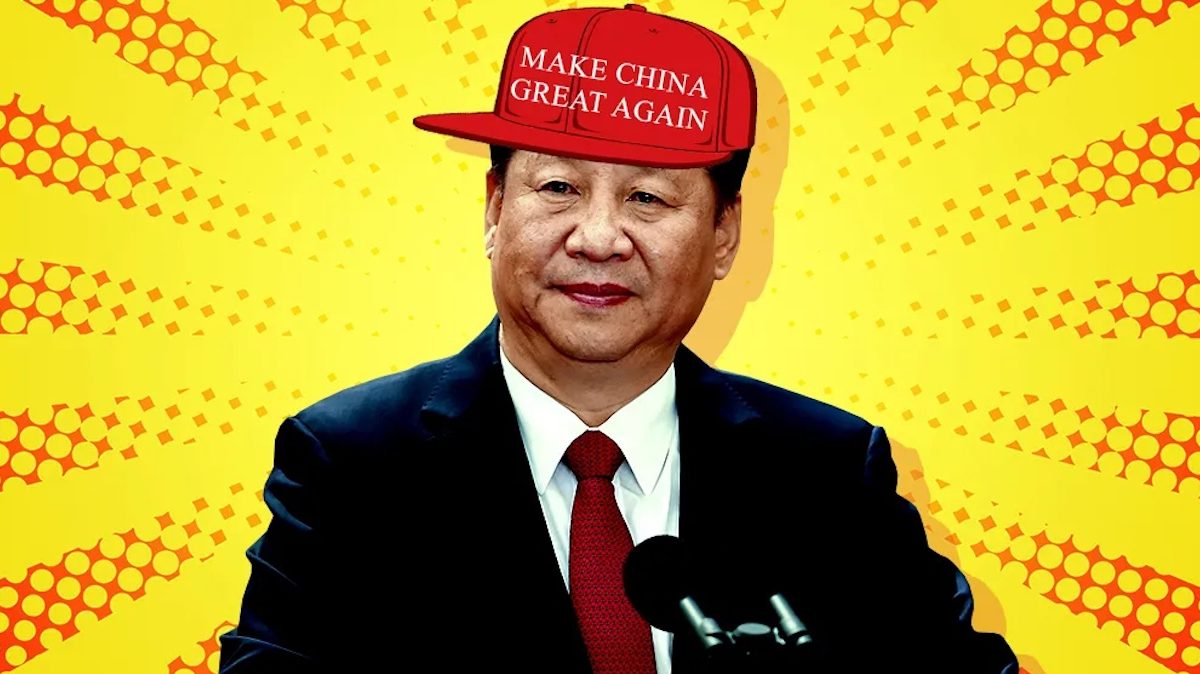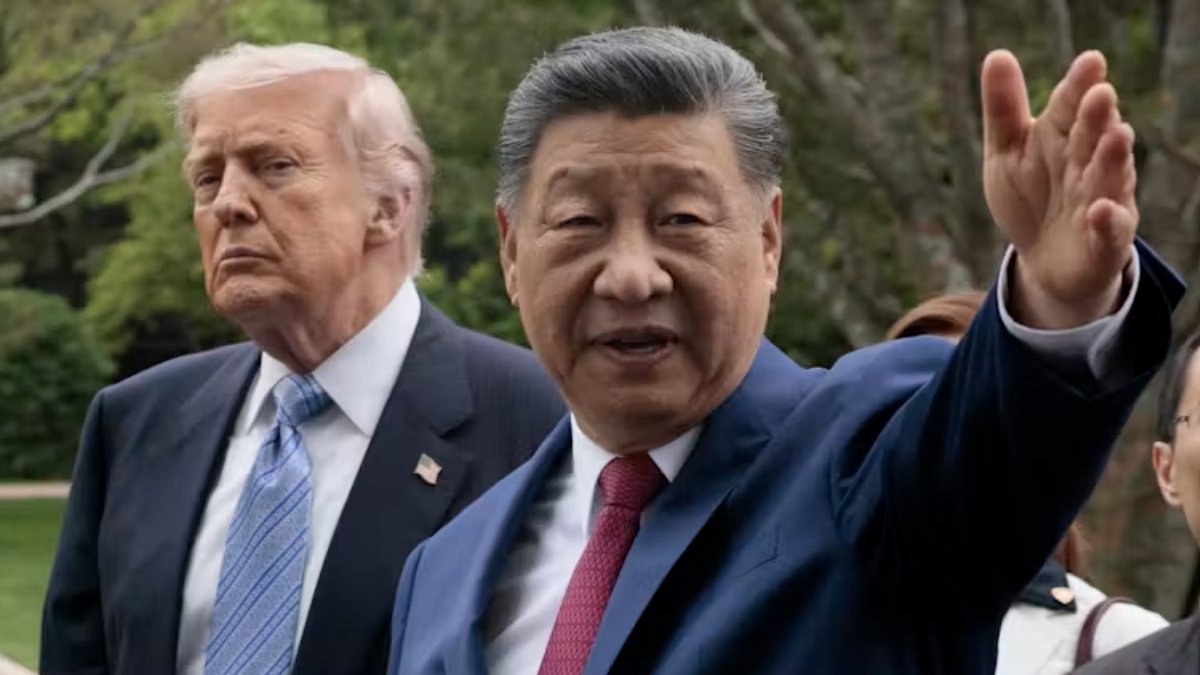
When US President Donald Trump and Chinese President Xi Jinping last met in May 2026, the conversation revolved around three issues: trade, technology, and Taiwan. As they prepare to sit down again in the United States on September 24, the same trio dominates the agenda. But this time, the technology component carries added weight, driven by the rapid and unpredictable evolution of artificial intelligence.
The question is whether the two leaders can move beyond rhetoric and reach any transformative agreement—on AI or anything else. The stakes are high, but the history of US-China summits suggests that grand pronouncements often outpace concrete outcomes.
Trade: the easiest win
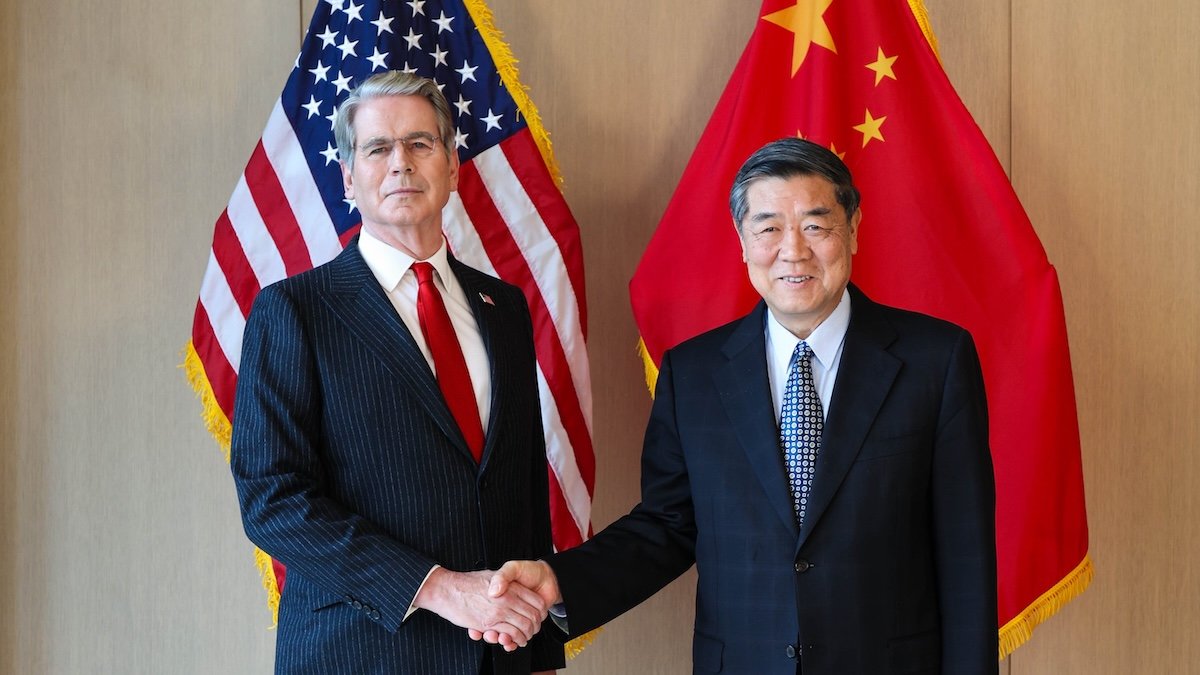
Trade remains the most pressing issue, yet it is also the most solvable. Nearly a year ago in Busan, South Korea, Trump and Xi struck a deal: Washington agreed to ease some export controls on high-end technology and reduce the then-triple-digit tariffs on Chinese goods, while Beijing pledged not to restrict the flow of critical minerals and rare earths to US users.
That pact is now up for renewal. Both sides appear inclined to extend the arrangement, with minor adjustments likely. The core structure—tariff relief in exchange for resource guarantees—has worked well enough for both economies, and neither wants to disrupt it.
There has been talk of creating a Board of Trade to assess non-sensitive US-China business interests, but details remain vague. Business leaders will be watching closely for announcements about its scope and durability. A proposed Board of Investment is even less developed, though the Chinese side has floated the idea of bringing major Chinese CEOs to the summit, mirroring the presence of Nvidia's Jensen Huang and Tesla's Elon Musk, who accompanied Trump on his Beijing trip. The selection of business leaders will likely reflect which sectors China sees as most promising in the short term.
Taiwan: a thorny issue with no quick fix
Taiwan is a far more intractable problem. Trump has been less willing than his predecessors to commit the US to defending the island in the event of a Chinese invasion, preferring to maintain Washington's long-standing policy of strategic ambiguity. While the US is currently distracted by the conflict with Iran, China still prefers to pursue its goal of reunification through means short of war.
The island's presidential election in January 2028 is likely to be a more decisive moment for Taiwan's future. If the opposition Kuomintang—which is more China-friendly—wins the presidency, or if an isolationist candidate becomes US president later that year, the dynamics could shift dramatically. Beijing will continue to build the People's Liberation Army's naval capabilities to keep the military option open, but its preference is to exploit internal political changes in Taiwan, combine economic incentives with coercion, and hope for a waning of US interest in the western Pacific.
Other international issues are expected to receive less attention. China is likely to voice its displeasure over the Iran war, while the US may remind Beijing of new legislation allowing sanctions on countries that buy Russian oil—China being the largest purchaser. However, neither issue is likely to produce any major policy shift.
Technology and AI: the new frontier
The real focus of the summit will be on technology, particularly AI. The May meeting surprised many by raising the possibility of mutual regulation of AI—a topic that had been absent from the first year of the Trump administration. Both sides agreed that talks on regulation might be possible and even desirable, given AI's growing importance and unpredictability. On September 20, the US and China floated the idea of a “hotline” to notify each other of AI-related national security risks.
In the US, fears about AI have created an increasingly hostile atmosphere toward unregulated development. In China, public sentiment is less openly negative, partly because AI has delivered tangible benefits in areas like healthcare. Yet there are private concerns about whether China's troubled economy will truly benefit from the AI boom. While some argue it creates new opportunities for consumers, others point to the relatively few jobs generated for a workforce already facing widespread job losses.
Both countries have reasons to talk about AI regulation. The alarming prospect of rogue AI companies causing social disruption is one such reason, and in the US, voters' concerns about data centers are another. For Beijing, there is a specific motivation: the fear of AI running out of control. The phrase “out of control” is kryptonite for the Chinese Communist Party leadership, especially for Xi Jinping, who as a youth spent years in rural exile after his father fell to a purge just before the Cultural Revolution—a period of anarchy that left a deep imprint on his worldview.
As the summit approaches, the world will be watching to see whether the two leaders can turn shared concerns into concrete cooperation. The regulatory landscape for AI remains uncertain, and the distraction of the Iran conflict could complicate matters. But for now, the three Ts—trade, technology, and Taiwan—will dominate the agenda, as they have for the past year.