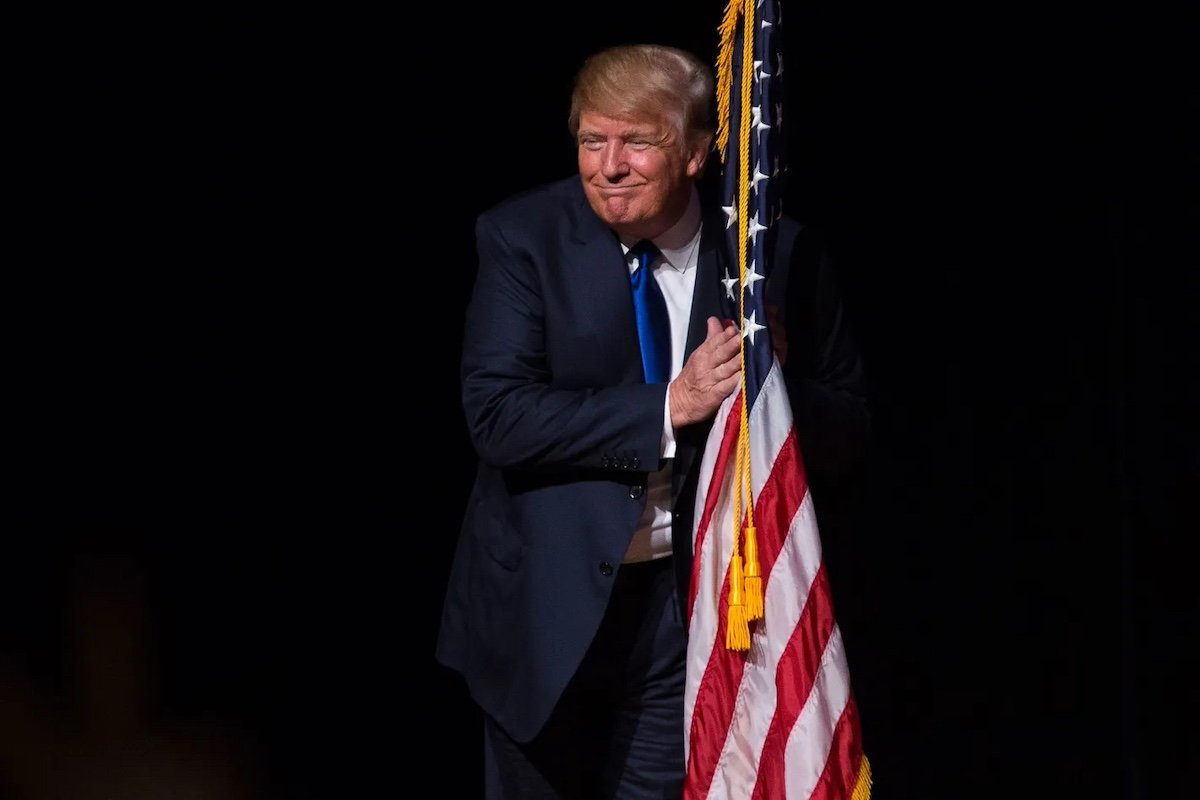
As President Donald Trump prepares for a summit with Chinese President Xi Jinping, a debate is intensifying over whether to allow Chinese automakers to manufacture cars in the United States. China, now the world's largest auto exporter, has long sought a manufacturing foothold in the US market. But more than 70 House Democrats have urged Trump to keep Chinese cars and carmakers out, citing threats to American manufacturing, workers, and national security.
In a letter to the president, the lawmakers demanded maintaining high tariffs on Chinese cars and banning Chinese companies from building vehicles in the US. They warned that 5% of US gross domestic product and 10 million jobs are at stake. The representatives criticized Chinese government subsidies and labor practices that enable low-cost production, which they argue give Chinese firms an unfair advantage.
Yet a more nuanced approach could yield benefits for both sides. Rather than a blanket ban, some analysts propose that Trump invite Xi to allow Chinese car manufacturing in the US under strict conditions. This would force Chinese companies to hire American workers at American wages, eroding their cost advantage and compelling competition on quality rather than price.
Quality Competition Could Boost US Auto Industry
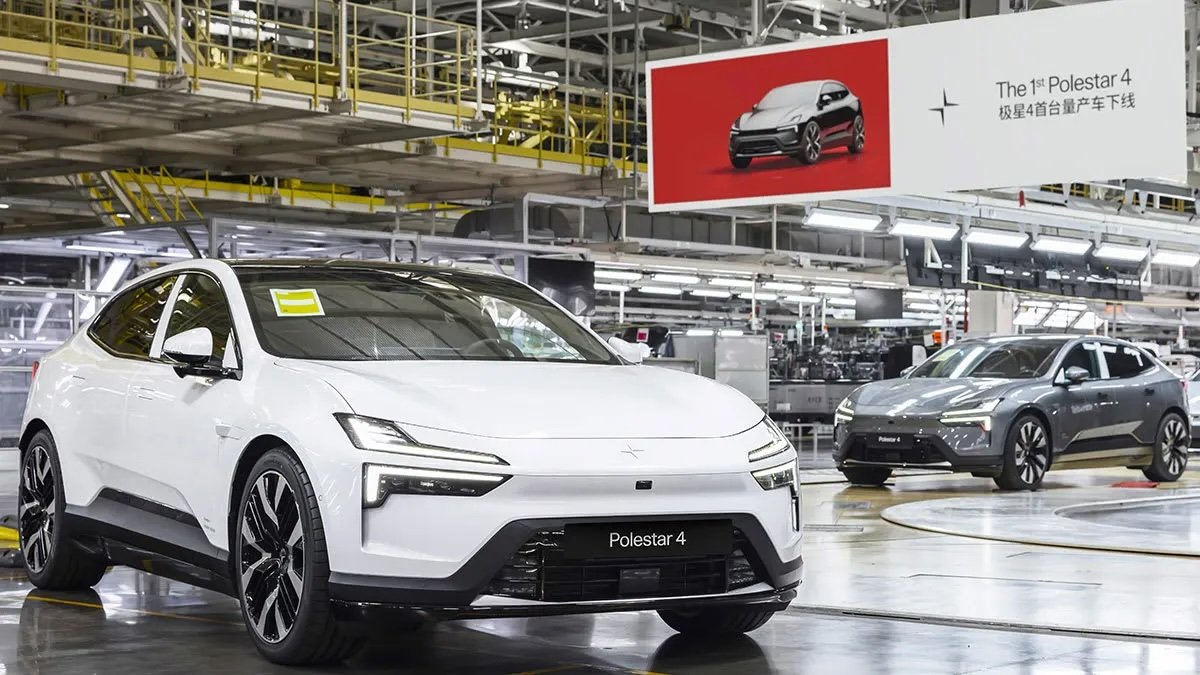
Chinese automakers have demonstrated they can produce quality vehicles. Consumer Reports noted that the Buick Envision, one of four made-in-China cars already available in the US, is among the better small SUVs in its class. General Motors plans to move production of that model to the US by 2028. Other Chinese-made models include the Lincoln Nautilus, Volvo S90, and Polestar 2.
Chinese companies are particularly strong in electric vehicles (EVs), with models offering longer battery range and superior digital platforms. Ford's CEO has called Chinese firms the “700-pound gorilla in the EV industry.” The intense competition in China's domestic market is driving continuous quality improvements, as only the highest-quality makers survive.
History offers a precedent. When Japanese carmakers began manufacturing in the US 40 years ago, they forced Detroit to improve its game, leading to higher American car quality. A similar dynamic could unfold with Chinese automakers, provided the competition is on quality, not price.
One way to ensure this is to borrow from China's own foreign investment playbook. Until recently, China required foreign investors to accept joint-venture partners, facilitating technology transfer. The US could impose conditions such as requiring a US carmaker to hold a 50% stake in any Chinese joint venture, mandating American workers and managers at US compensation rates, ensuring a high percentage of US content, and maintaining high tariffs on Chinese cars sold in the US—at least initially.
If Trump presents this conditional approach to Xi as a win-win, the Chinese gain access to the US market, while the US protects jobs and manufacturing. US consumers would benefit from better cars. Trump also hopes to secure Chinese commitments to buy American soybeans, and a deal on autos could strengthen his hand in those negotiations.
However, if the US hermetically seals itself from Chinese cars, the quality gap between Chinese and American vehicles could widen. The choice is between protectionism that risks stagnation and a conditional opening that spurs innovation. For the Indo-Pacific, where China's auto dominance is growing, the outcome will signal whether the US can compete on quality or retreats behind tariffs.
Related reading: China's Auto Bloodbath: Price and Tech Wars Intensify at Beijing Show and The Donroe Doctrine Is Becoming Everything China Feared.