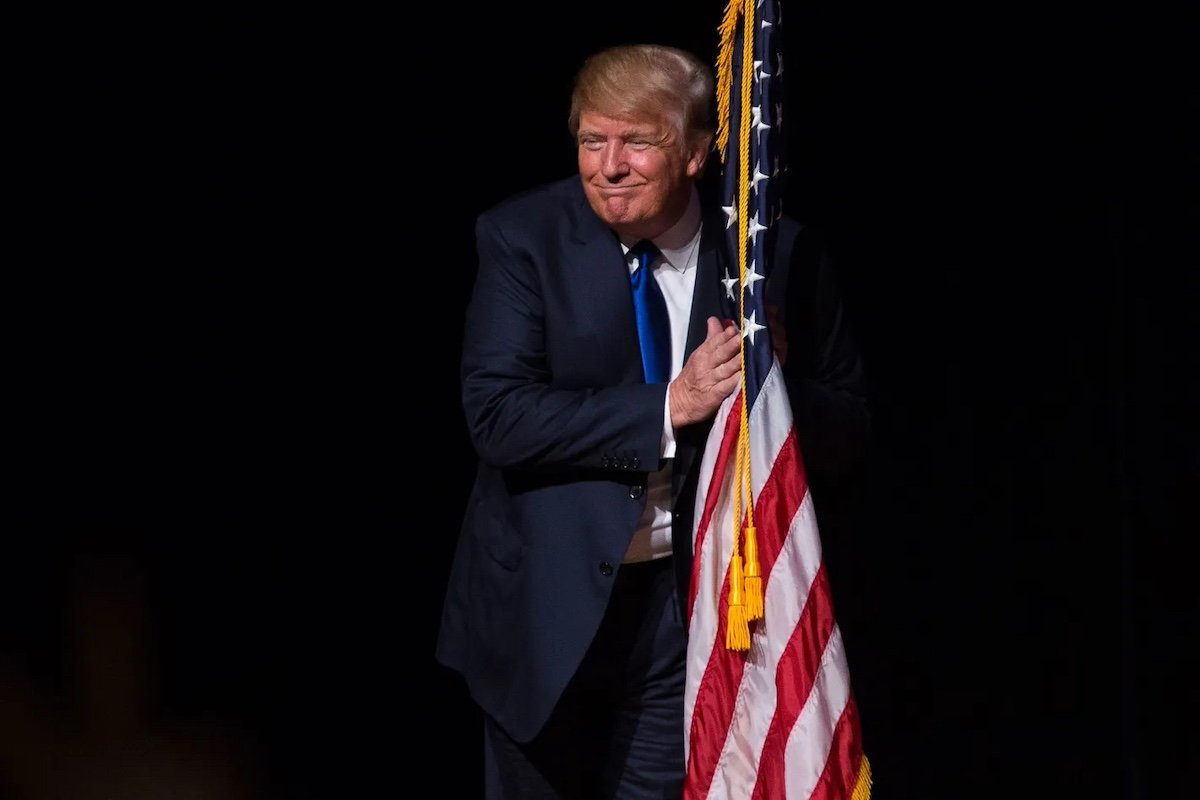
U.S. President Donald Trump has declared a new 15% baseline tariff on imports from all trading partners, a move that follows a Supreme Court ruling which invalidated his previous use of emergency powers to impose sweeping duties. The court found last week that the International Emergency Economic Powers Act did not authorize the president's earlier "reciprocal tariffs."
In a press conference following the ruling, Trump sharply criticized the justices, labeling the Democratic-appointed members who ruled against him a "disgrace to the nation" and expressing shame toward conservative justices who joined the majority. While his remarks contained numerous inaccuracies, he conceded that using the emergency act was an attempt to "make things simple" and acknowledged that pursuing other legal avenues would be more time-consuming.
Legal Scramble and New Tariff Authority
The newly enacted 15% rate replaces a temporary 10% global tariff that was quickly implemented using a different, rarely invoked statute. This law appears to grant the president authority to impose tariffs of up to 15% for a maximum period of 150 days. Trump stated his administration would use this five-month window to explore the use of Section 301 of the Trade Act of 1974, a provision previously used to levy tariffs on China after a 2018 investigation by the U.S. Trade Representative.
However, the Section 301 process is detailed and requires specific steps, including consultations with the countries targeted by the tariffs. Legal experts suggest it could take years or significant administrative resources to implement tariffs approaching the scale of the previous "Liberation Day" duties. The ruling has effectively forced a reset of the administration's trade policy timeline.
Another potential tool, Section 232 of the Trade Expansion Act of 1962, allows for tariffs based on national security threats but is generally product-specific. It was used to impose steel and aluminum tariffs in 2018, but its broad application has been challenged successfully at the World Trade Organization. Trump has previously indicated he does not feel bound by such international rulings.
The Multi-Billion Dollar Refund Question
The Supreme Court's decision means all duties collected under the invalidated emergency powers act were unlawfully collected. Estimates suggest the total refund liability could reach approximately $175 billion. The court's ruling did not specify a process for refunds, a point of contention for Trump who called the decision "terrible" and "defective."
Jurisdiction over refunds likely falls to the U.S. Court of International Trade, which stated in December it would have authority to order refunds if the Supreme Court ruled the tariffs unlawful. Anticipating this outcome, major companies like retailer Costco had already filed lawsuits to secure refunds. In late December, the Court of International Trade temporarily paused all such cases pending the Supreme Court's decision.
While some importers argue the refund process should be straightforward since payments were itemized, Trump predicted litigation could drag on for years. The financial uncertainty for businesses and government revenue is now immense.
Implications for Asian and Indo-Pacific Economies
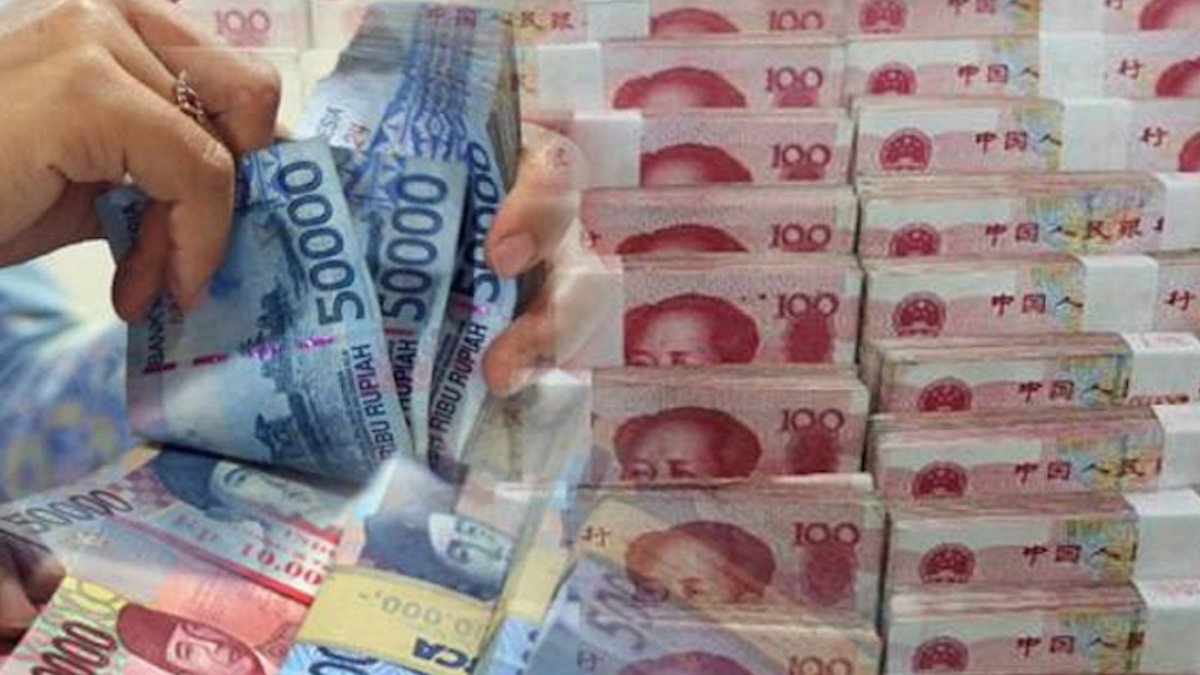
The new 15% tariff levels the playing field for many U.S. trading partners, at least for the next 150 days. For major Asian exporters like China, Japan, South Korea, and Vietnam, the uniform rate replaces a patchwork of previous duties. While exporters do not pay the tariffs directly, they may face pressure to absorb some costs, making their goods less competitive in the U.S. market.
The White House proclamation did list specific exceptions, including beef, critical minerals, energy products, and pharmaceuticals. This provides some relief for specific sectors in countries like Australia, but the overall increase injects fresh volatility into global supply chains. The move comes amid other global tensions, including developments concerning the Strait of Hormuz which could impact Asian energy security.
The policy uncertainty arrives at a sensitive time for the region's economies, which are navigating slower growth in China and shifting geopolitical alliances. The tariff shift could influence economic strategies from New Delhi to Tokyo, as governments assess the durability of the U.S. measures. Furthermore, broader geopolitical turmoil in the Middle East poses additional risks to Asian economies dependent on stable energy supplies.
At his press conference, Trump claimed his actions brought "great certainty" back to the United States and the world. In reality, for businesses and governments across the Indo-Pacific, the legal and trade landscape appears more uncertain than ever. The administration's next steps, and the global legal battles over refunds, will be closely watched in capitals from Beijing to Canberra.