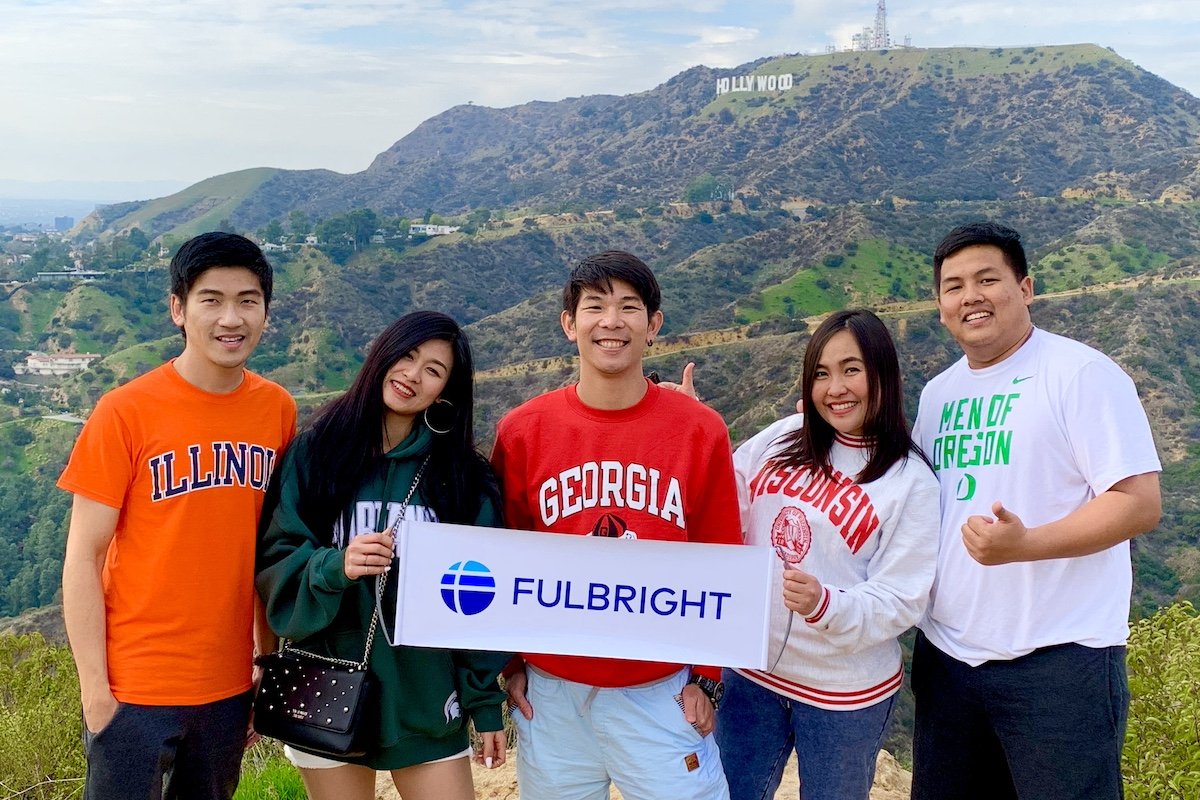
President Donald Trump's Fiscal Year 2027 budget proposes cutting the Fulbright Program by nearly 80%, effectively dismantling the US government's flagship educational exchange initiative in its 80th year. For an informed audience across the Indo-Pacific, this is not merely a domestic budget decision—it signals the collapse of a key pillar of American soft power that once shaped ties with countries from New Delhi to Seoul.
Founded in 1946 by Senator J. William Fulbright, the program operates in over 80% of the world's nations, awarding thousands of grants annually for American and foreign scholars, artists, and professionals to pursue projects abroad. Its stated mission is to foster mutual understanding and peaceful relations. Alumni include 62 Nobel laureates, 82 MacArthur fellows, and 44 current or former heads of state. Yet the proposed cuts, coming alongside Trump's broader foreign policy shifts—including his reversal on Iran and threats to allies—reflect a deeper crisis of legitimacy.
From Cultural Diplomacy to Cultural Rediscovery
Two-time Fulbright grantee and scholar, who conducted research in India in 2016-17 and again in 2023-24, observes a stark transformation. The most notable change is the demographic shift: a surge in Indian-American grantees. During his second grant, the head of the regional Fulbright office in India noted that many US grantees were staying in properties owned by relatives in India. The program's call for American ambassadors to find an "India family" among colleagues and neighbors now rings hollow when many already have family waiting.
The Indian immigrant population in the United States has grown nearly fivefold, from 450,000 in 1990 to over 2.1 million in 2024, according to the Migration Policy Institute. As a result, Fulbright in India has increasingly become a vehicle for cultural rediscovery rather than cross-cultural ambassadorship. While this serves personal goals, it undermines the program's original raison d'être: building mutual understanding between Americans and foreign nationals who might otherwise never interact.
Rejection of US Foreign Policy
The second shift is overt political dissent. At the 2024 South and Central Asia Fulbright Conference, many grantees distributed buttons supporting Palestine and protesting US funding for Israel's war. During the closing session, two Fulbrighter MCs halted the event to read a statement condemning the Biden administration's support for Israel's operations in Gaza. Most participants applauded; no one interrupted the criticism of the Department of State.
This rejection of US foreign policy is not isolated. The end of humanitarian interventionism as a dominant ideology—from George W. Bush's wars in Iraq and Afghanistan to Barack Obama's bombing campaigns and now Joe Biden's bankrolling of what scholars call a genocide in Gaza—has eroded the moral foundation of programs like Fulbright. Trump's own Iran ceasefire and threats to "wipe out" Iranian civilization further undermine any pretense of peaceful diplomacy.
The combination of mass migration and widespread disapproval of US foreign policy has left Fulbright without a convincing justification. For Asian nations that once saw the program as a bridge to American academia and culture, its demise marks the end of an era. As the scholar notes, "I am sad to see that other Americans may not have the same opportunities... but I am not surprised."