Foreign ministries from Tokyo to New Delhi are drowning in data. Intelligence assessments, social media feeds, satellite imagery, economic indicators, and diplomatic cables flood their desks daily. Artificial intelligence promises to cut through this noise: summarizing documents in minutes, tracking political sentiment across countries like India and Japan, detecting emerging crises earlier, and modeling trade flows or military movements.
The appeal is obvious. A foreign minister who once relied on a 20-page briefing note may soon receive an AI-generated dashboard, constantly updated with developments from across the Indo-Pacific. Negotiations could become more data-driven, with governments simulating multiple scenarios before entering talks. For instance, while negotiating a free trade agreement, diplomats could rapidly assess the impact of thousands of tariff combinations—a task that once required weeks of analysis.
Traditionally, major powers like China and the United States held an advantage because they could afford large diplomatic corps and intelligence agencies. AI could partially level the playing field for smaller nations such as Vietnam or Singapore, enabling them to perform analytical tasks previously requiring hundreds of specialists. This democratization of diplomatic capability is tantalizing, though access to the most advanced AI systems may itself become a new source of power.
The Unpredictable Human Factor
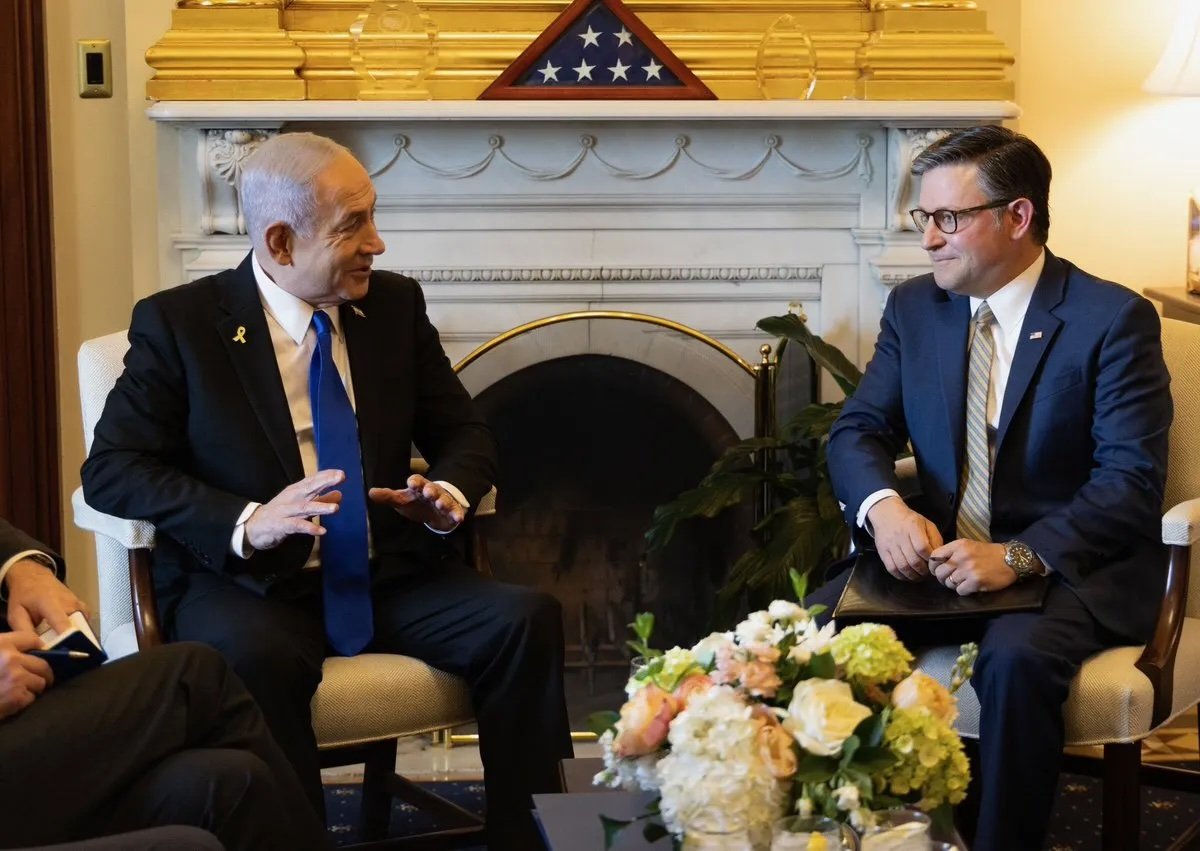
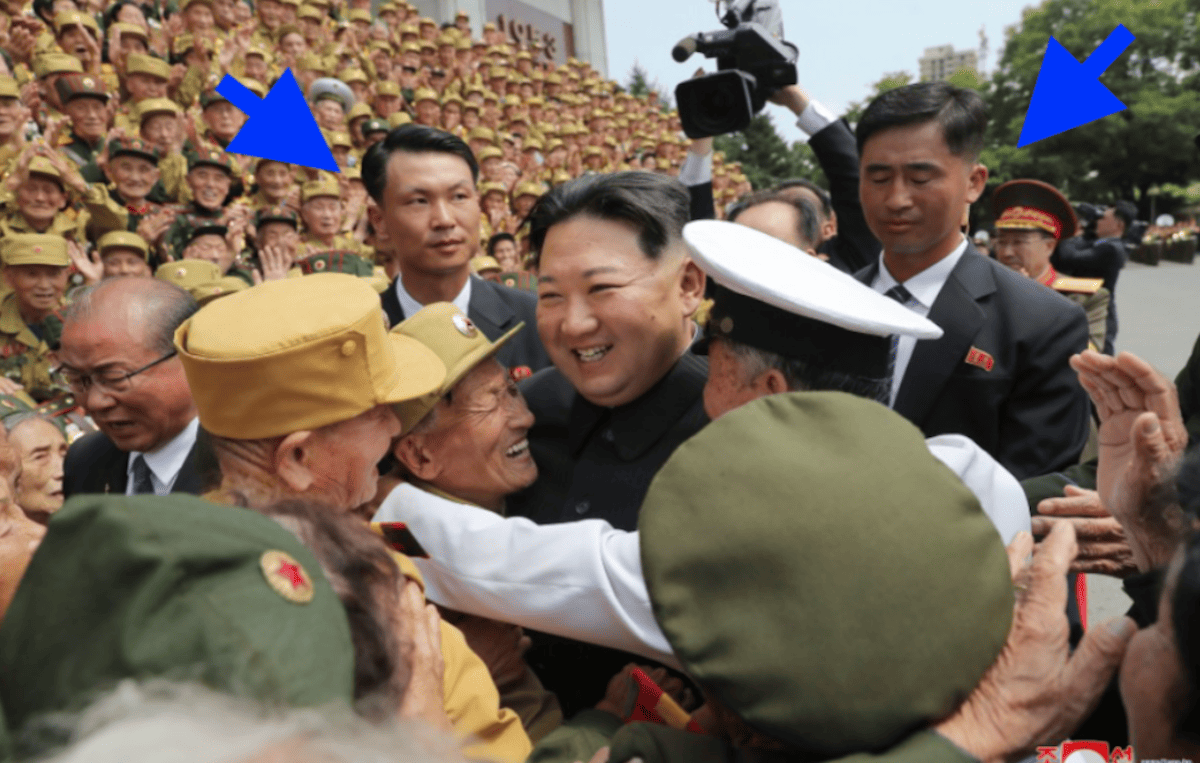
Yet diplomacy has an enduring complication: a single leader can upend all predictions with one unexpected decision. Donald Trump’s tariff escalations and policy reversals, Kim Jong Un’s unexpected military alignment with Russia, and Benjamin Netanyahu’s carrot-and-stick approach in Gaza are stark examples. The Iranians walking out of talks after Trump’s recent threat is another. Can diplomacy really be automated when leaders themselves are so often unpredictable?
Political leaders are not algorithms. The central assumption behind most predictive systems is that actors behave according to identifiable patterns. AI learns from past behavior, detects correlations, and estimates probabilities. This works remarkably well when patterns are stable—say, in predicting consumer behavior or weather patterns. Diplomacy, however, often turns on individuals who deliberately refuse to behave predictably—or, in some cases, rationally.
Consider the recent Iranian Foreign Minister's claims of 'major progress' in Swiss peace talks amid US-Israeli tensions. Such negotiations are shaped by personal rivalries, historical grievances, and the whims of leaders like Supreme Leader Ali Khamenei—factors no algorithm can fully model. Similarly, Trump's Iran deal demonstrated how coercive diplomacy can override data-driven predictions.
This is where the limits of algorithmic diplomacy become starkly evident. AI can analyze sanctions, dissect trade flows, and monitor military movements, but it cannot anticipate a leader's sudden shift in strategy born from ego, ideology, or domestic political pressure. The strategic calculus that led Trump to pull back from renewed war with Iran was not just about data—it was about political survival and personal instinct.
In Asia, where diplomacy often involves complex relationships between countries like China, Japan, and South Korea, the human element is even more critical. A summit between Xi Jinping and Fumio Kishida can hinge on a single offhand remark. The rise of faith chatbots across Asia shows how AI is being integrated into cultural and religious contexts, but it cannot replicate the nuanced understanding required for high-stakes negotiations.
Ultimately, AI will remain a powerful tool for diplomats—but it will never master diplomacy. The art of negotiation requires empathy, intuition, and the ability to read a room, not just data. As long as leaders like Kim Jong Un or Narendra Modi make decisions based on factors beyond the algorithm's reach, the human diplomat will remain indispensable.