The Gaza Board of Peace, a US-led initiative under President Donald Trump, appears to have capitulated to Israeli demands by revising the disarmament roadmap it had agreed with Hamas just days earlier. The move threatens to unravel the fragile ceasefire and could plunge the enclave back into full-scale conflict.
Last week, the Board touted a breakthrough agreement in which Hamas would begin decommissioning its heavy weapons, tunnels, and production facilities in phases, linked directly to a corresponding Israeli withdrawal. Trump himself echoed this, stating that the Israel Defense Forces (IDF) would pull back as disarmament progressed. The roadmap explicitly said that decommissioning "shall be linked to an Israeli withdrawal, in phases."
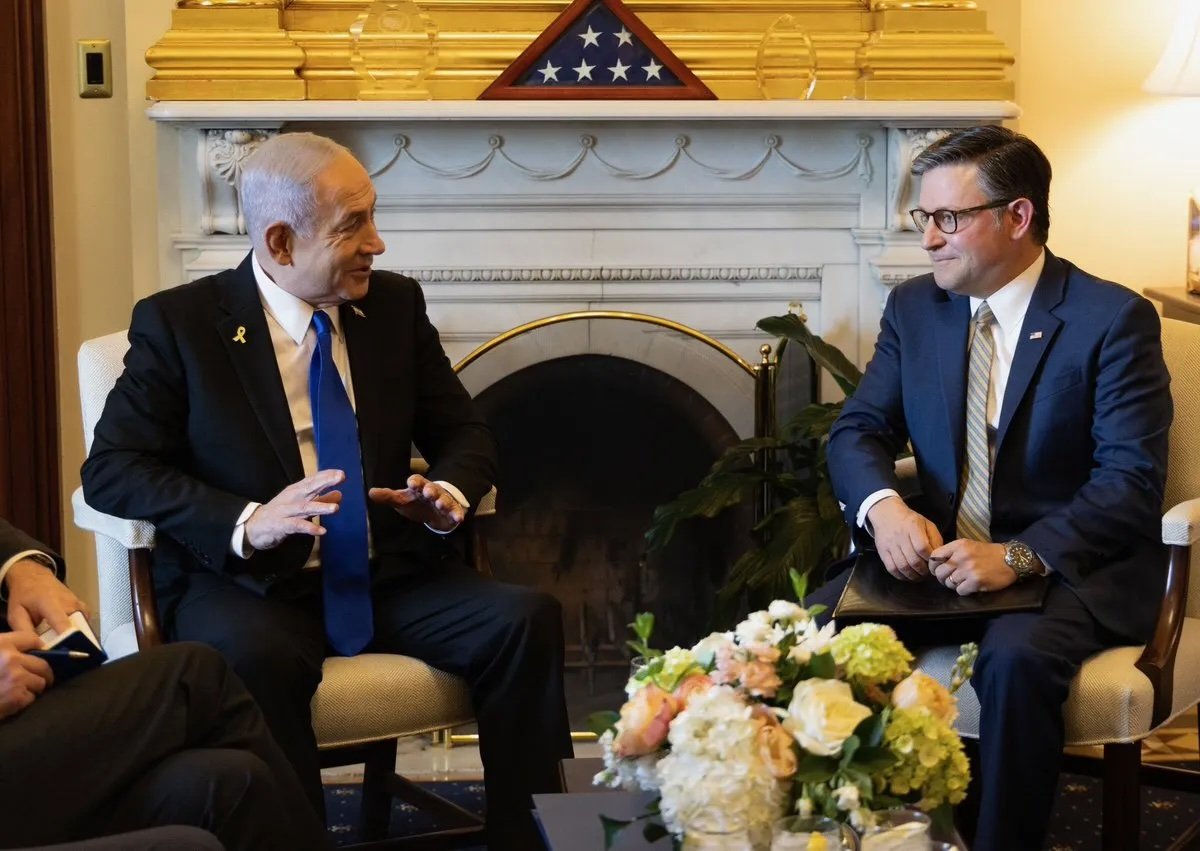
However, Israeli leaders, including Prime Minister Benjamin Netanyahu, immediately objected, insisting that withdrawal could only occur after Hamas completely disarmed. In defiance of the agreement's language to honor ceasefire commitments "without delay," Israeli forces launched attacks across Gaza on Sunday, killing at least 18 Palestinians—the highest daily toll in weeks. Israeli Energy Minister Eli Cohen, a member of Netanyahu's security cabinet, told Army Radio that there was no deal for Israel to halt its attacks.
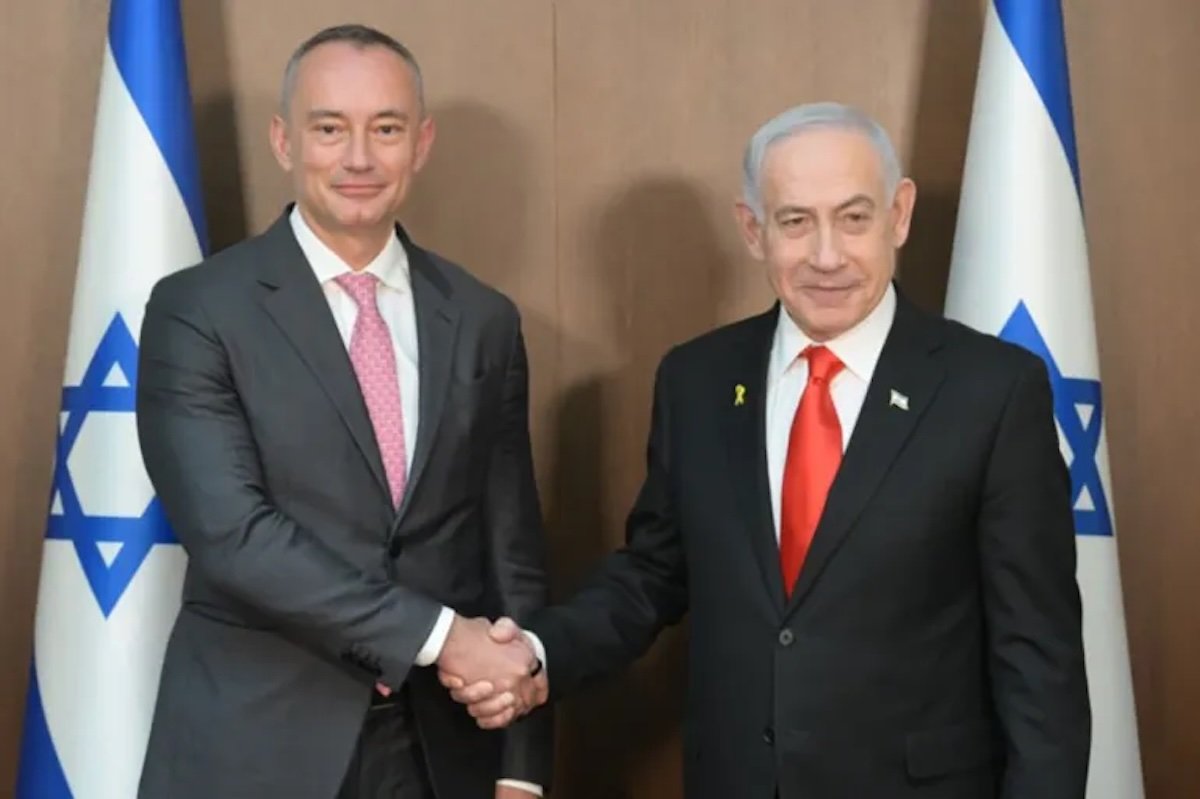
The pressure appears to have worked. Following meetings between Netanyahu and the Board's Gaza envoy, Nickolay Mladenov, the Board released a statement on Monday that effectively rewrote the original agreement to match Israel's position, claiming it had always been part of the deal. "Contrary to inaccurate reports, we note that the withdrawal of the IDF beyond the Yellow Line will take place only once decommissioning is complete, as Hamas committed to the mediators," the statement read. "This applies to light weapons, heavy weapons, and the tunnels alike."
This reversal directly contradicts Mladenov's own flat statement on Thursday that "withdrawal must move in lockstep with decommissioning." Hamas responded by reiterating its commitment to the original agreement and demanding "a clear and official response" from Mladenov.
Critics accuse Board of betraying the deal
Muhammad Shehada, a political analyst from Gaza at the European Council on Foreign Relations, accused the Board of "betraying the very agreement they just made" and "taking Netanyahu's side fully." He noted that the roadmap distinguished between heavy weapons and personal/light weapons, allowing Palestinian factions to retain light weapons for protection in case Israel reneges. "Including light weapons now in this tweet is Netanyahu's way of sabotaging the agreement," Shehada wrote on social media.
Tariq Kenney-Shawa, associate director of editorial at the Institute for Middle East Understanding, said the Board's abrupt reversal "shouldn't surprise anyone." He described the Board as "the administrative and fundraising arm of Israel's occupation of Gaza," existing to facilitate ethnic cleansing and concentration camps in a way that is palatable to the international community.
Since the ceasefire took effect in October 2025, Israeli attacks have killed more than 1,200 Palestinians, bringing the official death toll above 73,000. Experts warn the true number is likely far higher. July was the deadliest month this year, with over 150 Palestinians killed. Israeli leaders have discussed fully "conquering" the strip, controlling it indefinitely, and moving in illegal settlers.
The Board's reversal comes amid broader regional tensions, including the ongoing Iran conflict and Israel's strategic dilemmas in a multipolar Middle East. The peace process, already fragile, now faces an uncertain future as both sides dig in.