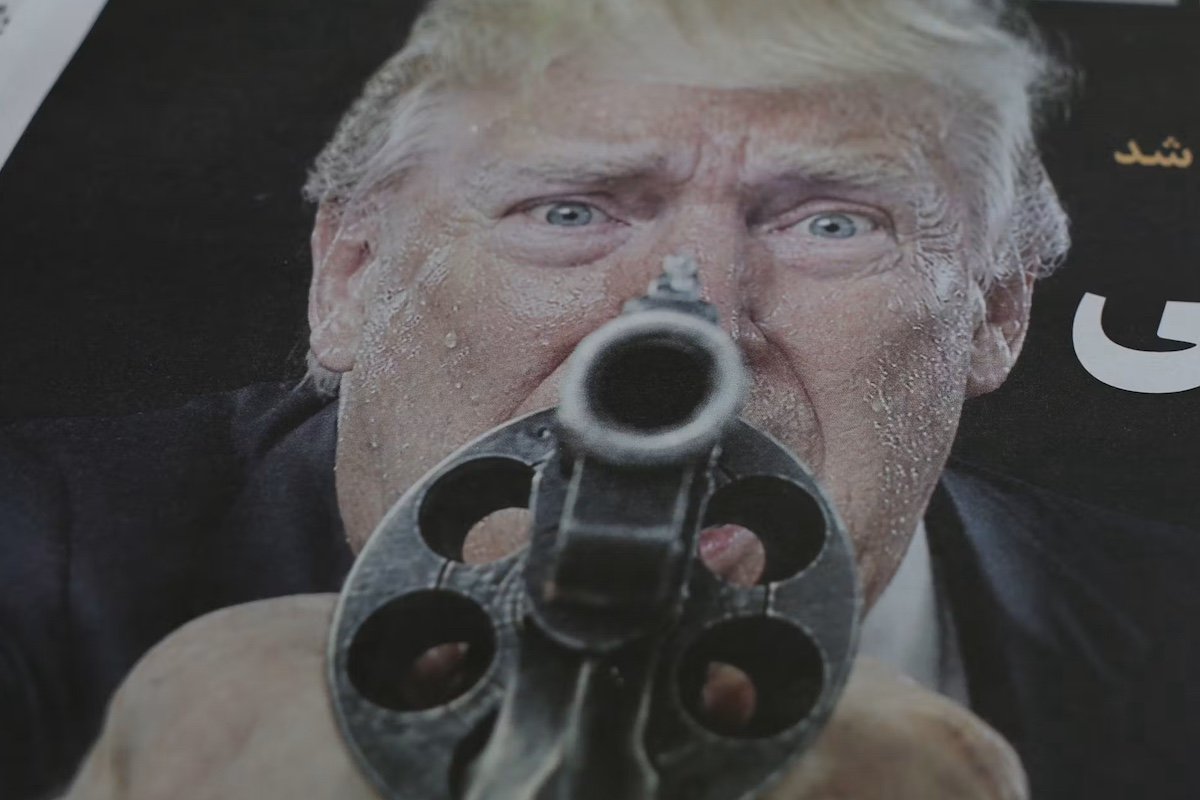
Seven months after President Donald Trump launched what he called a “little excursion” against Iran, the United States is mired in a conflict it cannot easily win or quit. The war, which began in late February at the urging of Israeli Prime Minister Benjamin Netanyahu, was supposed to be brief and cheap. Instead, it has become a grinding stalemate, punctuated by periodic exchanges of fire and no serious diplomacy in sight.
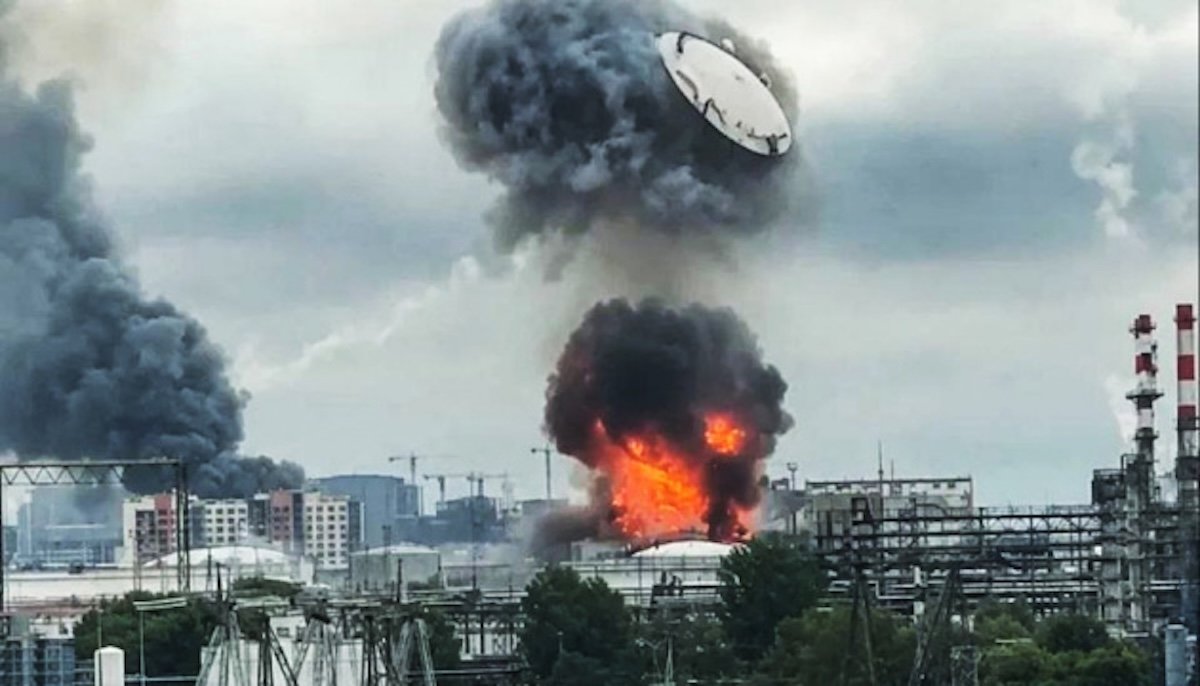
This week, the two sides traded strikes again: US forces hit Iran's Larak island, while the Islamic Revolutionary Guard Corps (IRGC) retaliated against American bases in Jordan and the United Arab Emirates. The Strait of Hormuz, a vital chokepoint for global oil shipments, remains effectively closed, despite Trump's claim that the war would reopen it. Before the conflict, the strait was open to free navigation, and experts say Iran was not on the verge of building a nuclear weapon—yet the administration used both as justifications for war.
A war built on miscalculation
Trump and his defense secretary, Pete Hegseth, repeatedly promised a short, low-cost campaign, contrasting themselves with previous presidents who had dragged the US into long wars. But they acted without a coherent strategy. They underestimated Iran's resilience and preparedness, and they failed to anticipate how Iranian society would rally behind the regime in the face of foreign attack.
Despite early claims of victory—Trump proclaimed that Iran's defenses had been destroyed and that Tehran was ready to accept a peace deal—the reality was different. Iran not only maintained and rebuilt its offensive capabilities faster than expected, but it also seized control of the Strait of Hormuz as a powerful bargaining chip. By May, Tehran had the upper hand and was in no mood to negotiate unless its key demands were met: a ceasefire on all fronts, including Israel's offensive against Hezbollah in Lebanon; the unfreezing of billions of dollars in Iranian assets; war reparations; a say in managing the strait; and a permanent end to US and Israeli threats.
In June, Trump signed a vaguely worded memorandum of understanding with Iran's hardline leadership, which was then dominated by the IRGC. The deal was favorable to Tehran, and Trump soon came under fire from Republican heavyweights and Netanyahu. He backed out and launched new attacks. Tehran, for its part, saw no reason to save the agreement—it was in its interest to inflict as much political damage on Trump as possible.
Sanctions: a blunt instrument
With midterm elections approaching, the Trump administration last week announced Operation Economic Outcast, a sweeping sanctions regime aimed at strangling Iran's economy and isolating it globally. Treasury Secretary Scott Bessent called it “Economic D-Day.” But history suggests this approach is unlikely to force capitulation.
China and Russia have rejected the move, and none of Iran's neighbors—Pakistan, Iraq, Turkey—have agreed to enforce the sanctions. Only the UAE, which coordinates closely with Washington and Israel, has paused financial transactions with Iran. Sanctions have rarely worked as a pressure tool; the notable exception was against apartheid South Africa, when they were applied uniformly. Iran's regime has survived US-led sanctions for most of its 47 years in power, relying on self-sufficiency and diversified trade partners. The Iranian people will bear the brunt of the new measures, but the regime will likely weather them again.
Regional realignment
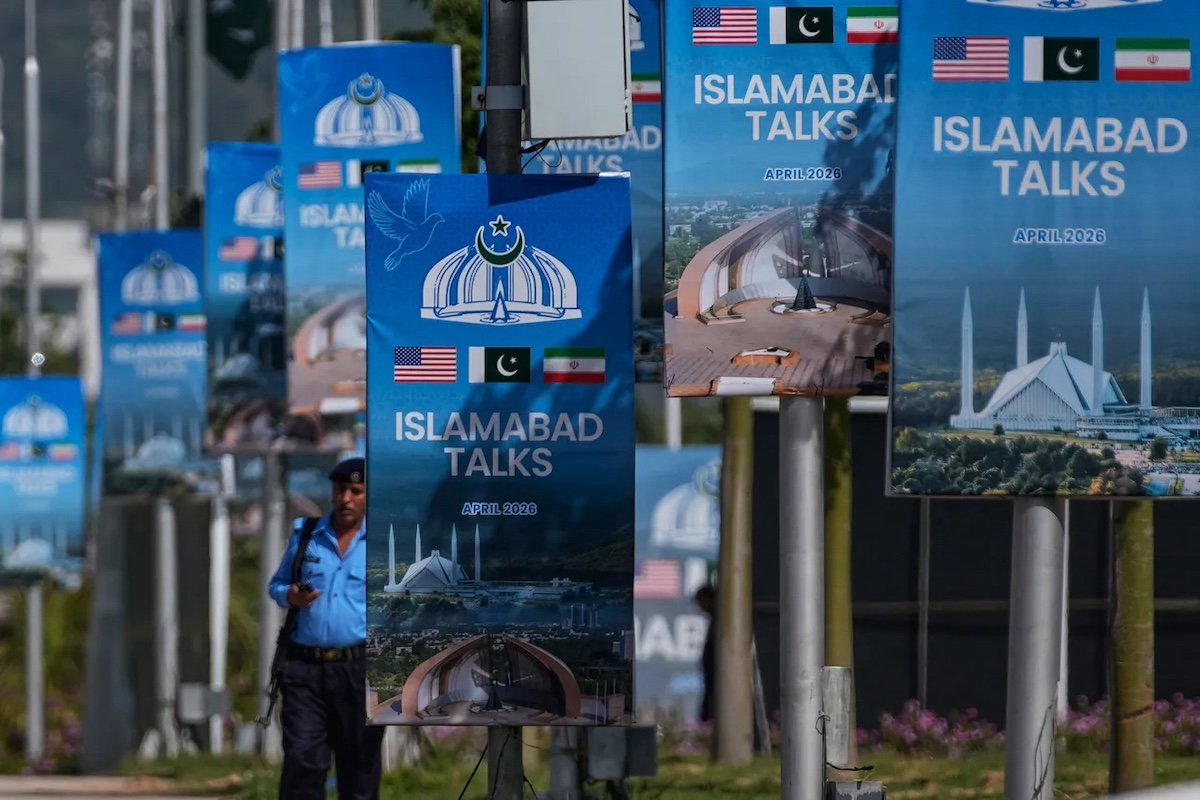
The standoff cannot continue indefinitely. The closure of the Strait of Hormuz is exacting a heavy toll on regional and global economies. Both Tehran and Washington need to return to the June memorandum and engage in direct negotiations. Pakistani and Qatari mediators remain active, and Gulf states are eager for an end to the conflict—but they are also preparing for a future in which Iran is a strong regional actor and the US is a less reliable security provider.
Saudi Arabia, the wealthiest Gulf state, recently forged a mutual defense pact with Turkey and Pakistan—two of the most capable militaries in the region. Egypt has shown interest in joining, and Iran has welcomed the initiative. This realignment reflects a broader shift: as Trump's second term accelerates a global move away from US leadership, regional powers are seeking their own security arrangements.
The only realistic path to ending the US-Iran war is diplomacy. It is a tall order, but it is possible. The alternative—continued escalation—risks a wider conflagration that no one can afford.