Ukrainian President Volodymyr Zelensky's recent outburst against US President Donald Trump was an emotional reaction to Trump's request that Ukraine refrain from striking Russian oil refineries. But by publicly attacking Trump, Zelensky has shown a lack of strategic judgment that could cost Ukraine dearly.
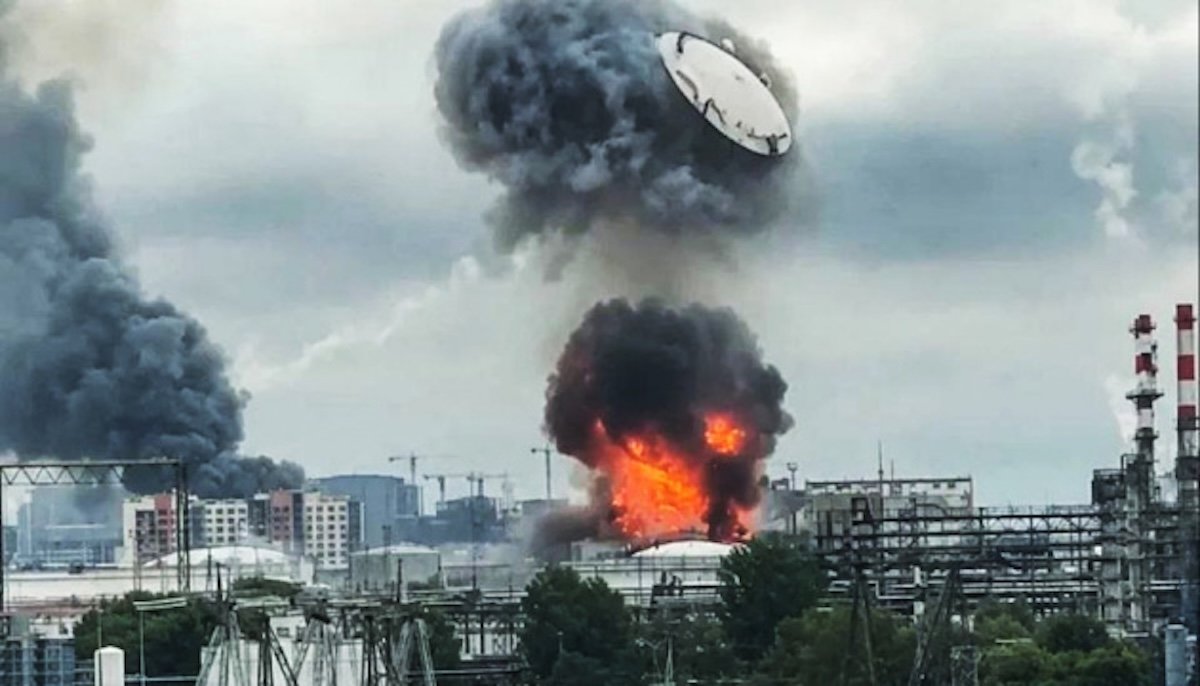
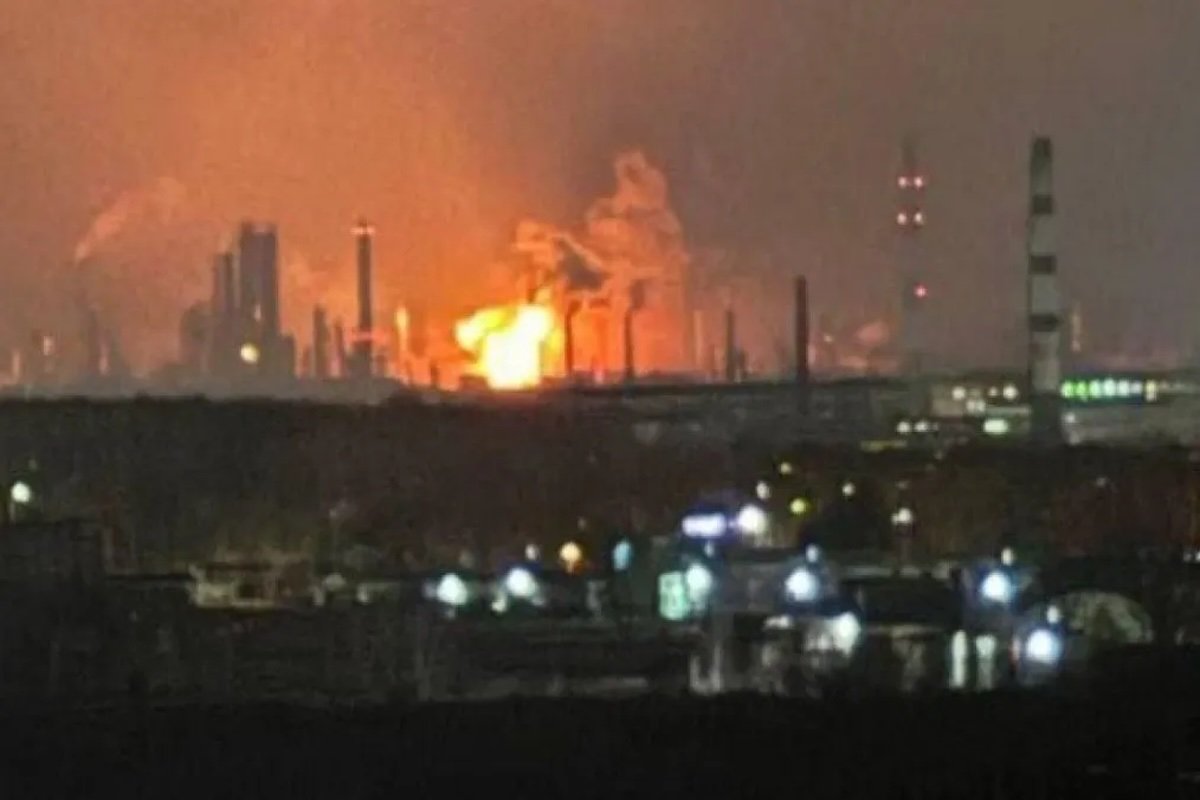
According to Russian Deputy Prime Minister Aleksandr Novak, Ukrainian drones targeted the Ryazan Oil Refinery on October 14-15, 2026, igniting multiple fires. Another strike hit a facility in Saratov, though details remain scarce. Zelensky defended the attacks, claiming Russia had violated an alleged energy ceasefire—but no such agreement was ever formally reached.
A widening rift with Washington
Zelensky also accused the US of slowing Starlink feeds and failing to warn Kyiv about incoming Russian missiles. While US satellites can detect ballistic missile launches, Russian military experts suggest that missiles fired at Kyiv on October 12-13 were launched from converted S-400 air defense systems in Donetsk, not from Russian territory, giving only seconds of warning—too little for effective notification.
The tension is not new. In mid-September, Ukrainian forces struck two Russian S-400 launchers in Bryansk Oblast, likely to protect their own Neptune missiles targeting Moscow. But the broader issue is that Washington sees Zelensky as uncooperative, particularly on energy policy, which is a priority for the Trump administration.
Zelensky's allies in Congress and Europe may offer some support, but the US president holds the reins on foreign policy. After the November election, Trump will have more freedom to slow arms deliveries, restrict intelligence sharing, or even negotiate with Moscow—leaving Zelensky with little recourse.
On October 14, Zelensky traveled to London, where he received a hero's welcome and met King Charles at Buckingham Palace. The UK promised some anti-drone technology, but little else. Zelensky's European support may seem solid, but political shifts could change that quickly.
In the UK, Nigel Farage's Reform party opposes fighting for Ukraine and demands elections. In France, presidential candidate Marine Le Pen advocates halting direct financial aid to Ukraine, citing domestic debt and criticizing European energy sanctions as self-destructive. Germany's AfD is also gaining ground with similar views.
Zelensky's personal attacks on Trump may have ruptured the relationship beyond repair. As the strategic rift over refinery strikes deepens, Ukraine's future hangs in the balance. The coming months will test whether Zelensky can navigate this diplomatic minefield or whether his temper has sealed Ukraine's fate.