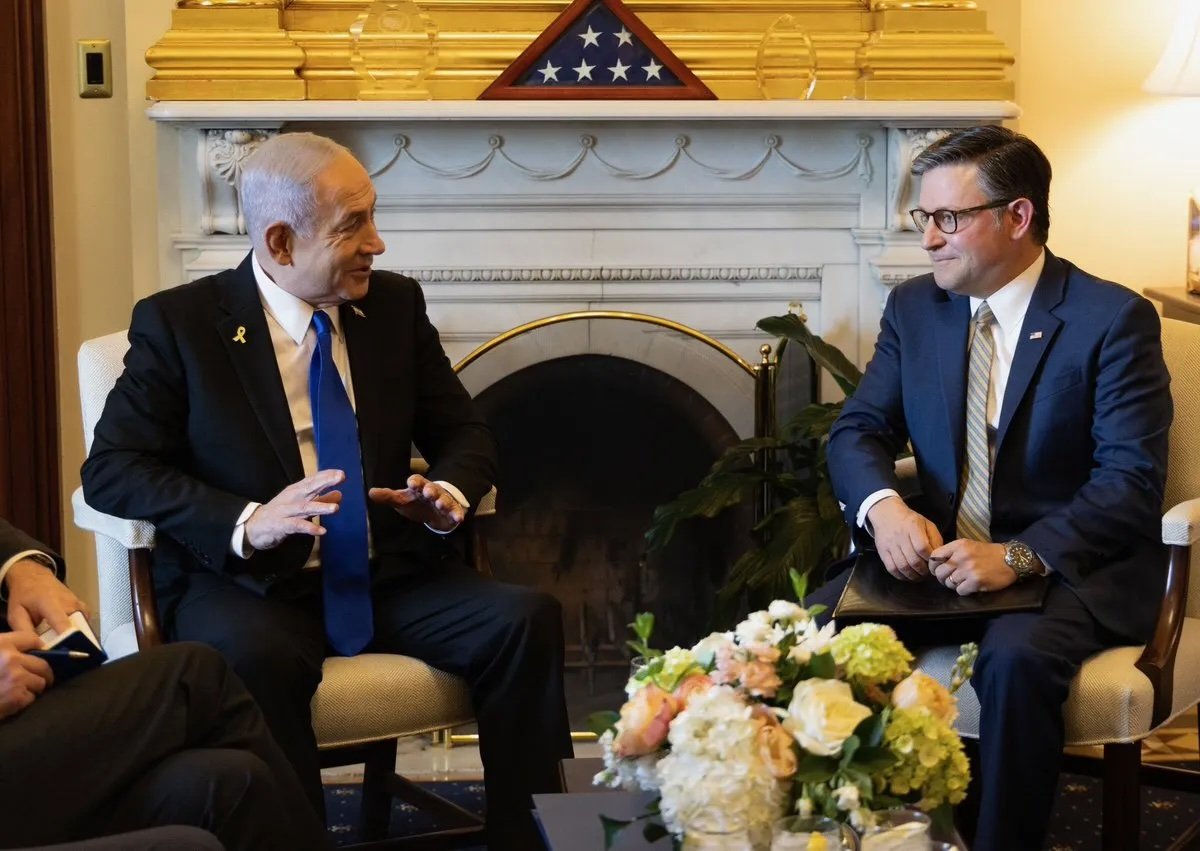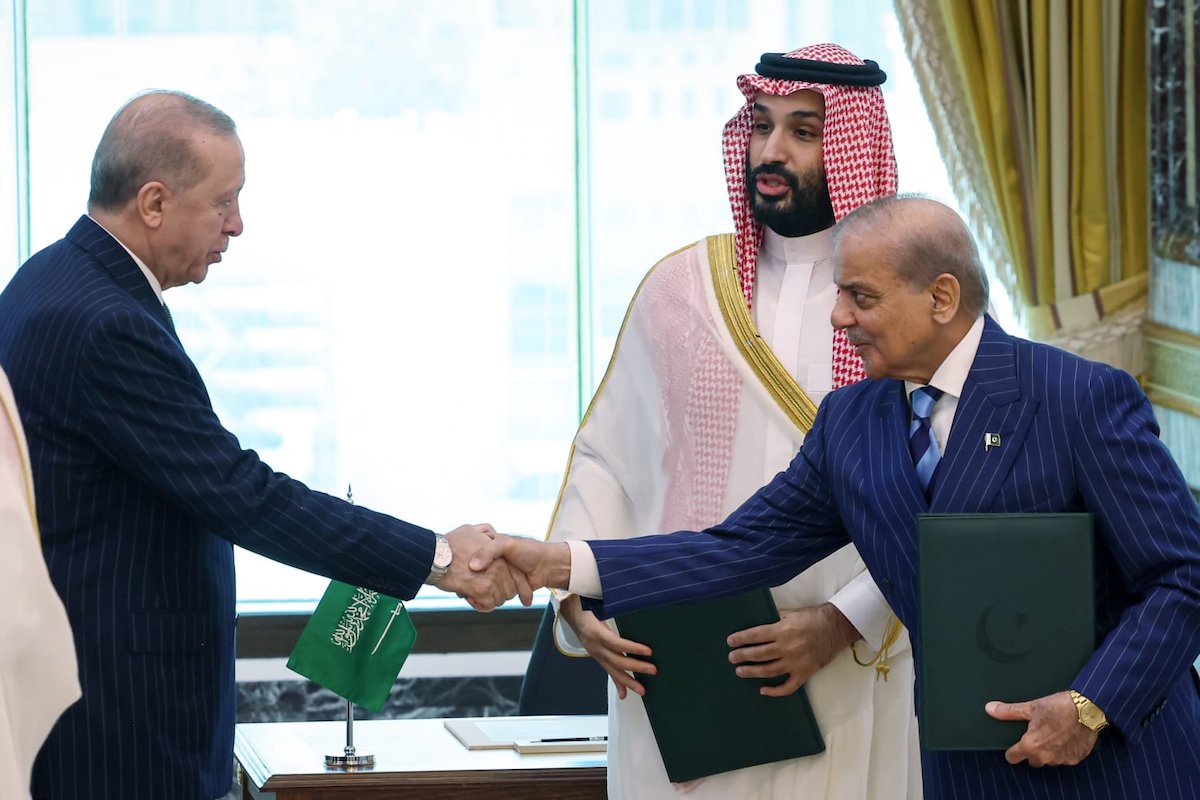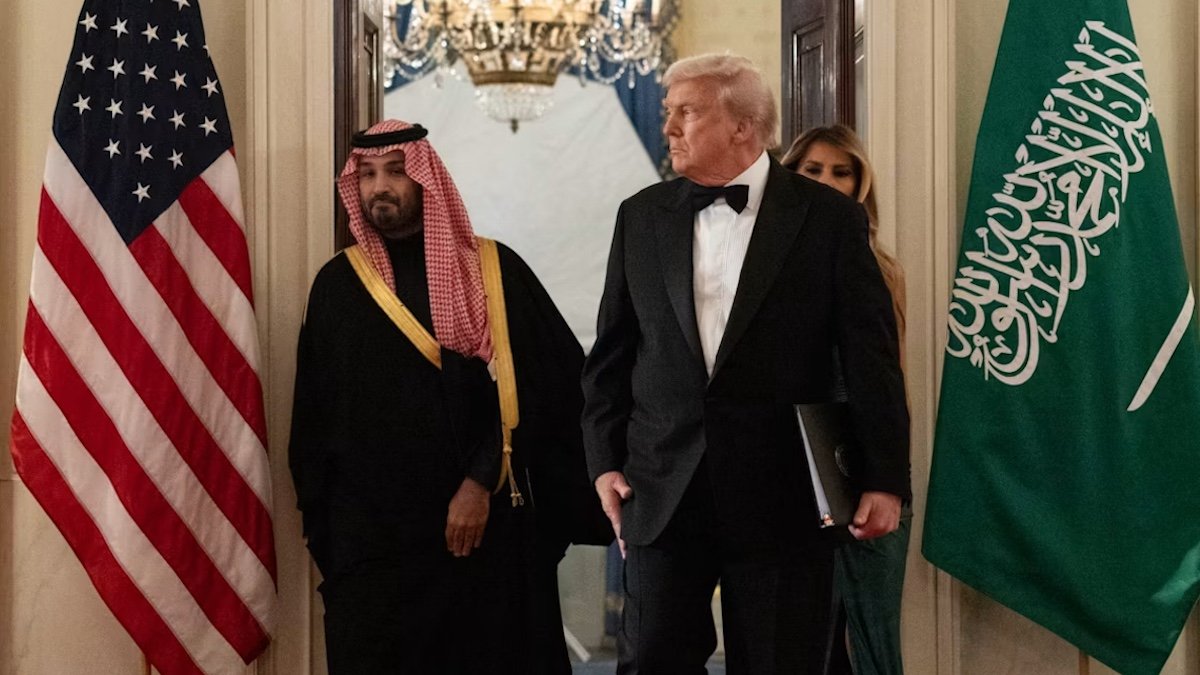
On May 25, as negotiations to end the Iran war continued, former US President Donald Trump made a series of phone calls urging key Middle Eastern leaders to join the Abraham Accords. Originally signed in 2020, these accords normalized diplomatic relations between Israel and the United Arab Emirates (UAE) and Bahrain. Trump later posted on social media that it should be "mandatory" for all countries in the region to sign the accords simultaneously, even suggesting Iran could participate.
This proposal, however, is widely seen as unrealistic. One unnamed former US diplomat told Politico on May 26 that Trump's comments were a "poison pill," creating "conditions for peace that neither Iran nor the states in question will accept." The core problem is that Trump misjudges the deep anger across the Middle East over Israel's military campaigns in Gaza and Lebanon.
Regional Anger Over Gaza and Lebanon
Since 2023, Israel's military operation in Gaza has killed over 70,000 people and injured 170,000, with many international observers labeling the campaign a genocide. In southern Lebanon, Israel has used ground troops and air attacks since the start of the Iran war, aiming to create a buffer zone against Hezbollah. More than 3,200 people have died there, and millions have been displaced, despite a ceasefire signed in April between Israel and the Lebanese government.
This destruction has strained relations even among the original signatories. Bahrain recalled its ambassador to Israel shortly after the Gaza war began, though both Manama and Abu Dhabi have maintained trade and security ties with Israel, arguing that engagement serves their national interests. But they remain outliers.
Other regional powers are far less willing. When US officials visited Saudi Arabia in 2024, Crown Prince Mohammad bin Salman reportedly said he feared being killed if he normalized relations with Israel. Saudi officials have repeatedly stressed that normalization will not happen without irreversible steps toward Palestinian statehood. Meanwhile, tensions between Israel and Turkey have escalated: former Israeli Prime Minister Naftali Bennett called Turkey "the next Iran" in February, and in May, Israeli Culture Minister Miki Zohar declared Turkey should be treated as "an enemy state."
Qatar remains furious over Israeli strikes on Doha in 2025, which targeted Hamas figures the country was hosting as part of US-requested mediation. The strikes led to a now-infamous White House photo of Trump overseeing Israeli Prime Minister Benjamin Netanyahu as he called Qatari Prime Minister Sheikh Mohammed bin Abdulrahman Al Thani to apologize.
Iran Normalization a Fantasy
The idea of Iran joining the accords is even more far-fetched. Hostility between Israel and Iran dates to the 1979 Islamic Revolution, after which Tehran backed the Palestinian cause and later Hezbollah. Israel has responded with military strikes on Iranian targets and assassinations of nuclear scientists. Asking Iran to disregard nearly half a century of enmity without reconciliation efforts is, as one analyst put it, farcical.
Why, then, has Trump pushed this? One reading is that he aims to appease domestic US and Israeli constituencies pushing for wider normalization. Another is that he seeks to block diplomatic progress on Iran by demanding an impossible condition. A third view is that he hopes to distract from the destruction in Gaza, the West Bank, and Lebanon by offering a transactional deal based on trade and security. But as Trump will discover, this is a long shot. As our earlier analysis noted, the accords' expansion was already faltering before the current conflicts. And with Israeli ministers vowing to block any Iran deal, the prospects for Trump's vision are dim.