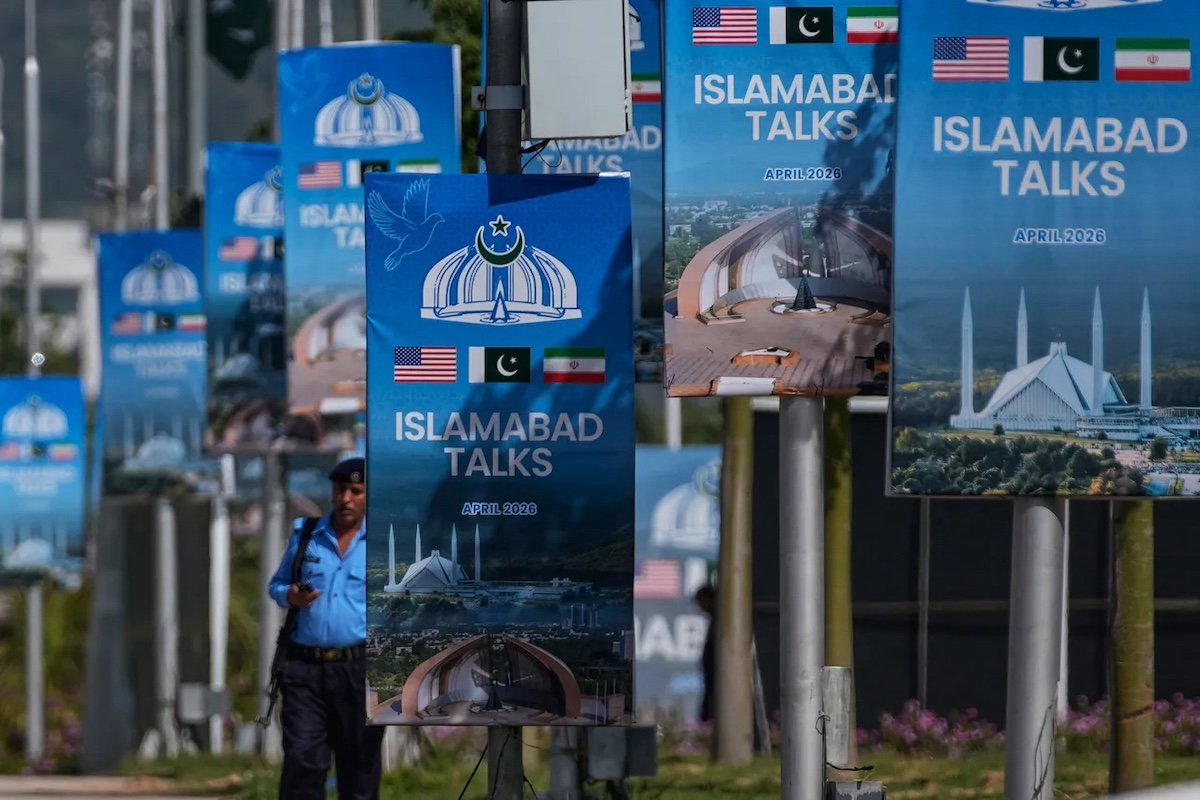
As the United States and Iran pursue a peace deal to end their months-long conflict, President Donald Trump has introduced a new condition: that Middle Eastern nations sign onto the Abraham Accords, normalizing relations with Israel. This demand, made in a weekend phone call with Saudi Arabia, Qatar, Pakistan, the United Arab Emirates, Bahrain, Turkey, Egypt, and Jordan, reflects a strategic bind for Washington and Jerusalem.
The US and Israel are militarily and economically weaker than when they launched Operation Epic Fury against Iran in late February. Their carefully cultivated alliances with Persian Gulf states are under strain, as these ties failed to prevent Iranian attacks on Gulf territory. Meanwhile, Iran, despite losing many leaders in devastating strikes, appears more powerful than ever.
Both Trump and Israeli Prime Minister Benjamin Netanyahu urgently need a symbolic victory ahead of the US midterm elections and Knesset elections later this year. The Abraham Accords, which Trump has long touted as a signature foreign policy achievement of his first term, are being revived as that prize. But the region has changed.
Why the Accords Are Struggling
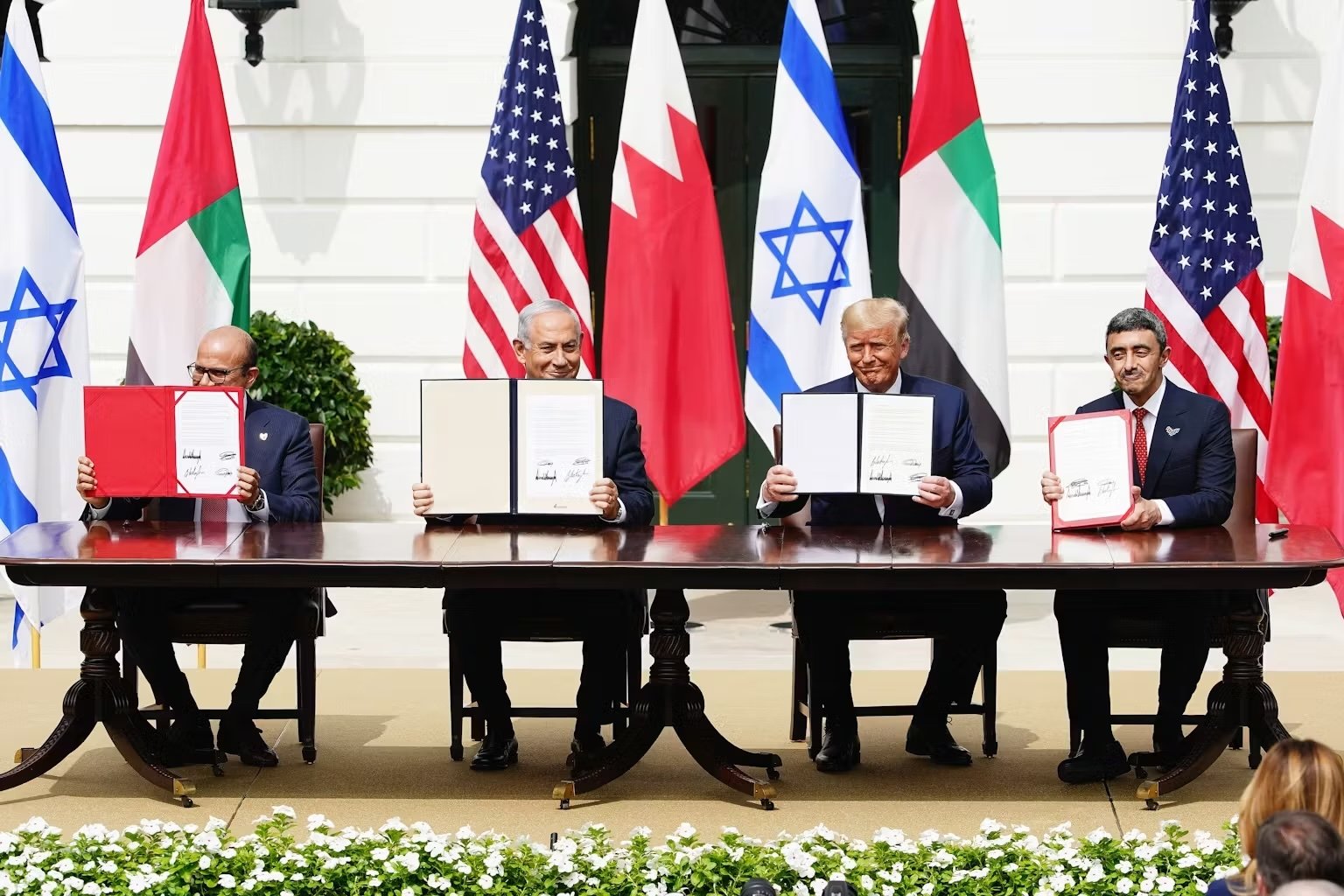
The Abraham Accords, brokered by Trump’s son-in-law Jared Kushner, were designed to resolve the Palestinian-Israeli conflict by offering economic incentives at the expense of Palestinian statehood. Since 2020, the UAE, Bahrain, Morocco, Sudan, and Kazakhstan have signed on, lured by arms deals, diplomatic recognition, and other benefits. Yet the jewel in the crown—Saudi Arabia—remains elusive.
Riyadh has publicly insisted on firm guarantees of Palestinian self-determination before normalizing with Israel. This stance hardened after Israel’s devastating war on Gaza, which began in October 2023. Hamas’s attacks that month were partly aimed at derailing Saudi-Israeli normalization talks, and they succeeded.
Other regional powers like Pakistan, Qatar, and Turkey face restive populations overwhelmingly supportive of Palestine. Pakistan has already rejected Trump’s demands, and Saudi Arabia is expected to follow. The US would need to apply immense pressure and offer substantial carrots to change their calculus.
“The Abraham Accords are simply too toxic in their current form for most countries to entertain,” noted one regional analyst. The region is increasingly seeking its own solutions, such as Saudi Arabia’s reported proposal for a non-aggression pact that includes Iran.
Trump’s push also comes amid broader US strategic overreach. As detailed in Trump's $1.5 Trillion Military Budget Risks Strategic Overreach in Asia, Washington’s military commitments are straining resources. The US weapons stockpile is depleted, global energy shocks fuel domestic discontent, and Gulf allies question the US security umbrella.
For Netanyahu, securing new signatories would help craft a narrative of regional integration as Israel continues its destruction and occupation of southern Lebanon against Hezbollah. But this is a paltry prize compared to removing the Iranian threat, and it may not offset growing pushback from an overstretched Israeli army.
Public opinion across the Middle East is rapidly eroding against Israel, even among Trump’s MAGA base. The US also faces Israeli reluctance to any Iran peace deal, as noted in GOP Hawks Sound Alarm as Trump Weighs Deal to End Iran Conflict.
In a region undergoing dramatic strategic reconfiguration, the Abraham Accords are increasingly seen as a US-imposed framework. Countries like Saudi Arabia are reshaping the region on their own terms, leaving Trump’s initiative struggling for relevance.