Earlier this month, US Defense Secretary Pete Hegseth defended the Trump administration's proposed $1.5 trillion military budget for FY2027 before House and Senate appropriators. The request, a 66% year-over-year increase, aims to deliver what President Trump calls a "Dream Military" capable of defeating any adversary. Yet the blueprint faces significant hurdles in Congress and risks undermining US strategic interests across the Indo-Pacific.
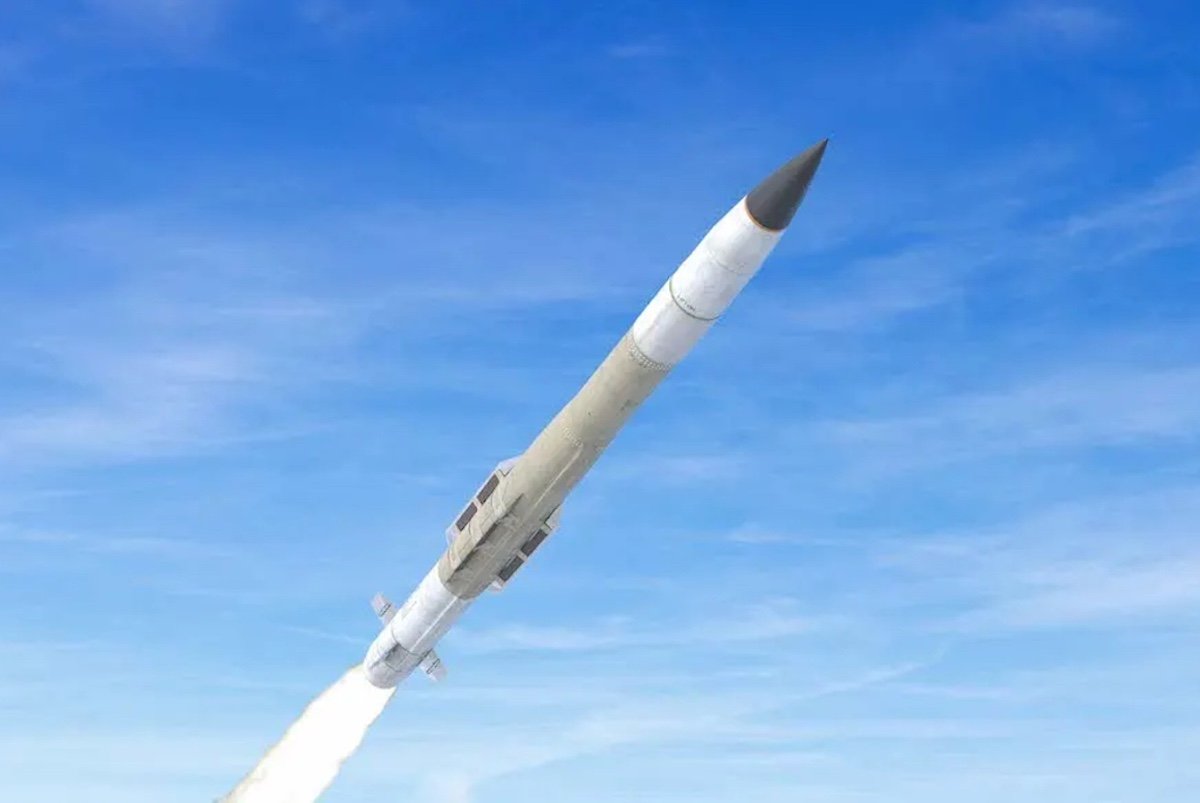
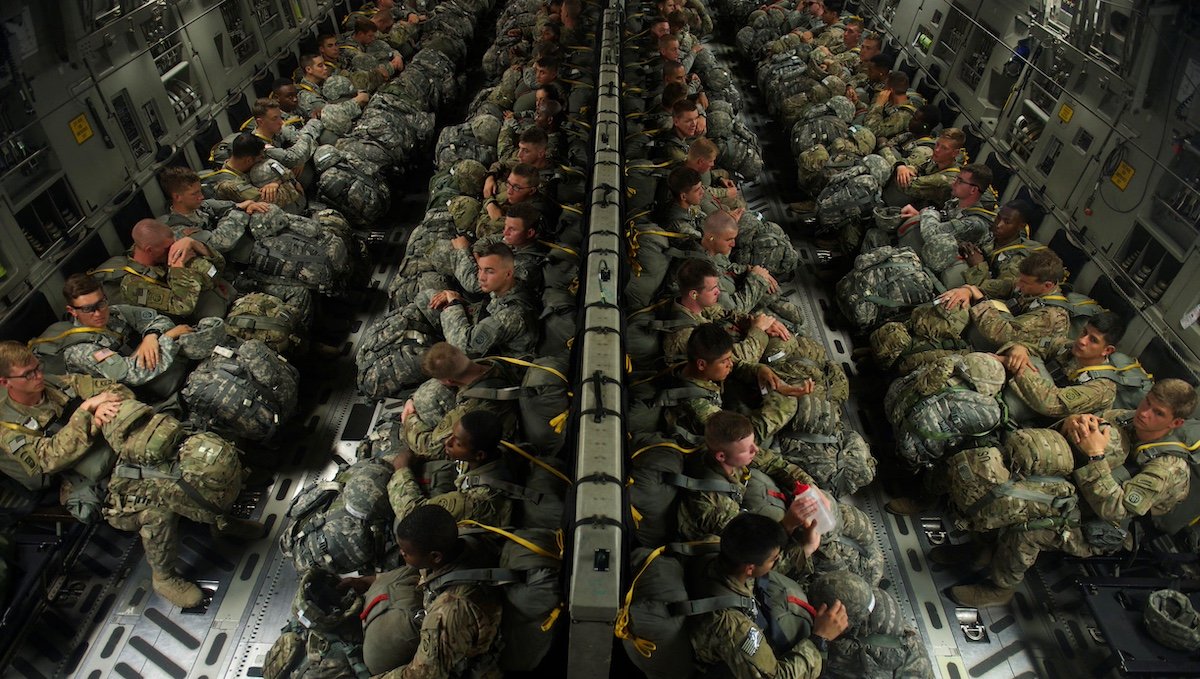
The budget would lift US defense spending from 3% to 4.5% of GDP, a level not seen since the Cold War. Proponents argue it is necessary to counter a rising China and a resurgent Russia, while reassuring allies like Japan, South Korea, and Australia. The proposal includes 5-7% salary hikes to address Pentagon recruitment woes, $65.8 billion for shipbuilding to close the gap with China's navy, and major investments in munitions and missile defense depleted by conflicts in Ukraine and Iran.
Congressional and Fiscal Hurdles
Securing funding will be a heavy lift. The White House wants $1.15 trillion through regular appropriations and $350 billion via reconciliation, which Senate Republicans can pass without Democratic votes. But Congress rejected many of the administration's demands last year, and Republicans remain divided over spending priorities. Some resent the lack of transparency regarding the war in Iran, while others oppose proposed cuts to social programs that could hurt them in the 2026 midterms. The plan offsets military spending with a 10% reduction ($73 billion) in healthcare and social services, a move that Democrats—who made gains in November—are likely to block.
Even if partially enacted, the budget could weaken America's financial health. The national debt, already $39 trillion, could swell by $5.8 trillion to $6.9 trillion over a decade. While supporters claim defense spending stimulates the economy, studies show it generates far fewer jobs per dollar than education or healthcare. The Pentagon, the only federal agency to fail every audit since 2018, may struggle to translate new funds into effective combat capabilities. Its flawed procurement processes and weak industrial base, dominated by five major contractors, risk wasting resources on conservative, anti-competitive practices that stifle innovation.
Strategic Blunders in the Indo-Pacific
The budget's emphasis on military primacy could repeat post-Cold War errors. Washington may continue to overvalue security partnerships and overseas bases, ignoring their high costs and risks of entanglement in local conflicts. The proposed 30% cuts to the State Department and international programs signal a preference for coercion over diplomacy, a stance that could alienate key Asian partners. As Jakarta has warned, such unilateralism risks marginalizing Southeast Asian nations that seek balanced engagement.
By downplaying the security concerns of great-power competitors, the US may incentivize China and Russia to balance more aggressively. The proposed increase alone nearly matches the combined defense spending of Beijing and Moscow, fueling an arms race that could destabilize the region. The budget also risks reinforcing a faith in technology that has historically led Washington to underestimate the importance of strategy and operational effectiveness—a lesson highlighted by Xi Jinping's warnings about hubris.
For Asian capitals, the message is mixed. While allies like Tokyo and Seoul may welcome the reassurance, they also face pressure to increase their own defense spending. The budget's shipbuilding allocations aim to counter China's naval expansion, but the US industrial base may struggle to deliver. Meanwhile, the administration's ambiguous stance on Taiwan and its focus on Iran could distract from the Indo-Pacific theater. As the budget debate unfolds, the region watches whether Washington can balance military strength with the diplomatic finesse needed to sustain its alliances.