The image of Donald Trump as a narcissistic emperor, exposed in his naked support for Vladimir Putin, evokes Hans Christian Andersen's tale. But unlike the story, no truth-telling child is needed—Trump has revealed himself in plain sight, through his unilateral waiver of American sanctions on Russia, his dubious diesel deal, and his deliberate weakening of Ukraine's defenses against Russian drones and missiles.
This is not merely a policy disagreement among NATO allies; it is a fundamental realignment. For the first time since the alliance's founding, a U.S. president is actively aiding the adversary that wages hybrid warfare against every European member. Trump's actions, as detailed in his diesel deal with Putin, undercut Ukraine and Europe alike, leaving allies questioning the reliability of American commitments.
A Goldfinger parallel, with a twist
A more fitting literary parallel might be Ian Fleming's Goldfinger, where the villain conspires with American mobsters to steal Fort Knox. Trump and Putin's collaboration to kill Ukrainians and seize territory mirrors that gangster alliance, though the roles are reversed: Putin is the cunning mastermind, while Trump plays the vulgar, greedy mob boss. Elon Musk, with his Starlink and Starshield services, has become a Goldfinger-esque partner, slowing Ukrainian military communications at a critical juncture.
As Phillips O'Brien noted in his Substack, the deliberate slowdown of Musk's services has had a devastating impact on Ukraine's battlefield effectiveness. Both Trump and Musk remain oddly reluctant to own their actions, despite the unpopularity of this pro-Russian stance at home. The timing—just weeks before the midterms—remains a mystery, though O'Brien suggests Putin's desperation may be driving the escalation.
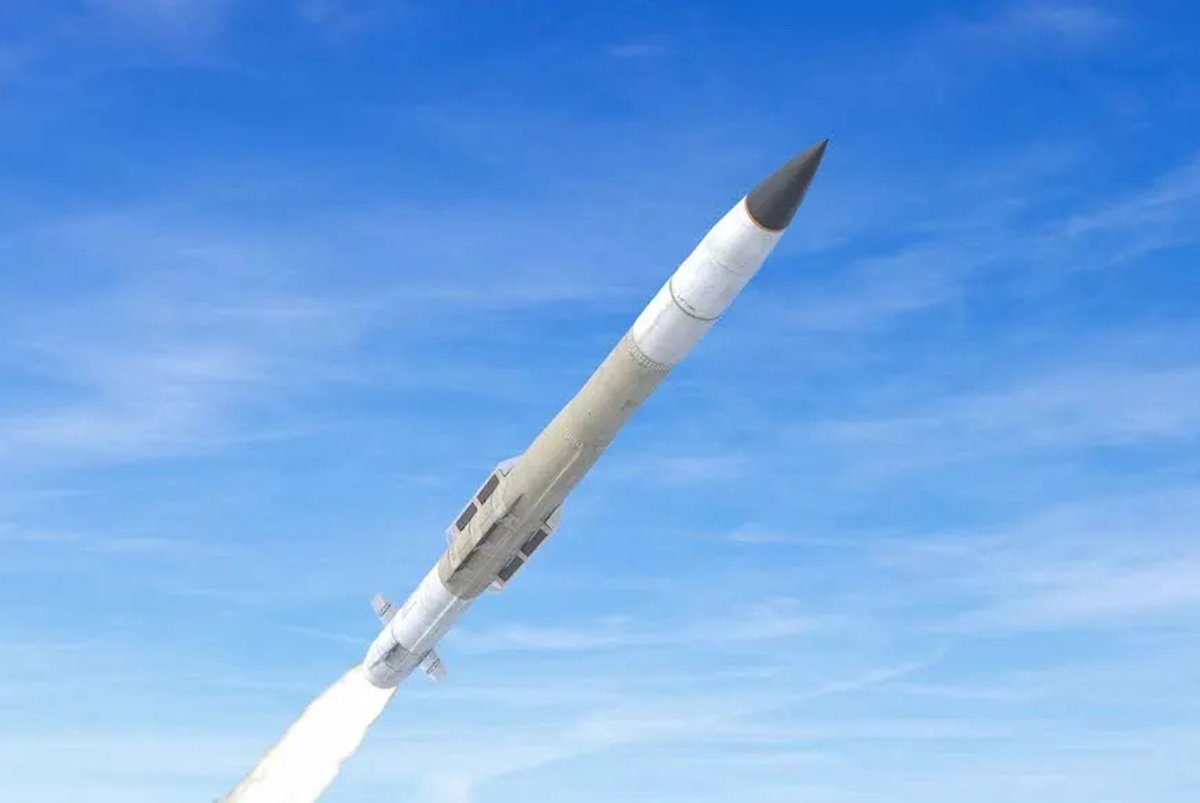
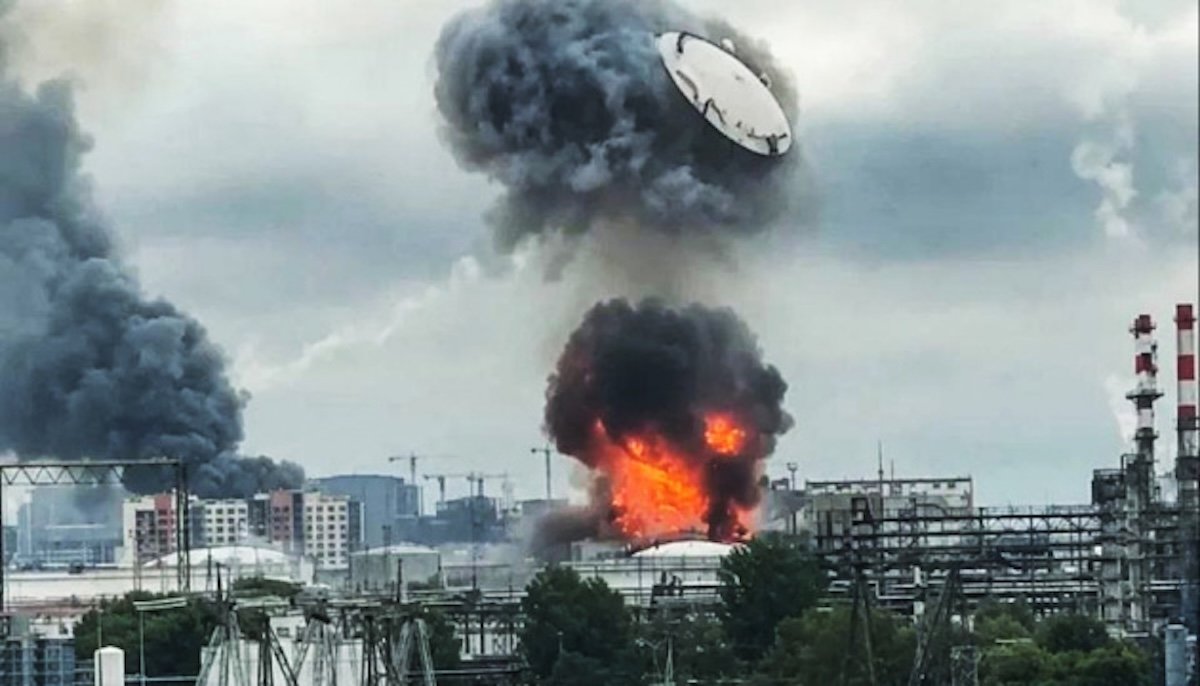
The consequences are tragic: civilian death rates in Ukrainian cities are rising, and Ukraine's air defenses are depleted due to a shortage of Patriot interceptors. Russia's missile and drone campaigns against energy infrastructure have been substantial, even as its ground forces lose territory.
A trilateral summit in Shenzhen?
Reports from the Wall Street Journal suggest a possible trilateral summit between Putin, Trump, and Xi Jinping on the sidelines of the APEC meeting in Shenzhen in November. Such a meeting would formalize a gangster pact: Russia and China hold sway over Iran, while Trump can pressure Ukraine. The implications for Taiwan and North Korea are alarming, and Japanese officials are already wary of potential betrayals.
This is a dangerous moment. The new U.S. Congress will not convene until January, giving Trump a lame-duck window to pursue personal projects. The hope is that a decisive Republican defeat in the midterms will embolden more members to resist his agenda. But as Trump's open embrace of Putin shows, the pretense is over—this is a betrayal of Ukraine, Europe, and the rules-based order that has underpinned Indo-Pacific stability.
For Asia, the stakes are clear: a Trump-Putin-Xi axis could reshape the region's security landscape, from the South China Sea to the Korean Peninsula. The coming months will test whether allies can navigate this new reality without succumbing to the gangster's logic.