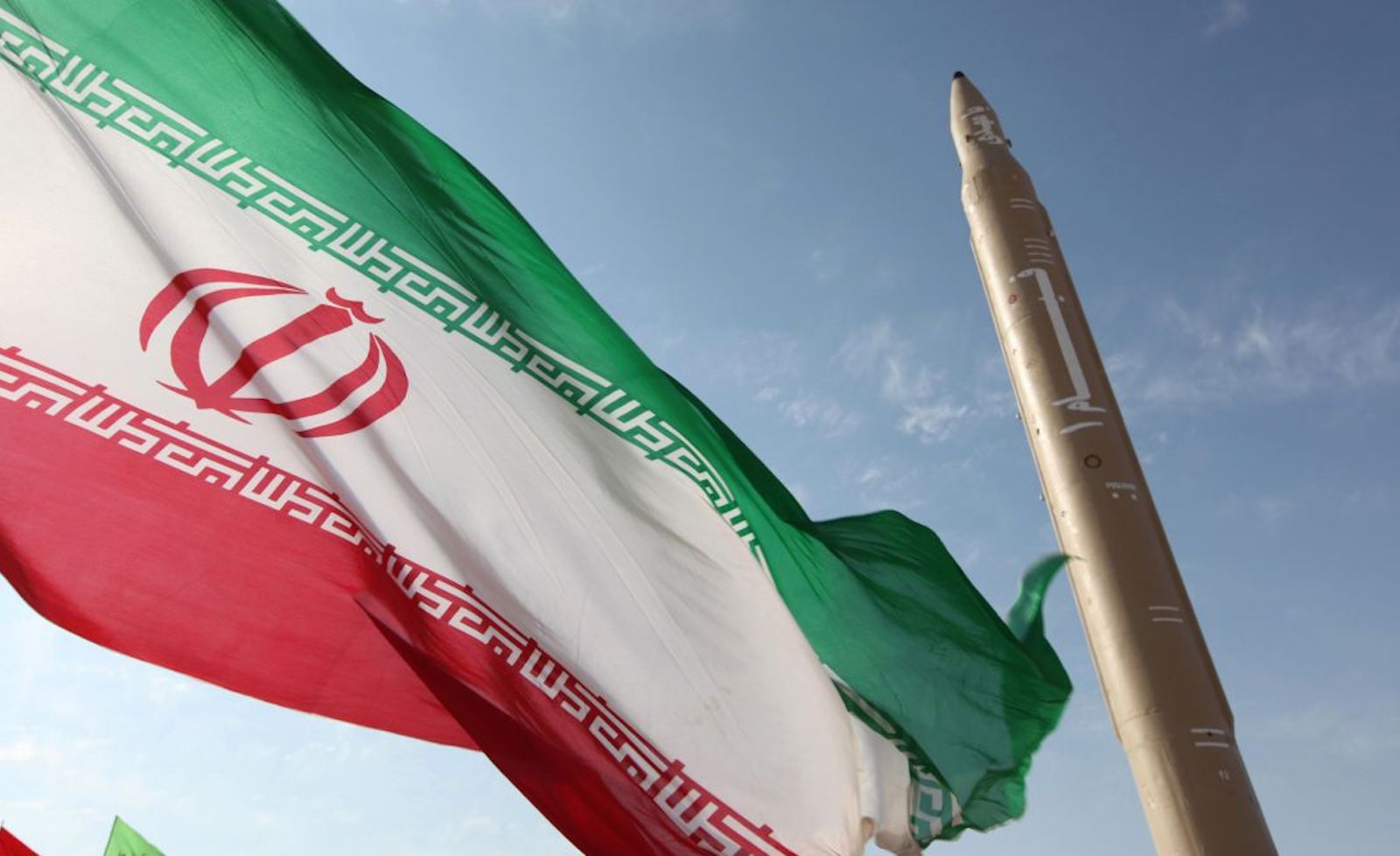
At the Group of Seven summit in France, US President Donald Trump significantly downplayed the urgency of seizing Iran's highly enriched uranium, a stated objective of the US-Israeli military campaign that began in February. Speaking on Tuesday, Trump said there was “no rush” to retrieve the material from nuclear sites bombed by the US in June 2025, adding that the effort was more about “psychological” satisfaction than strategic necessity.
“Frankly, to go get it—we’re going to go get it—but to go get it is a big deal, because they say only China and us have the equipment,” Trump said. “You could make the case, ‘Why do you even bother?’ because it’s not very valuable, you know. It’s probably half a million dollars worth, it’s not very valuable stuff.”
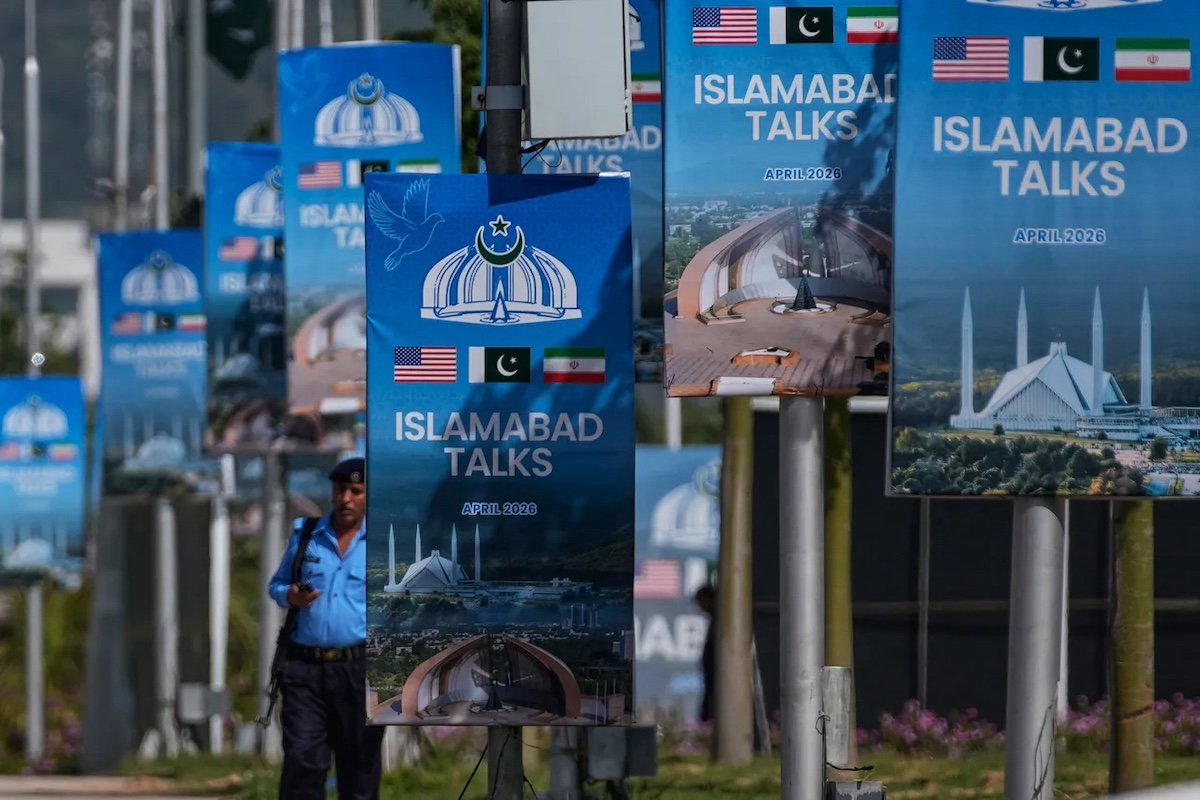
The remarks came a day after the US and Iran announced a memorandum of understanding (MOU) to end the war, which had seen Iran effectively close the Strait of Hormuz, sending global energy prices soaring and severely impacting Asian economies reliant on Middle Eastern oil. For nations like Japan, South Korea, and India, the disruption underscored the region's vulnerability to conflicts far from their shores.
From Hard Line to Ambivalence
Trump's comments mark a stark reversal from his administration's earlier posture. For months, the president and his top advisers insisted that extracting and confiscating Iran's highly enriched uranium was the primary objective of the unprovoked war launched with Israeli Prime Minister Benjamin Netanyahu. Yet at the G7, Trump suggested the material might not be worth the logistical trouble, noting that only the US and China possess the specialized equipment needed for the operation.
This inconsistency is not new. In late July, Trump declared on social media that Iran's uranium “will be unearthed by the United States… in close coordination and conjunction with the Islamic Republic of Iran, plus the International Atomic Energy Agency, and DESTROYED.” But in April, he told Reuters that US strikes had left the uranium “so far underground, I don’t care about that.” Two weeks later, he again insisted the US had “to take that nuclear dust,” before telling Fox News last month that destroying the uranium was not “necessary except from a public relations standpoint.”
Foreign policy analyst Logan McMillen interpreted Trump's latest comments as an admission that “the uranium was a false justification for war.” McMillen argued that “the real purpose was to punish Iran for the crime of being an independent economic power that refused to participate in America’s petro economy.”
The MOU includes a requirement that Iran limit enrichment to levels that “could never be used by the military,” according to Trump. However, White House officials told The Washington Post that details of Iran's nuclear program will be subject to negotiations over the next two months. This leaves open the possibility that the nuclear issue, which was a major sticking point before the MOU, may be addressed separately from the ceasefire.
Trump brushed off concerns that the deal secured no guarantees beyond those already in place under the 2015 Joint Comprehensive Plan of Action (JCPOA), which he exited during his first term. “Iran will only be able to enrich uranium for nonmilitary purposes. Forever,” Trump said on Monday. Critics note that Iran had consistently maintained its nuclear program was peaceful before the US and Israel began their campaign.
For Asian capitals, the shifting US stance carries significant implications. The war's disruption of energy flows through the Strait of Hormuz hit economies from Tokyo to New Delhi hard, prompting discussions about energy diversification and strategic autonomy. Trump's apparent devaluation of the uranium objective may also affect perceptions of US reliability in the region, especially as Washington seeks to maintain its role as a security guarantor against China's rise.
As the US and Iran enter negotiations over the nuclear program's future, the question remains whether Trump's ambivalence signals a genuine shift in priorities or merely tactical maneuvering. For now, the president's own words have cast doubt on the very rationale for the conflict that roiled global markets and tested alliances across the Indo-Pacific.