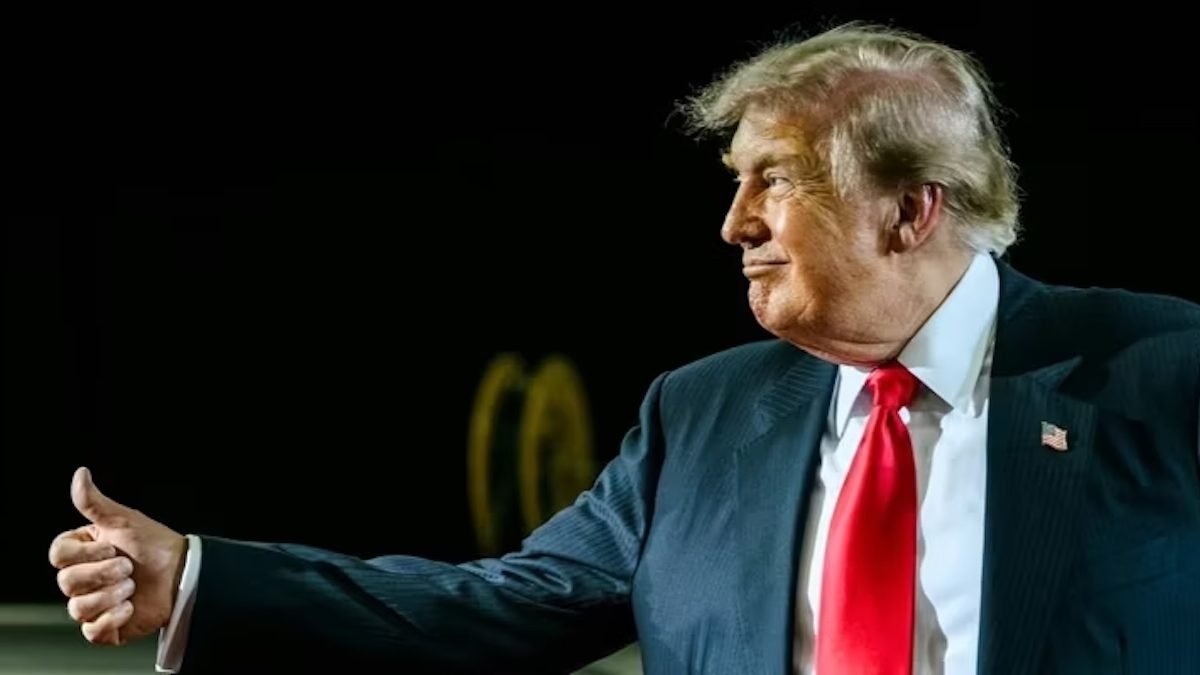
President Donald Trump has again rattled global markets and diplomatic circles by vowing to declare the Strait of Hormuz a territory of the United States. Speaking to a crowd in Long Island on Friday, Trump said that once Iran is defeated, he would formally annex the strategic waterway, through which roughly a fifth of the world's oil passes.
The announcement follows months of heightened tensions in the region, with Iran restricting ship traffic through the strait in response to what it calls an illegal US-Israeli war. The restrictions have driven up fuel prices worldwide, hitting Asian importers such as Japan, South Korea, and India particularly hard.
Economic fallout and domestic criticism
Trump's remarks came just two days after the latest inflation figures showed rising consumer costs, which critics attribute to his administration's handling of the conflict. "Trump's catastrophic mismanagement of our economy," said one expert, as gasoline prices in the US have surged past $4 a gallon.
Trump acknowledged the pain at the pump but defended the war, saying, "For you to pay a tiny little bit more for your gasoline, just remember, you're doing it so that a very evil country cannot have a nuclear weapon." He added, "I'll never apologize. I did the right thing."
Critics were quick to mock the president's latest threat. Representative Ted Lieu (D-Calif.) quipped on X, "Awesome! And the Easter Bunny is real." Progressive commentator Kyle Kulinski called for impeachment, saying Trump is "a completely unhinged lunatic" and "a sadistic violent menace to the world."
Ryan Costello, policy director at the National Iranian American Council, noted the irony of the claim, pointing out that "most of the US bases near the strait have been essentially abandoned due to danger from Iranian missiles and drones."
Ceasefire on the brink
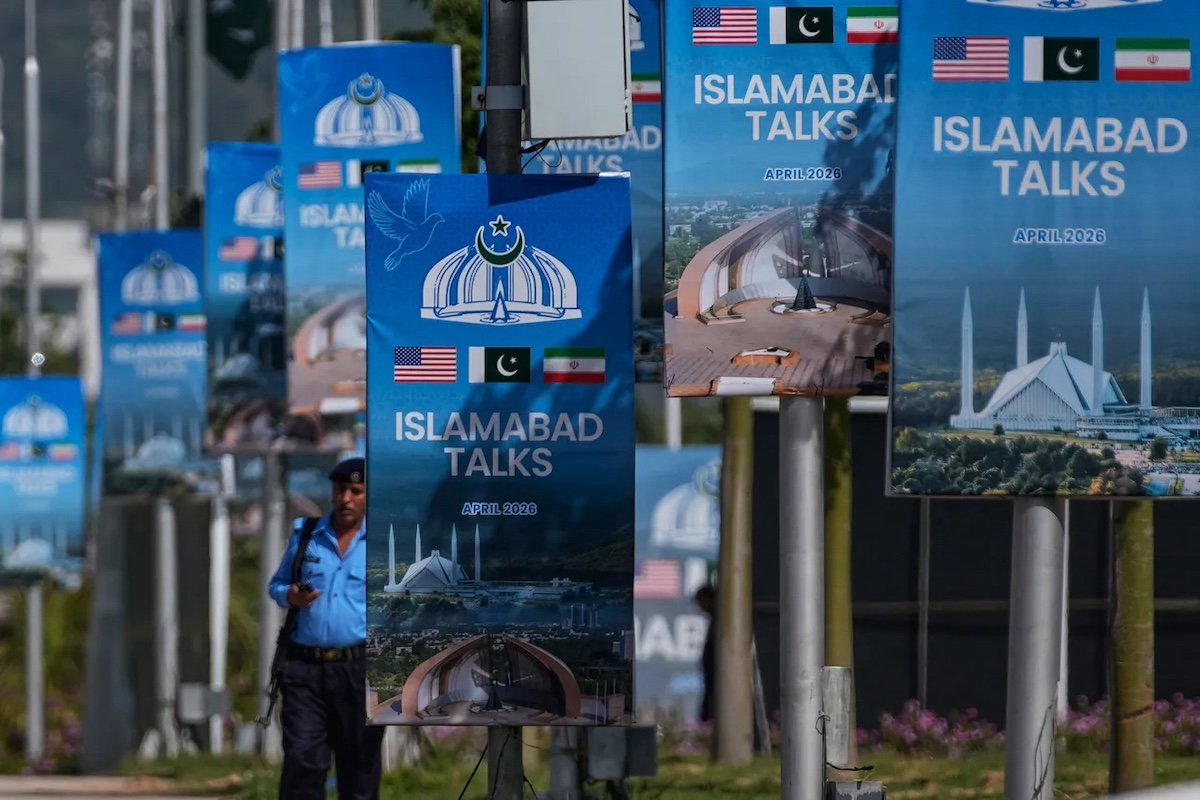
The threat comes just days before a monthlong ceasefire between the US and Iran is set to expire on Monday. A senior White House official told Politico that the situation is "static," with no indication of an extension. "What matters is if Iran wants to come to the table and agree to a deal," the official said. "Right now, they haven't done that."
The Associated Press reported that the Trump administration is broadening its outreach to countries that might pressure Tehran. Ali Vaez, Iran project director at the International Crisis Group, said, "Everyone is just urging both sides to stop this reckless game of chicken."
For Asian nations, the stakes are immense. Japan and South Korea rely heavily on Gulf oil, and any disruption in the strait would send energy prices soaring across the region. India, too, has been diversifying its energy sources but remains vulnerable to supply shocks. The threat of annexation, even if rhetorical, adds another layer of uncertainty to an already volatile geopolitical landscape.
Trump's second term has been marked by a series of aggressive foreign policy moves, including the invasion of Venezuela in January and threats against Canada, Cuba, Colombia, Greenland, and Mexico. He has also floated seizing the Panama Canal and has overseen deadly operations against alleged drug smugglers.
Analysts warn that declaring the strait a US territory would be a flagrant violation of international law and would likely be met with widespread condemnation. The move would also risk direct confrontation with Iran, which has vowed to keep the waterway open under its own terms.
As the ceasefire deadline looms, the international community watches anxiously. The prospect of a prolonged conflict in the Gulf, with its ripple effects across Asia, is a scenario that no regional power desires. Yet Trump's latest rhetoric suggests he is prepared to escalate further, leaving allies and adversaries alike to brace for what comes next.