The global energy crisis, already strained by two major conflicts, is set to intensify as Ukraine's drone campaign cripples Russian refining and Iran's attacks continue to target Middle Eastern oil production and export routes. The scale and nature of the destruction, coupled with the expanding number of fronts and actors involved, point to a prolonged period of vulnerability for energy-importing nations across Asia and beyond.
Throughout modern history, wars have targeted energy infrastructure—oil wells, refineries, pipelines, and export terminals. But today's weaponry, including autonomous drones and unmanned naval vessels, is overwhelming existing defense systems. The result is that critical oil shipping lanes, not just the Strait of Hormuz and the Bab el-Mandeb, face the risk of extended closures.
The world has managed to cope in the early months of the Iran conflict, but those initial buffers are running out. Oil shipments that had already passed through Hormuz before its closure reached global ports in March and April 2026. Governments released strategic reserves, and some nations adopted conservation measures like remote work. Yet refining capacity—the facilities that turn crude into diesel and gasoline—has been severely hit. Goldman Sachs estimates the global refining deficit, including bombed Russian refineries and products trapped behind closed straits, at 6.5 million barrels per day. As more infrastructure is destroyed, preventing a deeper crisis becomes harder, and winter looms.
Middle East: A widening war on energy
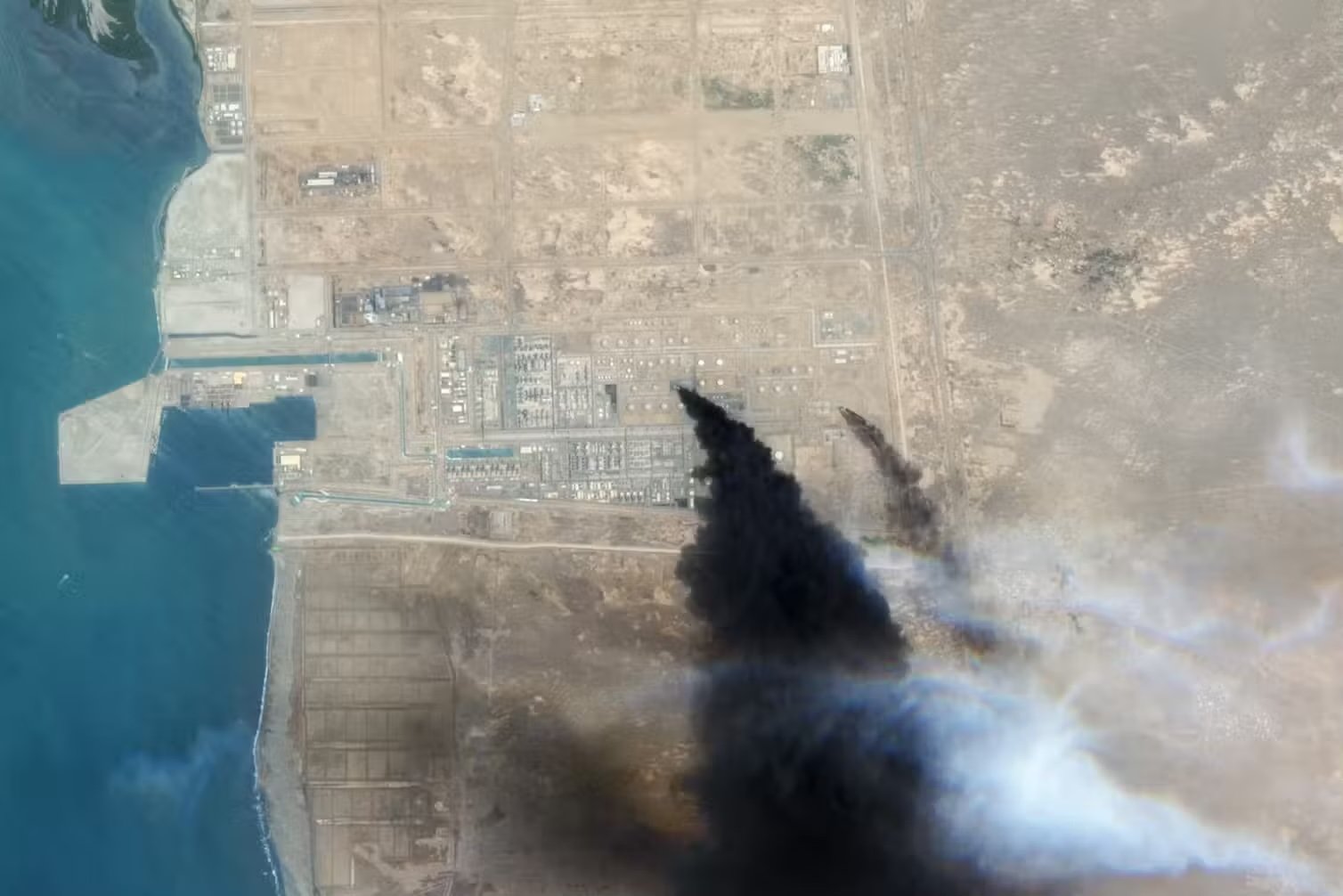
Iran and its proxies, using aerial drones, have inflicted widespread and lasting damage on Middle Eastern energy infrastructure. J.P. Morgan reports that over 1.2 million barrels per day of refining capacity in the region is offline due to physical damage. On July 27, drones launched from southern Iraq by Iranian-aligned militants struck crude processing towers at Saudi Arabia's Abqaiq facility, a repeat of the 2019 attack that crippled Saudi production. Saudi exports are also hampered by attacks on shipping through Hormuz and Bab el-Mandeb. A US-Saudi military response against Iraqi militias has raised fears of a broader war.
On July 30, drone attacks on an Egyptian Mediterranean port signaled that even that route is vulnerable. Saudi Arabia has relied on the Mediterranean for exports, sending 5 million barrels per day through the Suez Canal and the SUMED pipeline.
Ukraine's long-range drone campaign
Ukraine's mastery of long-range drones has led to successful strikes on over 11 major Russian refining complexes, knocking out an estimated 30% to 60% of Russia's fuel-making capacity. The attacks aim to limit Moscow's military fuel supplies and export revenues. Online images show Russian drivers queuing for hours for fuel, and Russia has banned diesel exports—a product that once supplied half of Europe's diesel.
Ripple effects: From cooking gas to hunger
The closure of the Strait of Hormuz has cut off about 20% of the world's liquefied petroleum gas (LPG), a cooking fuel widely used in India and China. As early as April 2026, Indians struggled to find and afford cooking gas, forcing some to skip meals. India is now looking to increase LPG imports from the US. Meanwhile, Ukrainian seaborne drones in the Black Sea have blocked most crude exports from Kazakhstan, which relies on that route to reach global markets. Yemen's Houthi separatists, who previously closed the southern Red Sea, are reportedly ready to do so again. These tactics are spreading: Colombian separatists used drones to attack oil infrastructure in late July.
China's crude imports have dropped by about 3.6 million barrels per day, roughly a third of prewar levels. Chinese refiners have even begun reselling crude on global markets to offset reduced domestic activity. This may reflect China tapping strategic reserves, an economic slowdown, or its massive build-out of renewables. Chinese petrochemical firms are also buying US ethane to replace Middle Eastern supplies.
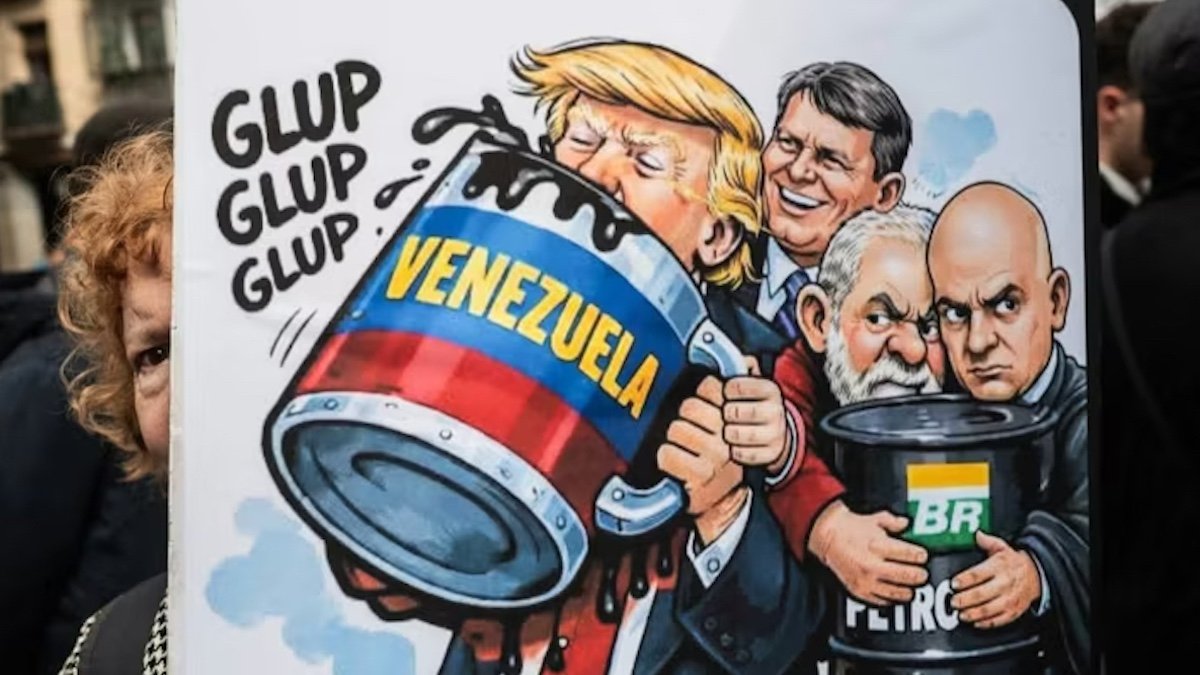
On the supply side, Brazil's Petrobras has boosted production by 14% over 2025, offering a glimmer of hope. But with winter approaching and conflicts showing no sign of abating, the world's energy security remains precarious. The impact on Southeast Asian economies is already being felt, and the strain on India's manufacturing ambitions could deepen. As the US missile stockpile crisis highlights, military responses have limits. The role of private firms in Russia's war effort adds another layer of complexity.