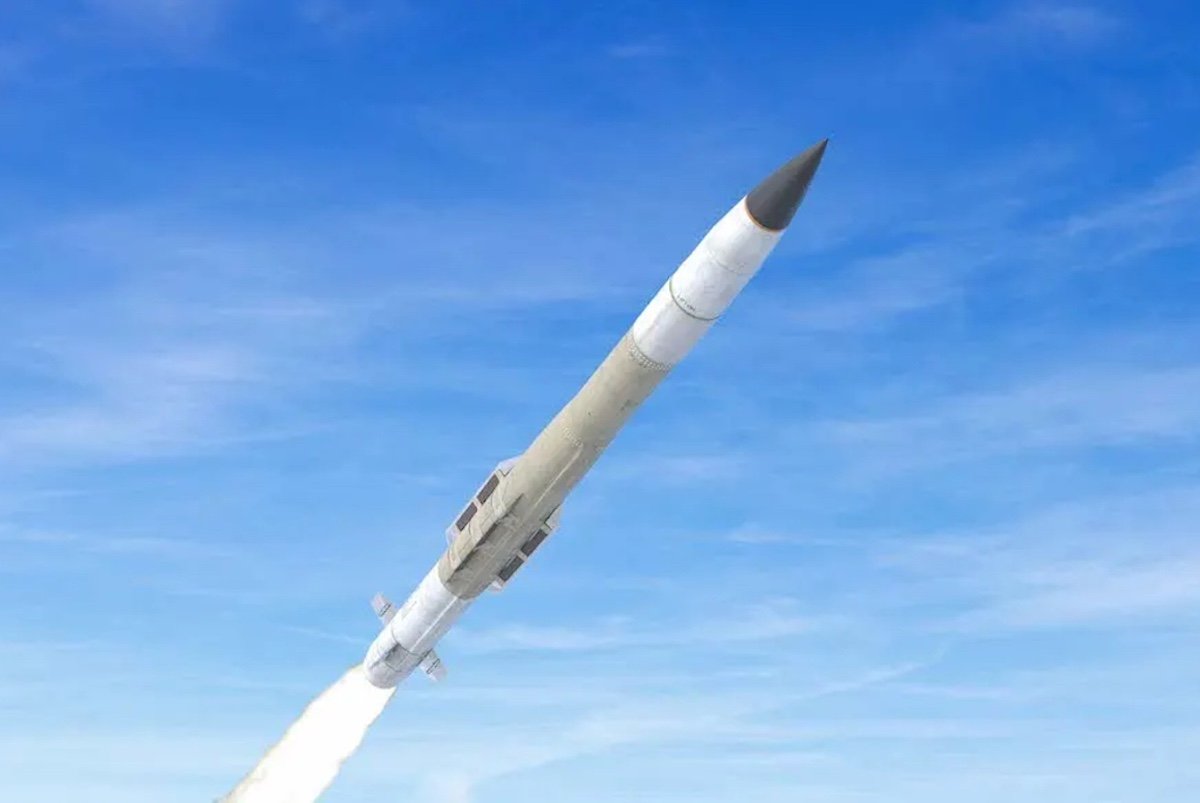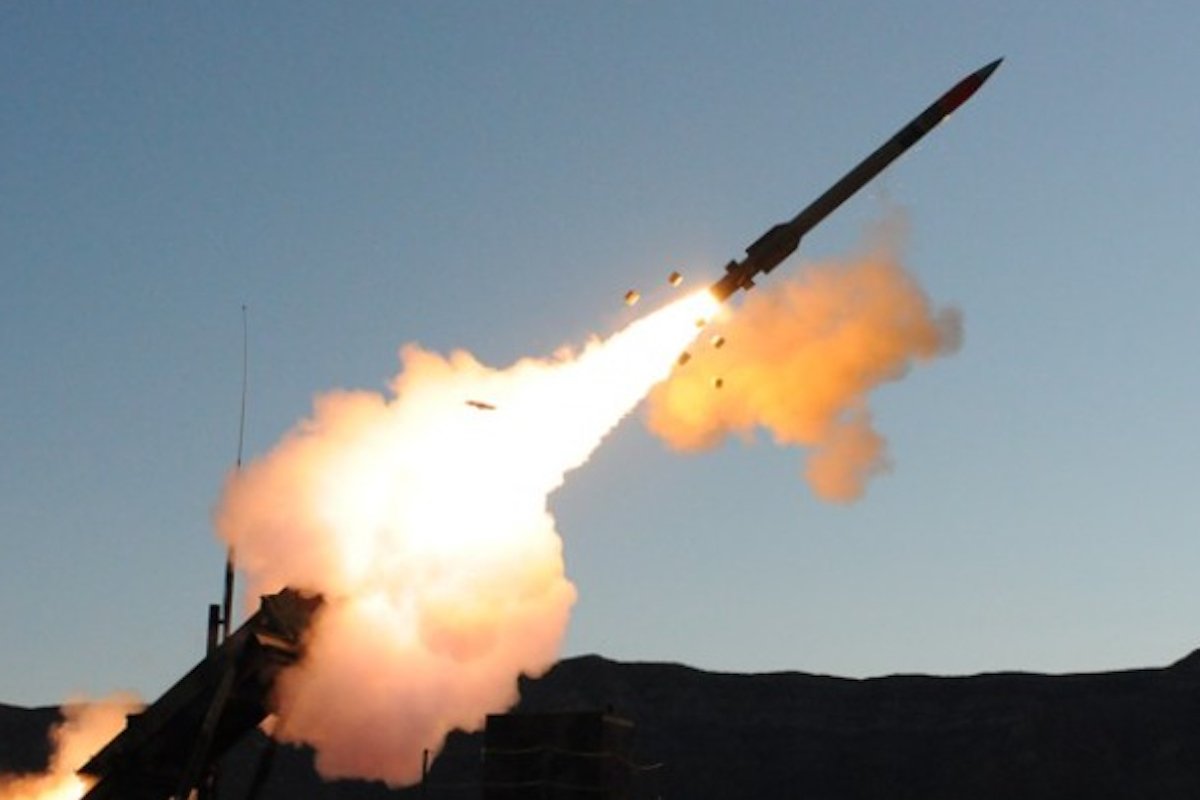
The United States is pouring billions into expanding production of interceptor missiles, but the effort may be too slow to prevent a dangerous gap in its air defense capabilities. The Pentagon has signed framework agreements worth over $3 billion with Lockheed Martin and Northrop Grumman to boost output of Patriot and THAAD interceptors, aiming to triple manufacturing capacity for PAC-3 missiles and quadruple THAAD production. The goal is to eventually procure nearly 14,000 interceptors, but analysts warn that industrial bottlenecks and long lead times could undermine the plan.
Stockpiles stretched thin
Years of high operational tempo in Ukraine and the Middle East have severely depleted US inventories. Estimates suggest the US military has used up to two-thirds of its Patriot interceptors and roughly half of its THAAD reserves. In Ukraine, interception rates against Russian ballistic missiles have fallen sharply, from around 85% in 2023 to just 10.6% in early 2026, according to a report by the Center for Strategic and International Studies (CSIS). Russian salvos have increased by 700% in the same period, overwhelming Ukrainian defenses.
The situation is similarly dire in the Middle East. The Wall Street Journal reported that President Donald Trump paused a planned air campaign against Iran partly due to dwindling interceptor inventories, with estimates showing over 1,500 Patriot interceptors expended and fewer than 1,000 remaining in US reserves. General Dan Caine, Chairman of the Joint Chiefs of Staff, has warned that the shortage increases operational risk, though Trump publicly denied any munitions deficits.
Industrial challenges
To accelerate production, the Pentagon is bypassing prime contractors and working directly with component suppliers. It is establishing a secondary source for PAC-3 solid rocket motors, expanding ignition safety device production, and increasing output of THAAD mid-body shells and rail car assemblies. Officials hope that sustained demand signals and funding for facility modernization will strengthen supply chains and correct cost imbalances—such as firing $4 million interceptors against $50,000 drones.
Yet the real test is whether industry can deliver fast enough. The US Army recently awarded Raytheon a $441.6 million contract to produce new PAC-2 GEM-T interceptors, the first domestic order in over three decades. But these older missiles are less effective against modern ballistic threats. The Kyiv Independent reported that PAC-2s sent to Ukraine are less capable than PAC-3s, and even PAC-3s cannot intercept Russia's Oreshnik intermediate-range ballistic missile, according to a senior Ukrainian intelligence official.
Pacific implications
The interceptor shortage also has implications for the Indo-Pacific. As the US focuses on replenishing stocks, its ability to support allies like Japan, South Korea, and Taiwan may be constrained. The Arctic's role in missile defense is growing, but the US may lack the interceptors to back up its commitments. Meanwhile, North Korea's missile exports to Russia are reshaping regional security dynamics, further straining US resources.
In Israel, a leaked memo from General Alexus Grynkewich, EUCOM Commander, warns that the US may be unable to defend Israel against Iranian missile attacks due to interceptor shortages. Israeli air defenses have seen effectiveness drop from nearly 90% to 65% in a single day, according to TRT World, as Iran deploys faster, high-precision missiles that cut early warning times from ten minutes to six.
The Pentagon's push to expand production is a step in the right direction, but without faster timelines and greater investment, the US may find itself in a losing race to replenish its missile arsenals. As one analyst put it, "The gap between demand and supply is widening, and the consequences are being felt from Kyiv to Tel Aviv to the Pacific."