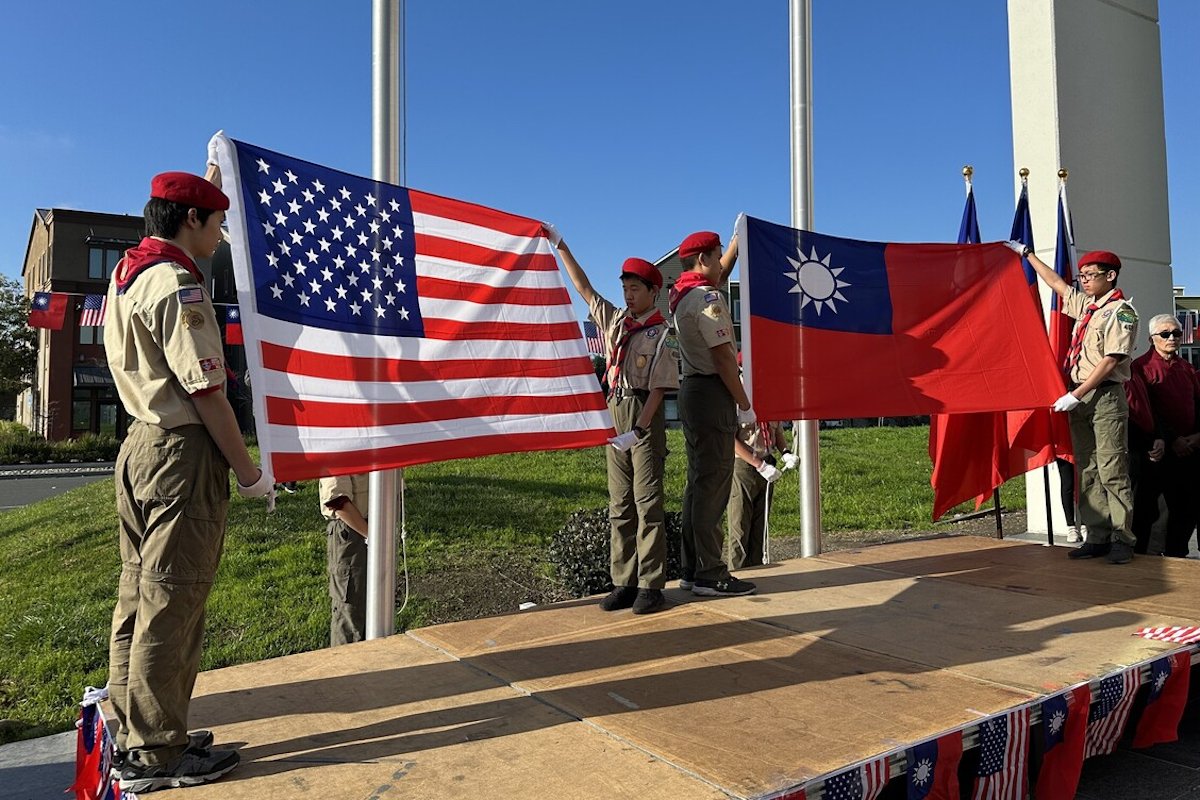
Nearly five decades after the United States enacted the Taiwan Relations Act (TRA) in 1979, Washington is increasingly falling short of its own legal obligations to the self-governing island, according to defense analysts and regional experts. The TRA, passed after the US severed formal diplomatic ties with Taipei and recognized Beijing, established a framework for unofficial relations while requiring America to help Taiwan maintain a credible self-defense capability.
Two key provisions of the TRA are now under scrutiny. The first obligates the US to provide arms “necessary to enable Taiwan to maintain a sufficient self-defense capability.” The second demands that Washington maintain “the capacity of the United States to resist any resort to force or other forms of coercion that would jeopardize the security, or the social or economic system, of the people on Taiwan.”
On the surface, the US appears to comply: it continues to sell weapons to Taiwan and maintains substantial military forces across the Indo-Pacific. But a closer look reveals a widening gap between legal requirements and reality.
China's Military Edge Grows
When the TRA was drafted, China’s ability to project power across the Taiwan Strait was minimal. During the Third Taiwan Strait Crisis in 1995–1996, then-President Jiang Zemin’s military advisors reportedly told him China could not effectively invade or blockade Taiwan or drive off US Navy warships. At that time, Taiwan’s navy and air force held qualitative advantages over their Chinese counterparts, and US forces could dominate any engagement.
Today, the balance has shifted dramatically. China now holds quantitative advantages in major weapons systems and has achieved near-parity with the US in several critical military technologies. Beijing’s forces can strike US bases in Asia and target moving American warships with advanced anti-ship missiles. China’s defense industrial base can outproduce the US in ships, aircraft, and missiles, giving it a decisive edge in any protracted conflict.
As the US Department of Defense has noted in annual reports since 2004, “the cross-Strait balance of power is steadily shifting in China’s favor.” That trend has only accelerated over the past two decades.
Insufficient Self-Defense Capability
The TRA’s requirement for a “sufficient” self-defense capability is now in serious doubt. Many experts estimate that Taiwan could resist a determined Chinese invasion for only a couple of months without US military intervention. A Chinese blockade would likely force Taiwan’s surrender without robust external assistance, given the island’s near-total dependence on imported energy.
Chinese warships outnumber Taiwan’s by a factor of four, and Beijing has six times Taipei’s inventory of combat aircraft. Both gaps continue to widen. Since 2000, the US has supplied Taiwan with 12 maritime patrol aircraft and is working to deliver 66 new F-16 fighters, but these deliveries have barely affected the massive imbalance.
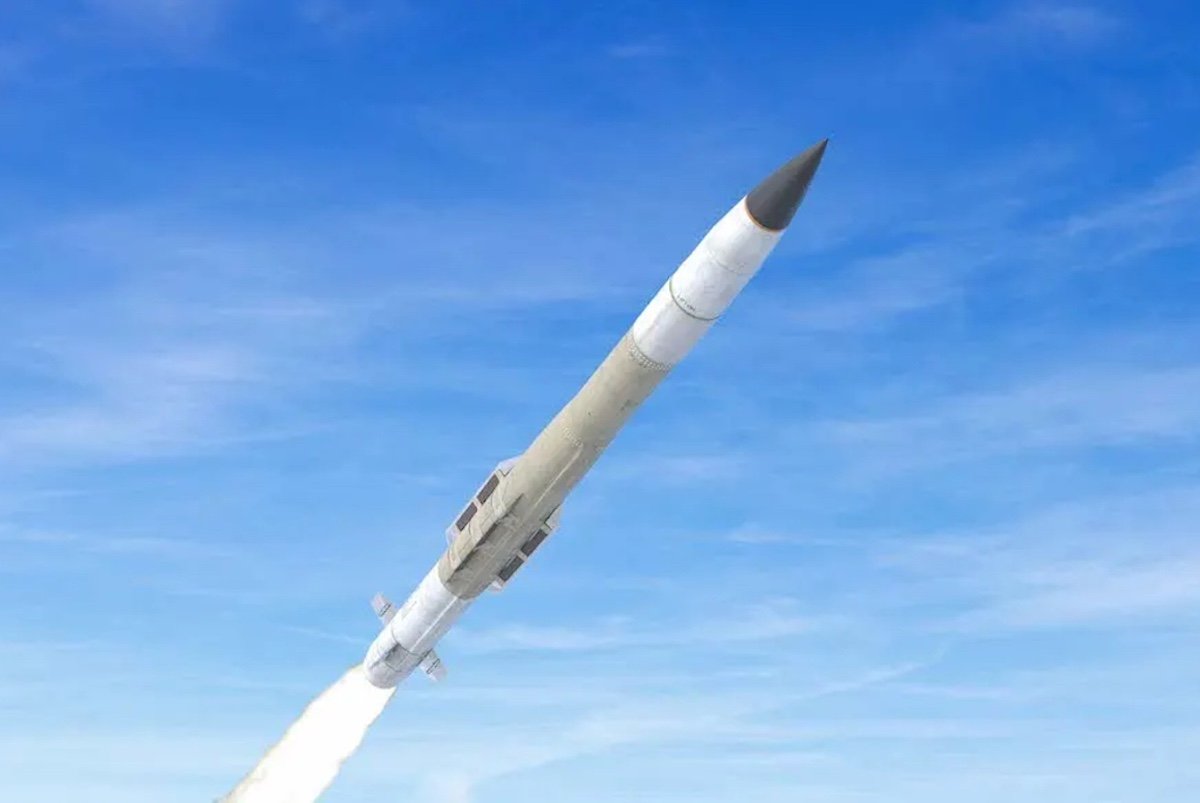
A major threat is China’s missile arsenal. There is no US plan to help Taiwan build a comprehensive missile defense system like Israel’s Iron Dome. Against a potential onslaught of thousands of Chinese missiles, the US has provided only a few hundred Patriot interceptors.
Delays and Politicization
US arms sales to Taiwan now face additional obstacles. Acting US Secretary of the Navy Hung Cao announced on May 22 that weapons deliveries to Taiwan are on “pause in order to make sure we have the munitions we need for Epic Fury,” the ongoing US war against Iran. This diversion of stockpiles highlights how other conflicts are straining Washington’s ability to meet its TRA commitments.
Meanwhile, former President Donald Trump has described arms sales to Taiwan as a “very good negotiation chip” with China. After meeting Chinese Communist Party General Secretary Xi Jinping earlier this month, Trump said of a $14 billion arms package already approved by Congress: “I may do it. I may not do it.” Such remarks signal a willingness to trade Taiwan’s security for concessions from Beijing, a stance that directly contradicts the TRA’s intent.
The TRA does allow the US to delay or cancel an arms sale if doing so would improve Taiwan’s ability to defend itself—for example, if Beijing renounces the use of force to compel unification. But analysts argue that using arms sales as a bargaining chip without such guarantees undermines the law’s core purpose.
As the military balance continues to tilt in China’s favor, the US faces a stark choice: either significantly increase its support for Taiwan’s defense or acknowledge that it is no longer abiding by its own Taiwan Relations Act. For now, the gap between legal obligation and actual policy grows wider by the year.